Germany

Obatzter

.

.

Here  is a new take on ” Obatzter “, ” Illustrierter Camembert “, ” Verruehrter ” :
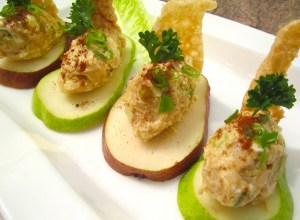
” Spicy Brie On Pear ”

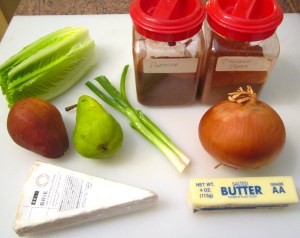
Obatzter  (Obatzda)  is a traditional spread which is usually served as a snack, most famously at the  Munich  Octoberfest. It has it’s origin in the south of  Germany,  where it was a way to use leftover bit’s of cheese, which were given a new live after being mashed with butter, finely  diced  onions, beer and seasoning. The version below uses chicharones and pears instead of the more traditional bread as accompaniment.
( It’s still not exactly diet-fare  🙂
.

Obatzter

Obatzter

.

.

Ingredient’s  :

Pears,   thick slices, core removed
Brie,   substitute with any soft cheese you might prefer
Pork rinds,   (chicharones)
Butter,   softened
Onions,   finely diced
Beer,
Caraway,   ground
Paprika,
Cayenne pepper,

Method :

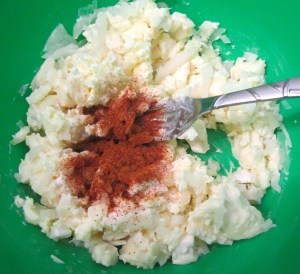
With a dinner fork, mash the cheese coarsely. Add the soft butter , beer and seasoning and mash all together until smooth. Fold in the diced onions and scallions.
Serving suggestion :  See pictures.

Bon Appetit!   Life is Good !
.
.
.
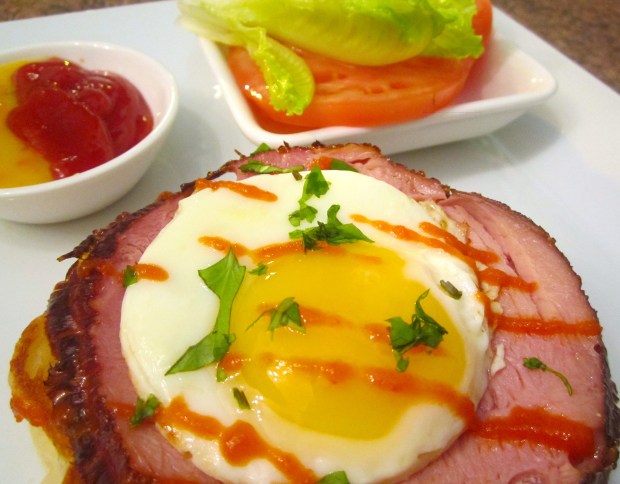
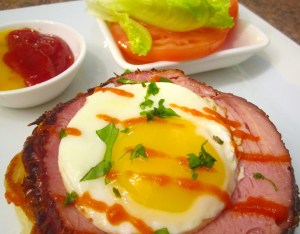
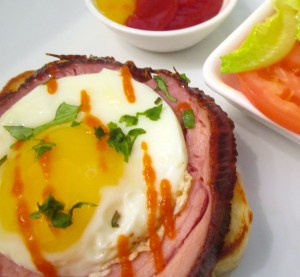
Breakfast Of Champions # 16 ” Strammer Max “


.
.

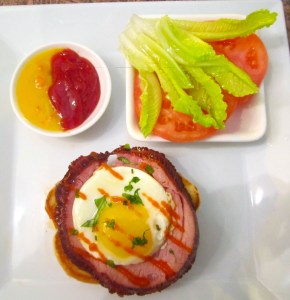
Back  in my youth, in Germany and Austria you were able to order this breakfast dish in any Hotel and in many  “Gaststaetten” , mostly for breakfast but also as a snack during any time of the day or evening. Of course at that time there was freshly ground pepper instead of the sriracha sauce, but other than that, strammer max has not changed in a hundred years. Obviously, it is as simple and good today as it was then  🙂
Toast a good bread of your choice until golden, spread with roasted garlic paste, top with sauted ham and fried egg (add sliced cheese between ham and egg if you prefer), drizzle some sriracha and sprinkle with fresh herbs. Accompany with a small salad and ketchup and scotch bonnet sauce.
.
5
.


.
.
Bon Appetit !   Life is good !
.
.
.

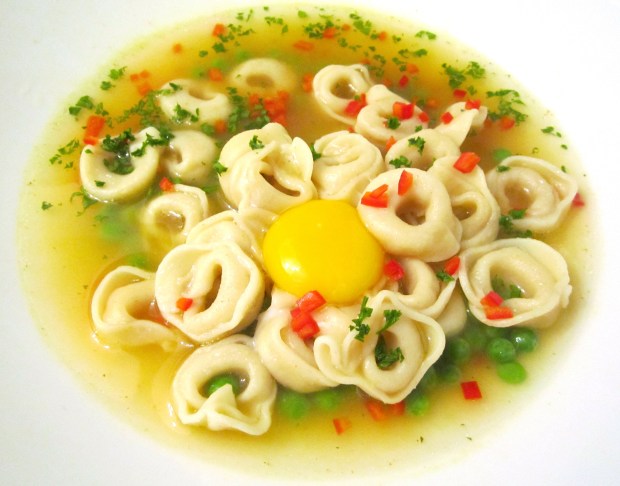
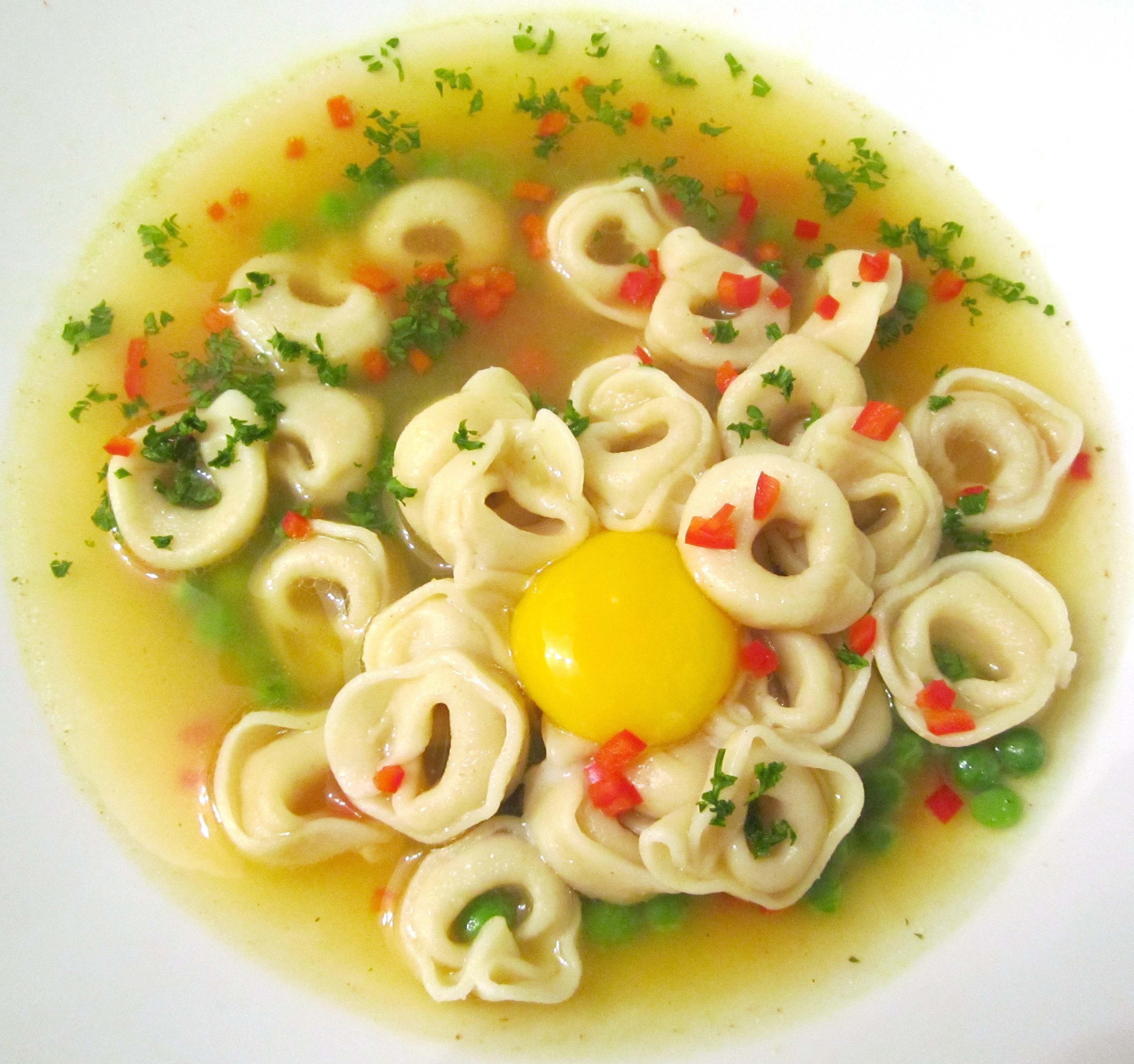
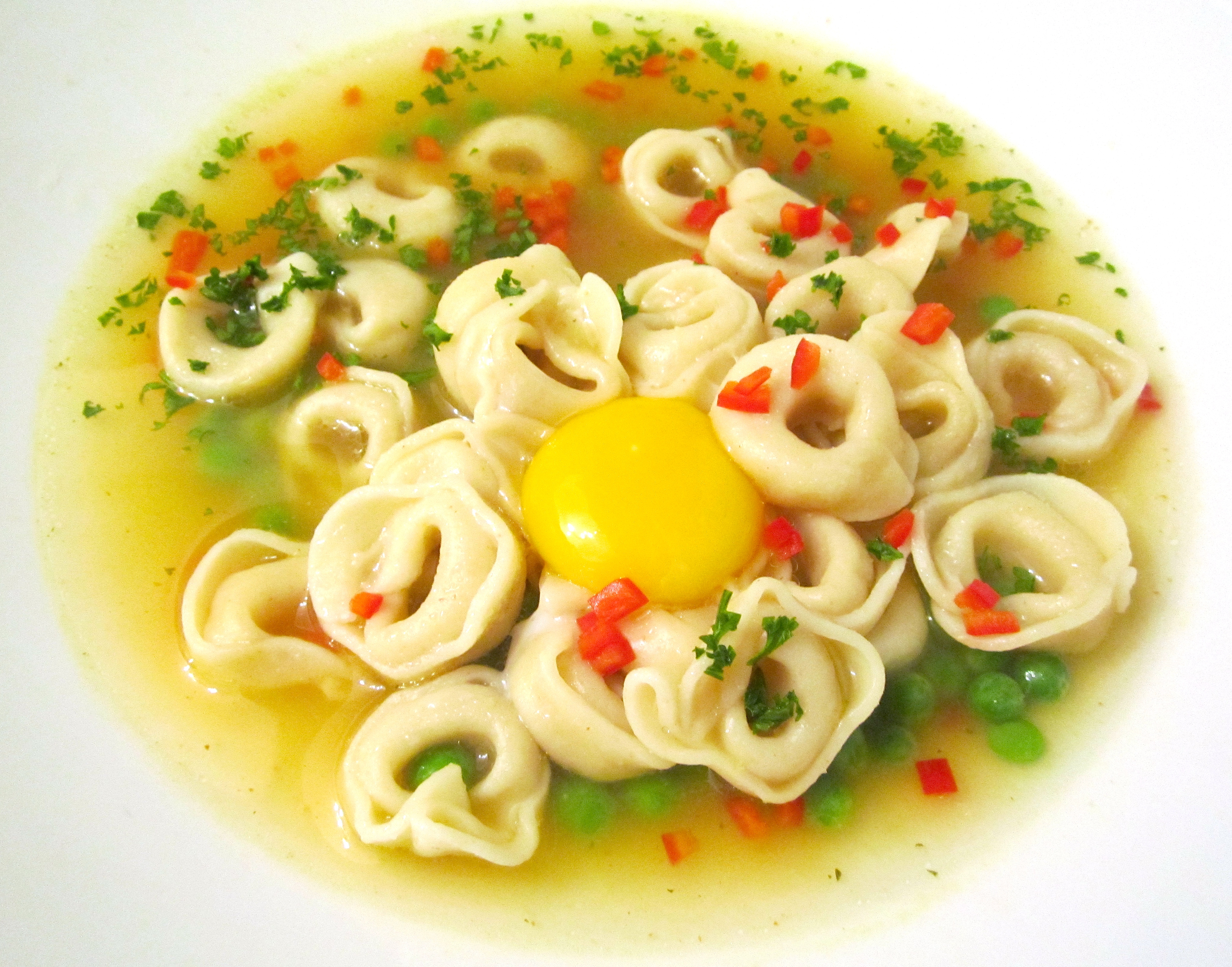
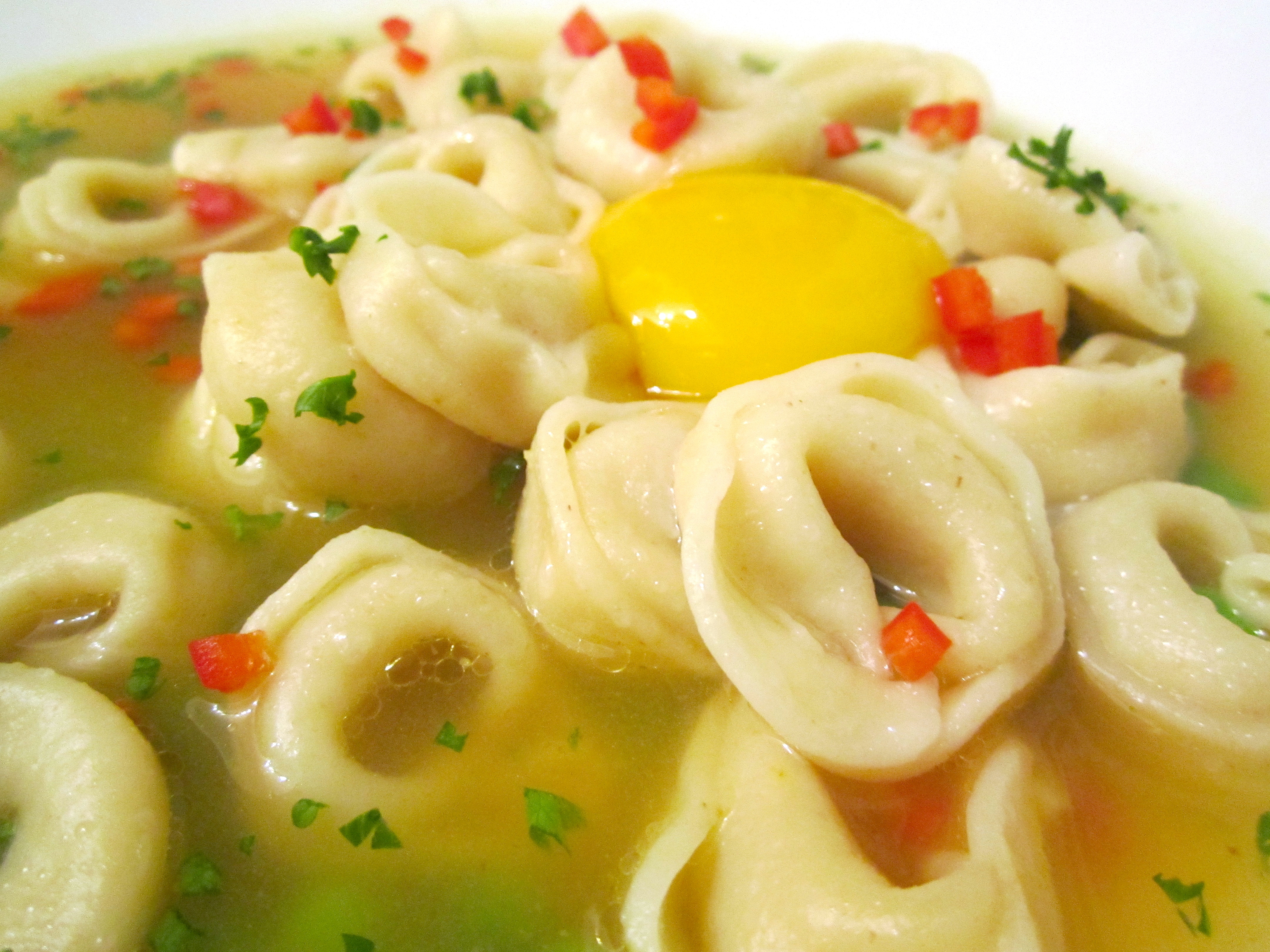
” Tortellini En Brodo ” (Shrimp Dumplings In Broth)

>
>
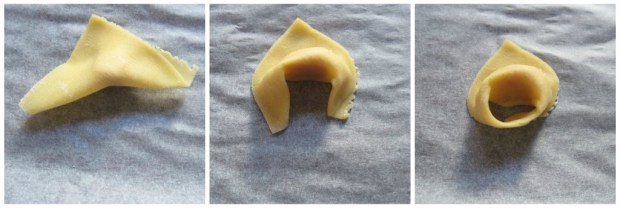
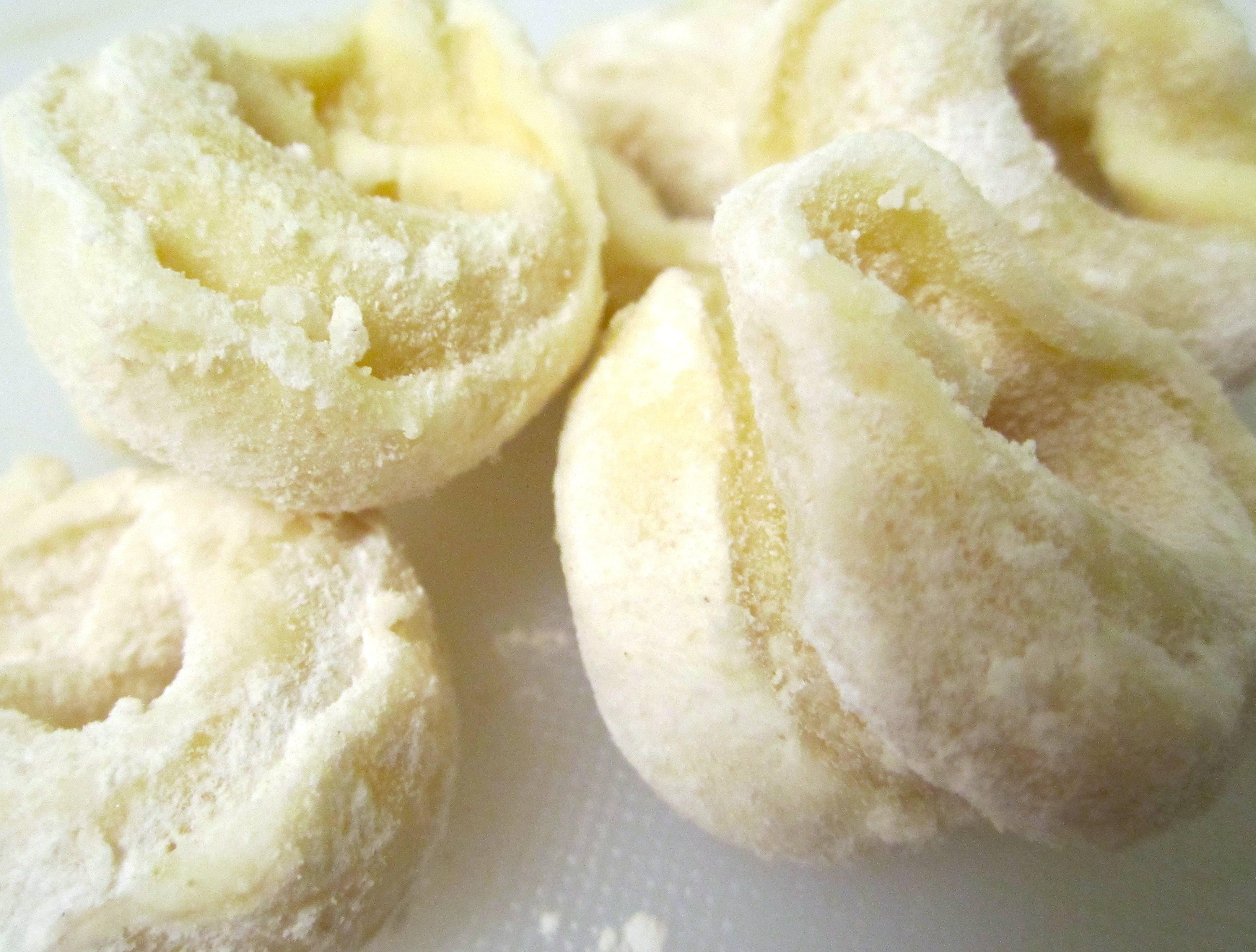
When  I was growing up in germany in the 5o’s, newly arrived immigrant workers who had started new restaurants featuring their own countries food, had opened up a whole new world of culinary delights to regular folk’s who could not afford to go to the more established restaurants. These restaurants were usually too expensive for the working class people. However, it was much more affordable to dine at one of the myriad of quickly sprouting ethnic restaurant’s, opened by families who had recently immigrated to Germany, which at the time was in dire need of workers to the fill hundreds of thousands open job’s during the “Wirtschaftswunder” years. I remember the first time I saw and had the opportunity to savor such exotic treats as pizza, gyros, cevapchichi, tortellini, shashlik, paella, baklava, gelato, etc, etc. It was a time of constant culinary adventure for our family. We tried to experience as many new dishes as possible and had a wonderful time exploring food we never before had heard of, much less seen or eaten. Like I said, there was a time (a few years after WWII ) when even pizza was new and exotic to us. One of my greatest favorites was “tortellini in brodo”. Here is my version of this great soup :
>


>

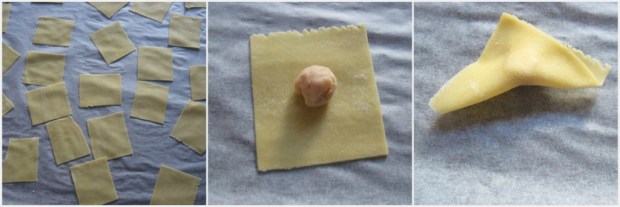
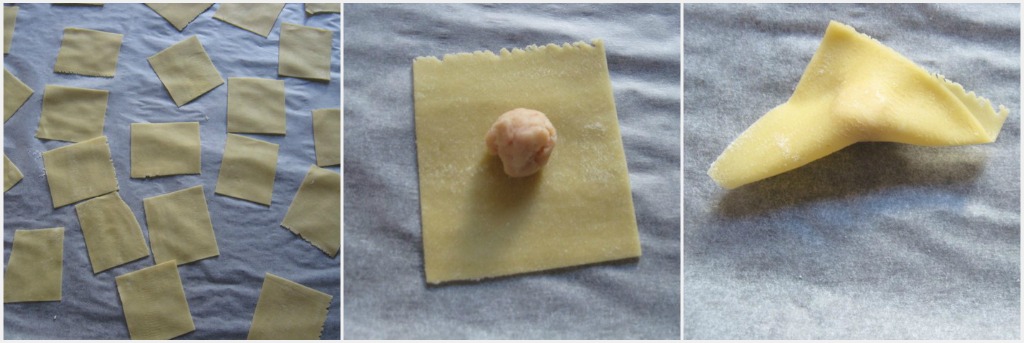
This Image Source: BrowsingRome

>

This Image Source: BrowsingRome

..
I have made these tortellini with frozen won ton wrappers instead of a regular pasta dough. The wontons wrappers cook much faster then regular pasta dough, so for the filling I used chopped cooked shrimp,  mixed them with egg white, white wine, salt and pepper .

Bon Appetito !   Life is Good !
.
.

>

>

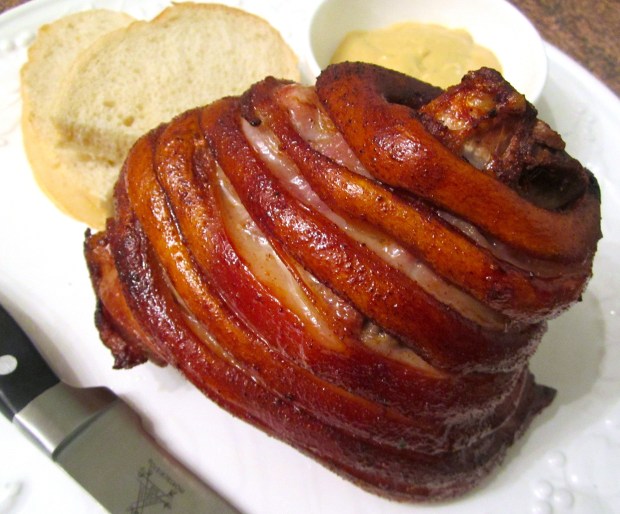
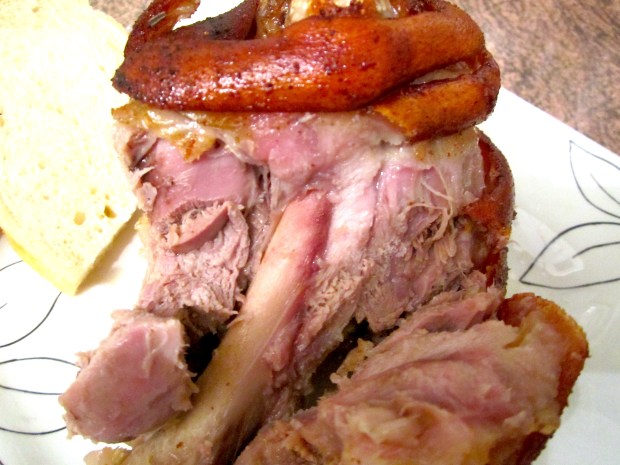
” Roasted Pork Knuckle ” ( Gebratene Schweins Haxe )

.
.
A few years back when Maria and I finally had a chance and the time to visit Germany
after being away for 14 years, our friend’s, the Henning’s and the Otto’s took us to lunch
into Stuttgart, to a restaurant named “Ochsen Willi”. This place has been a famous
fixture of this city for many decades, mainly because of it’s Schweine Haxen.
Here is a Picture of Maria attacking her small portion of haxe during that wonderful lunch :
.

.
Traditionally and ideally, this would be done on a spit roast, which I don’t have.
So I used the alternative method, slowly roasting the knuckle (or ham hog) in the oven.
I brined the meat in a brine of kosher salt, cayenne pepper, cider  and red wine
for two day’s. Then I removed it from the brine, padded the meat dry and seasoned
it with more cayenne and a good amount’s of garlic powder and onion powder.
I roasted the knuckle at 420 degrees for 30 minute, then turned the heat to 260 degrees
for 3 hours, after which I turned the heat up to 420 again for 30 minute.
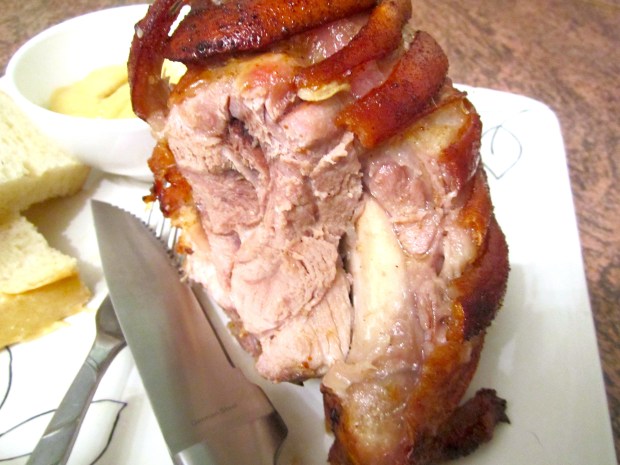
Usually you want a roast to rest for about 20 minutes before you cut into it,
but not this baby. I’d like to see anybody who can resist the temptation to just whack
into this hunk of porkness as soon as it comes out of the oven.
In Germany, we either have this as an elaborate mal with jus, red cabbage or
white cabbage (in the form of sauerkraut, kraut salat or bayrisch kraut) and
semmelknoedel (Braed Dumpling),  or a potato side dish such as puree, dumplings,
roasted.  Most times however, a simple rustic bread and a good mustard on the side
is all that’s needed to achieve culinary bliss  🙂

Bon Appetit !   Life is Good !
.

.


..
.


.
.

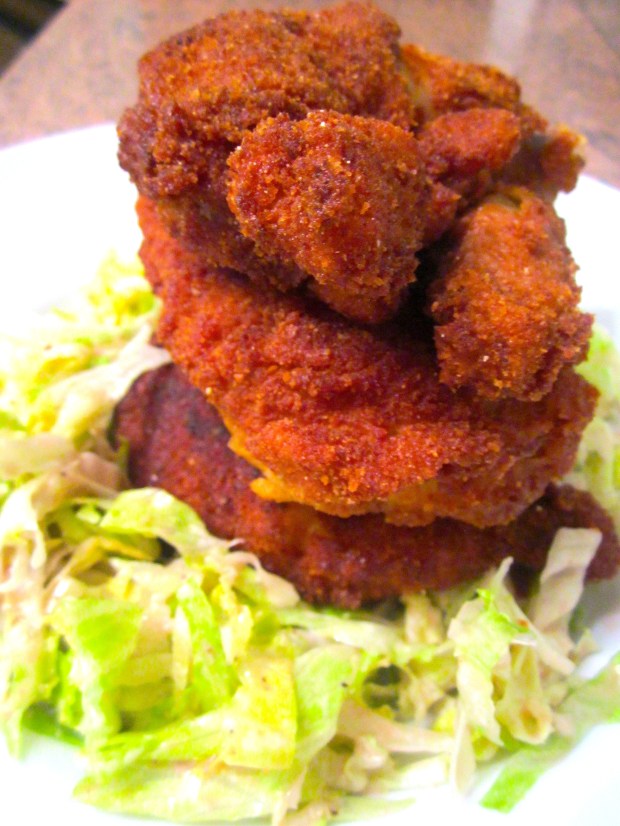
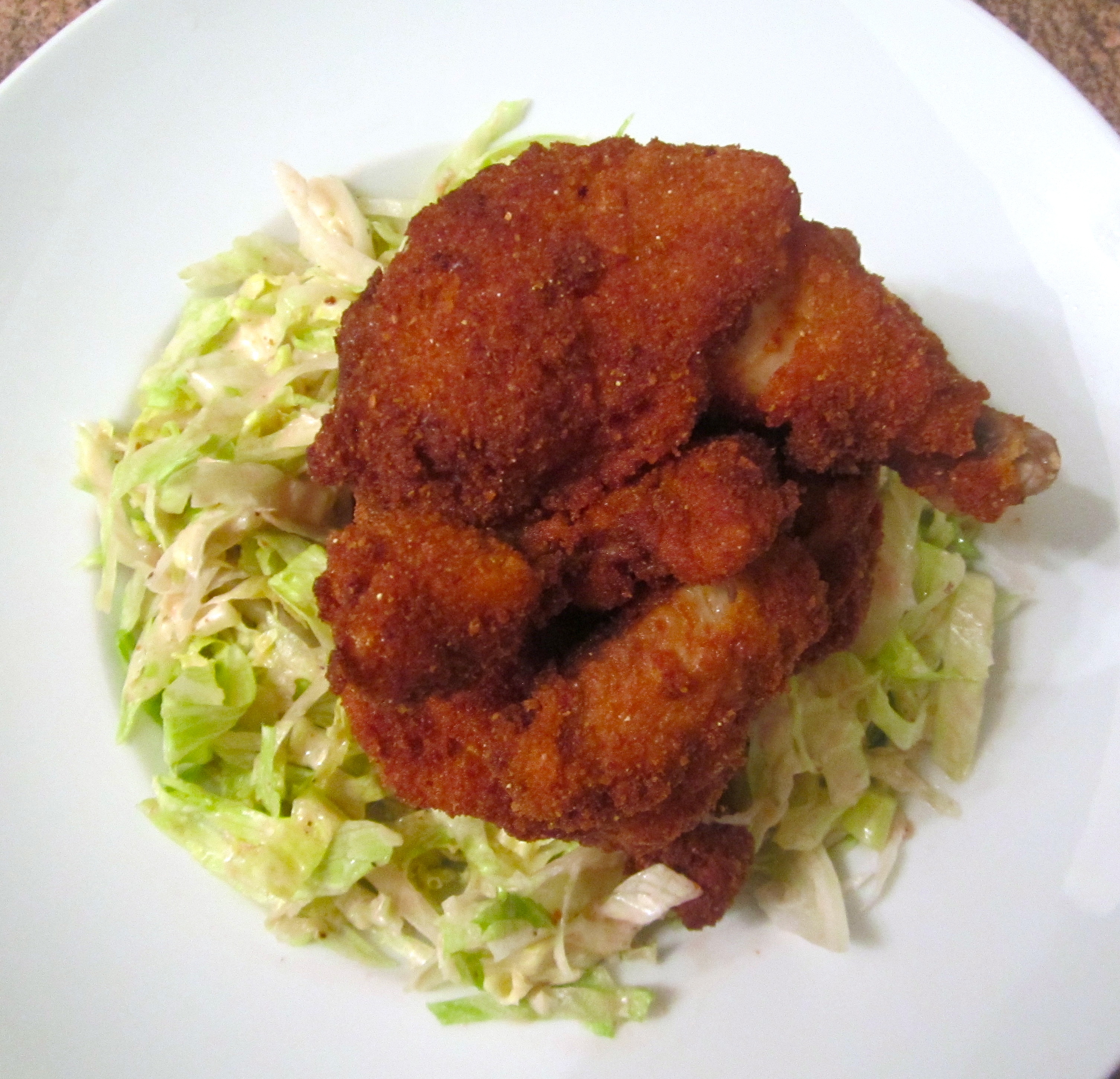
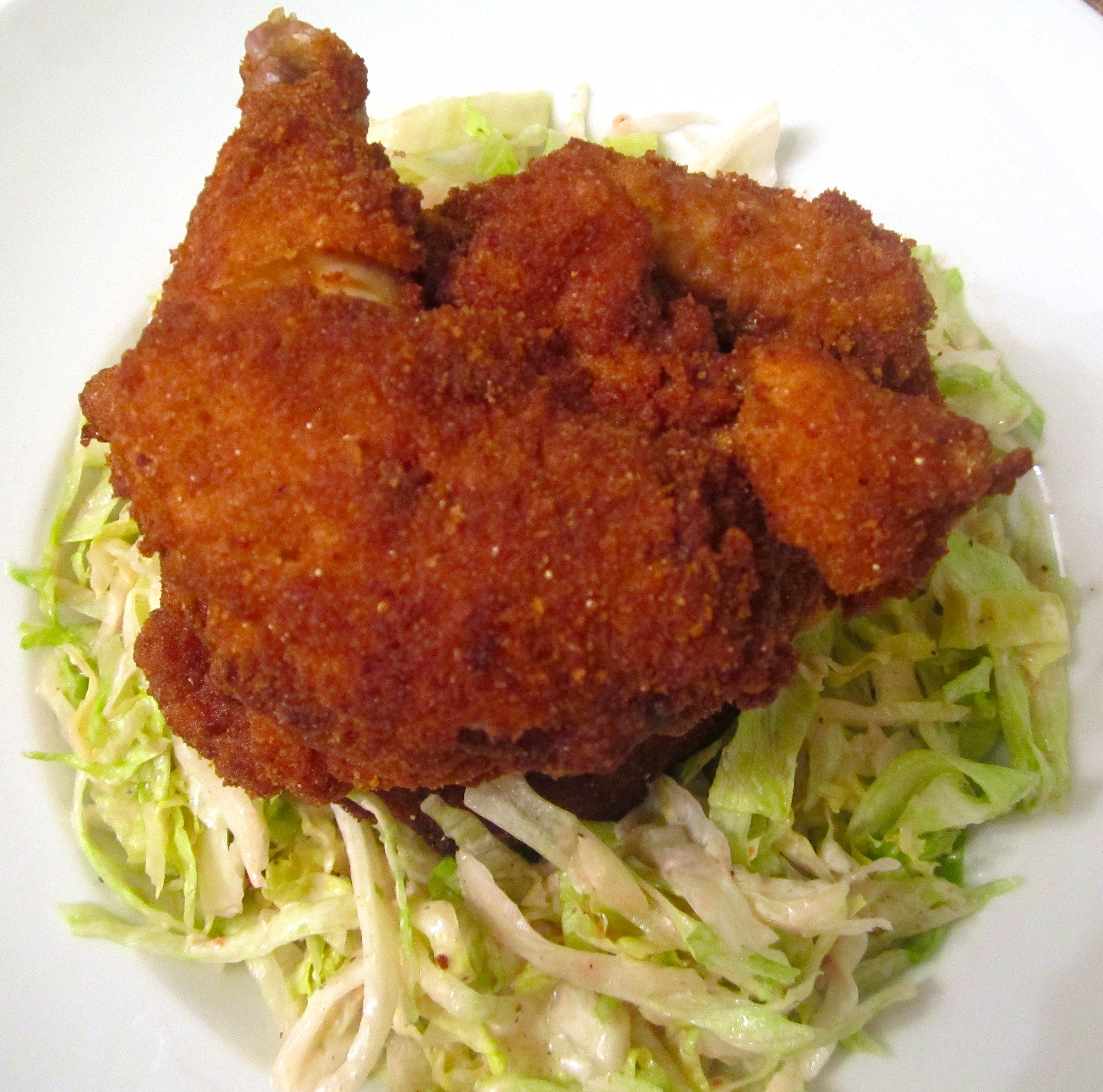
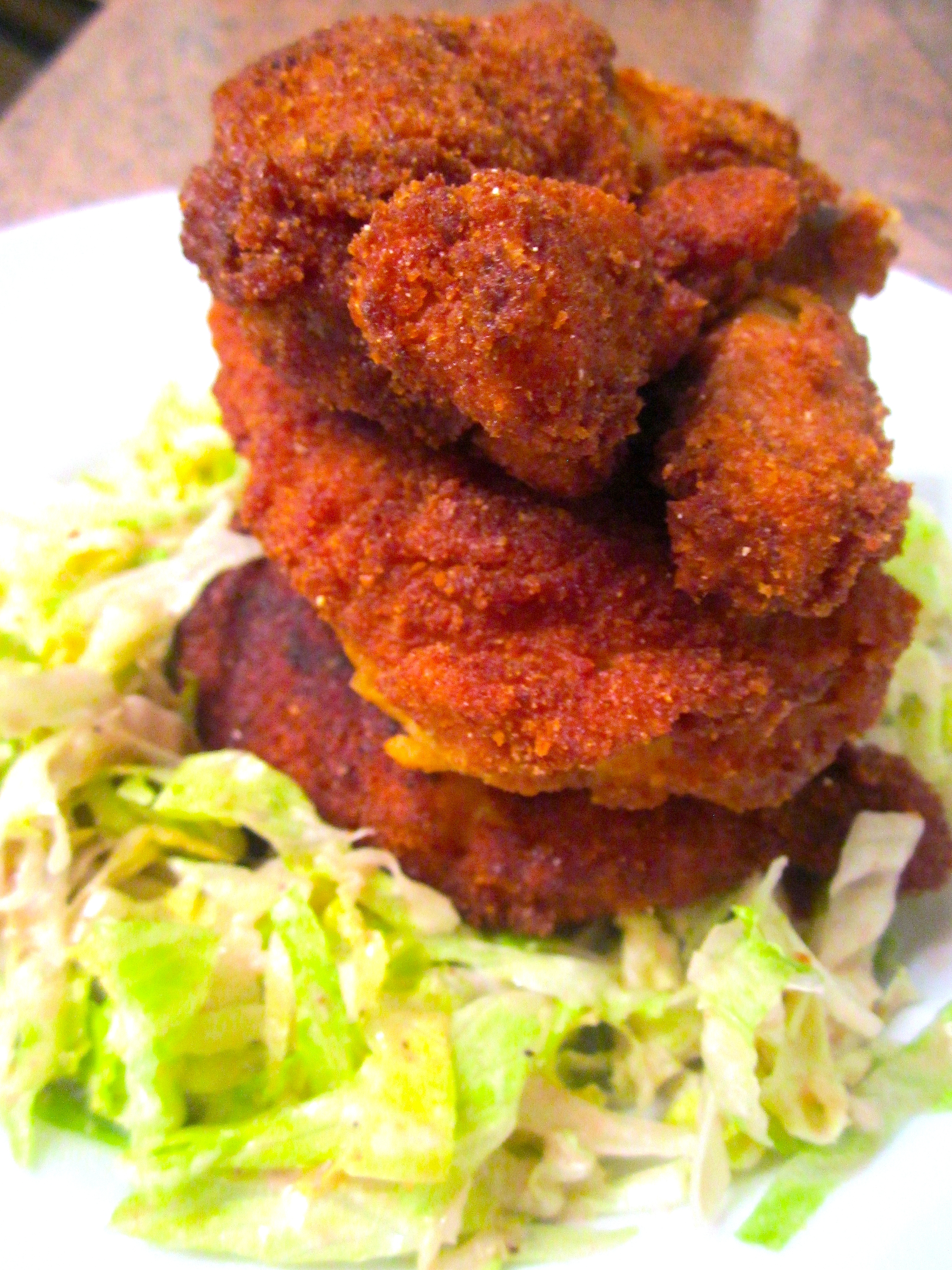
” Wiener Backhendl Im Nest “


.
.
Tonight’s
  dinner reminds me of my childhood in Germany,
when this was a very special treat when my parents took me
to a restaurant and I found wiener back hendl on the menu.
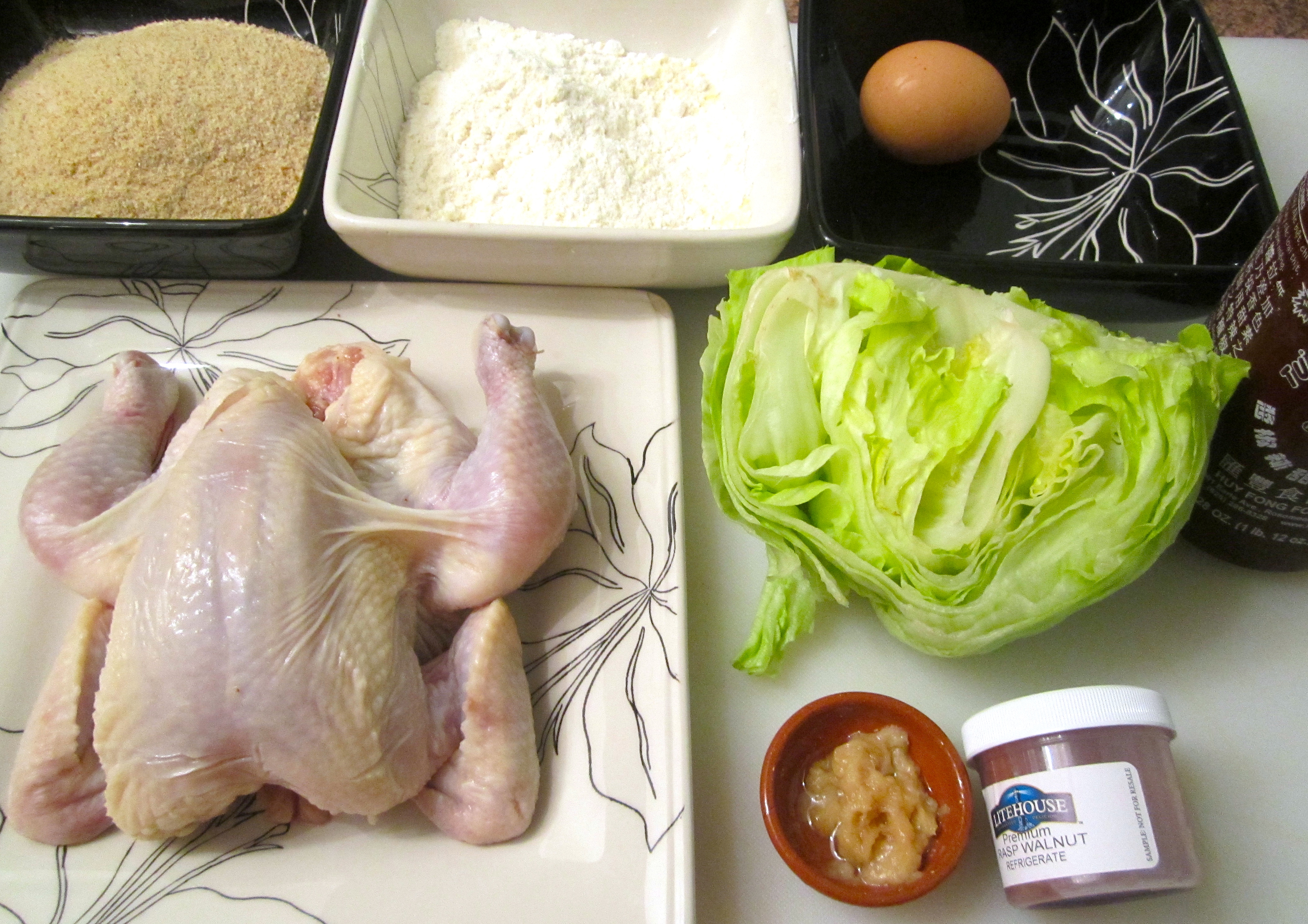
Tonight I used cornish hen instead of the more traditional chicken,
but otherwise, this is the real deal. A simple dish of breaded , fried,
bone in chicken  🙂
.

.
.


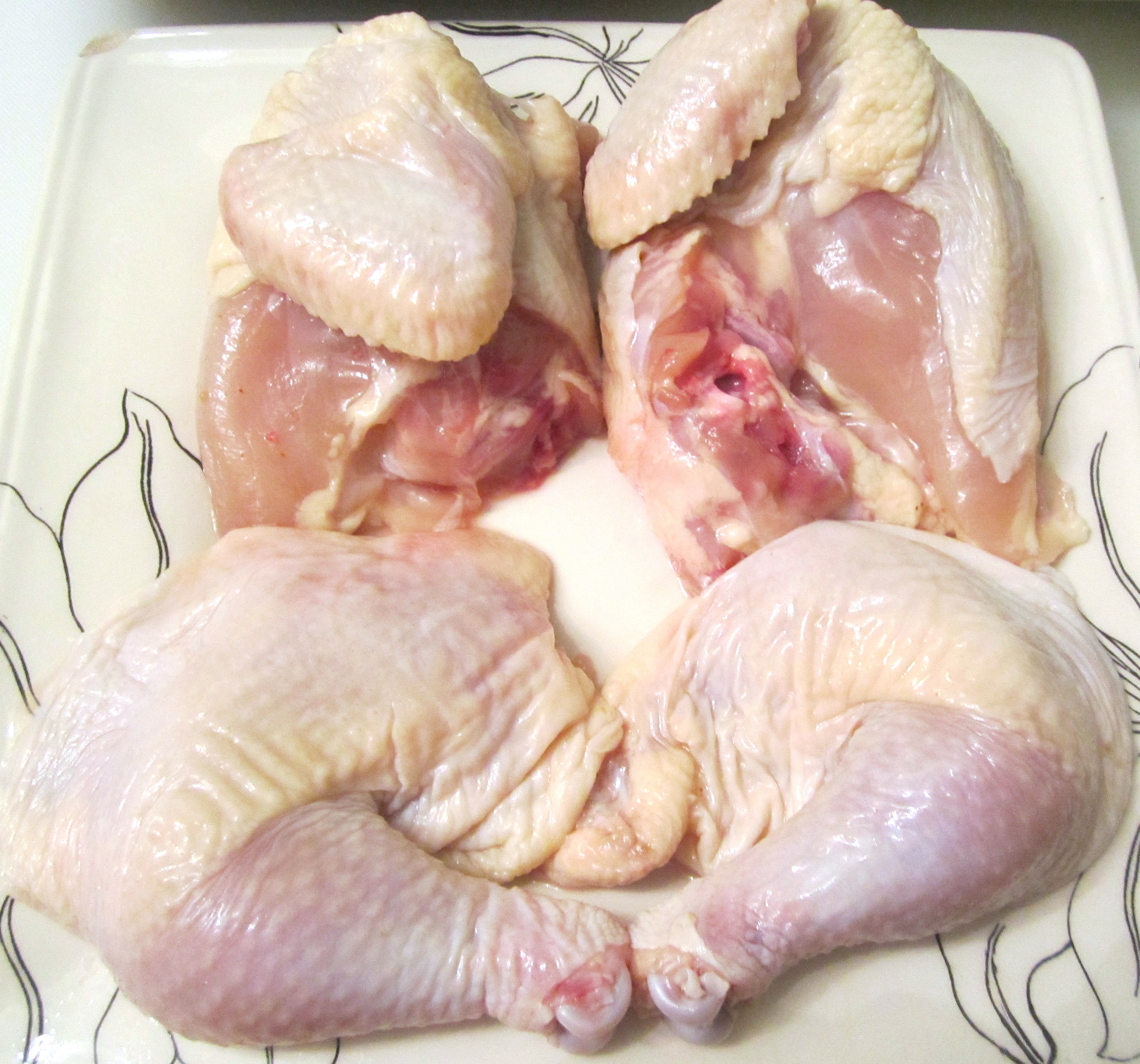
Cut a whole chicken into eight pieces or a cornish hen into four pieces,
season with garlic paste, salt and pepper and fry at 375 degrees until golden.
Transfer to a wire rack and bake in a 375 oven until the internal
temperature reaches 162 degrees. Let rest for five minutes before serving.

Bon Appetit !   Live is Good
.
.

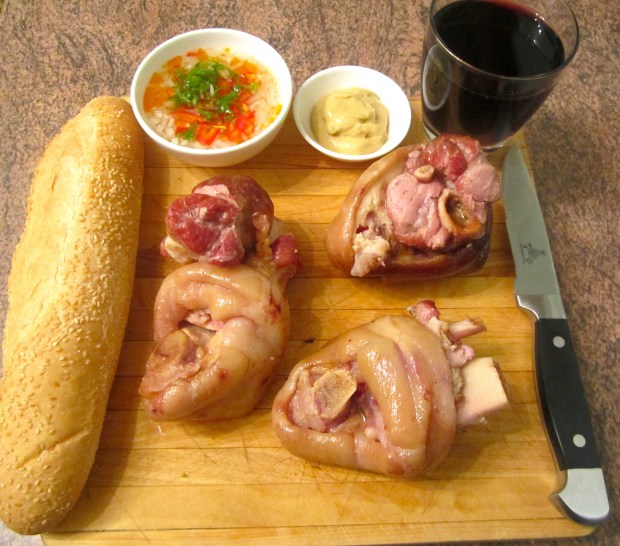
” Bauern Vesper ” # 1

.
.
The word  “Vesper”  has two very different meanings, and is used in different languages.
Obviously, we don’t want to discuss the religious meaning here, but the culinary one.
In southern Germany we use the word “Vesper” as an alternative to “Brotzeit“,
which means a meal consisting of bread (Brot) and usually, meat, poultry, cheese or fish.
It is a meal traditionally consumed at around sundown (there is a religious connection)
and used to be a simple version of dinner. These day’s, vesper has more or less taken on
the meaning of snack, consisting of  bread and protein during any time of day.
Yesterday I skipped breakfast and lunch and instead, in the early afternoon,
had a VERY substantial bauern vesper  (farmers meal),
consisting of smoked pork knuckles, slowly simmered until tender,
served with dijon mustard  and a dipping sauce of cider vinegar with roasted garlic,
chilies, salt and onions.  And last, but not least, a glass of fine merlot.
– And yes, this is one portion. (lot’s of bones)   🙂

Bon Appetit & Cheers !   Life is good !
.
.

.
.
.
.

” Saure Kutteln ” (For Offal Lover’s Only)

.
.
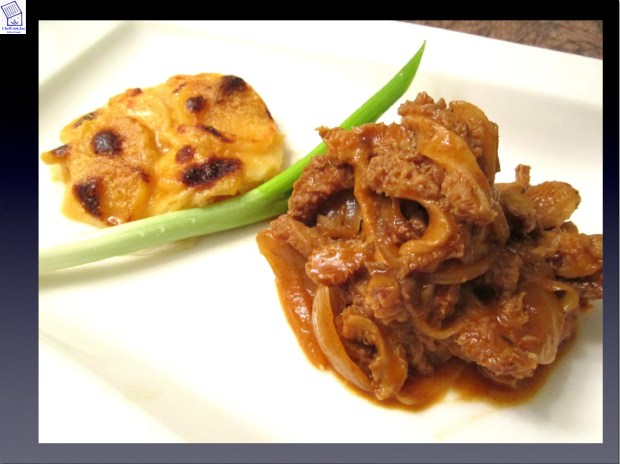
Saure Kutteln  (Sour Tripe) with potato gratin.

I grew up eating this dish often, it used to be  a popular dish in southern Germany.
Eating habit’s have changed over the past few decades since I was growing up there,
so who knows, maybe , like so many other wonderful classic dishes, it too has
disappeared from today’s “modern” menus  😦
.
.
.


.
Ingredient‘s :

Tripe
Tomato sauce
Demi Glace
Cider vinegar
Dark rum
Garlic paste
Caraway seed
Onions
Butter
Salt
Cayenne

Method :

Blanch the tripe, starting with cold, vinegared, salted water, twice. The third time, simmer until tender. Don’t overcook ! In my opinion, the tripe should still have a bit of a bite to it.
Strain, rinse. Saute the onion, garlic and caraway seed’s until fragrant. Deglace with rum, add demi glace, tomato sauce, vinegar, let simmer for 5 minutes. Add tripe and simmer for another 10 minutes. Season with salt and pepper to taste.
Serve with pasta, potatoes or a rustic bread.

Bon Appetit ! Life is Good !
.
.

Some Of The Places I Worked At Over The Years

.>

>
>

Just some of the places I worked at over the year’s.
Many places don’t exist anymore and don’t have
any pictures on the net. I can’t even find a picture
of my own restaurant  ” Gildenkeller ” I had for
a while in East Germany  😦
If anybody out there who worked with me at any point
can help me with pictures of places which are missing here,
I would highly appreciate it if you would contact me. Thank’s  🙂

Life is Good !
>
>
 

(Hover or click a pic to see the name and location of the place)
>


.
.

” For Offal Lover’s Only ! “

.
.
Friend’s, by now you have probably realized that some of my recipes and / or pictures
are of food which is a bit outside the mainstream. ( Some of my articles as well ? )
Yesterday I came across this article in the huffpost which reminded me again how
far most of our young “colleagues” and their guest’s / client’s in the culinary world
have moved away from the well rounded professionals we oldtimers were trained to be.
It praised the new generation of inventive and adventurous and oh so clever chef’s for
using the whole animal. WOW!
When I apprenticed in the sixties back in Germany, we were used to getting delivered
the whole animal, or if this was impractical because of it’s size and weight, a half  (veal,
pig, stag, boar) or a quarter (beef). Fresh game was always  dropped off whole by
the village hunter, and two four times a year we slaughtered our own pig’s which we
raised mostly on food scrap’s from the restaurant. So, on most restaurant’s menu’s
you wood find cut’s from ALL part of the animals. From snout to huff and tail and just
about  anything in between was used for a well rounded menu, at small country inn’s
all the way up to five star restaurants.
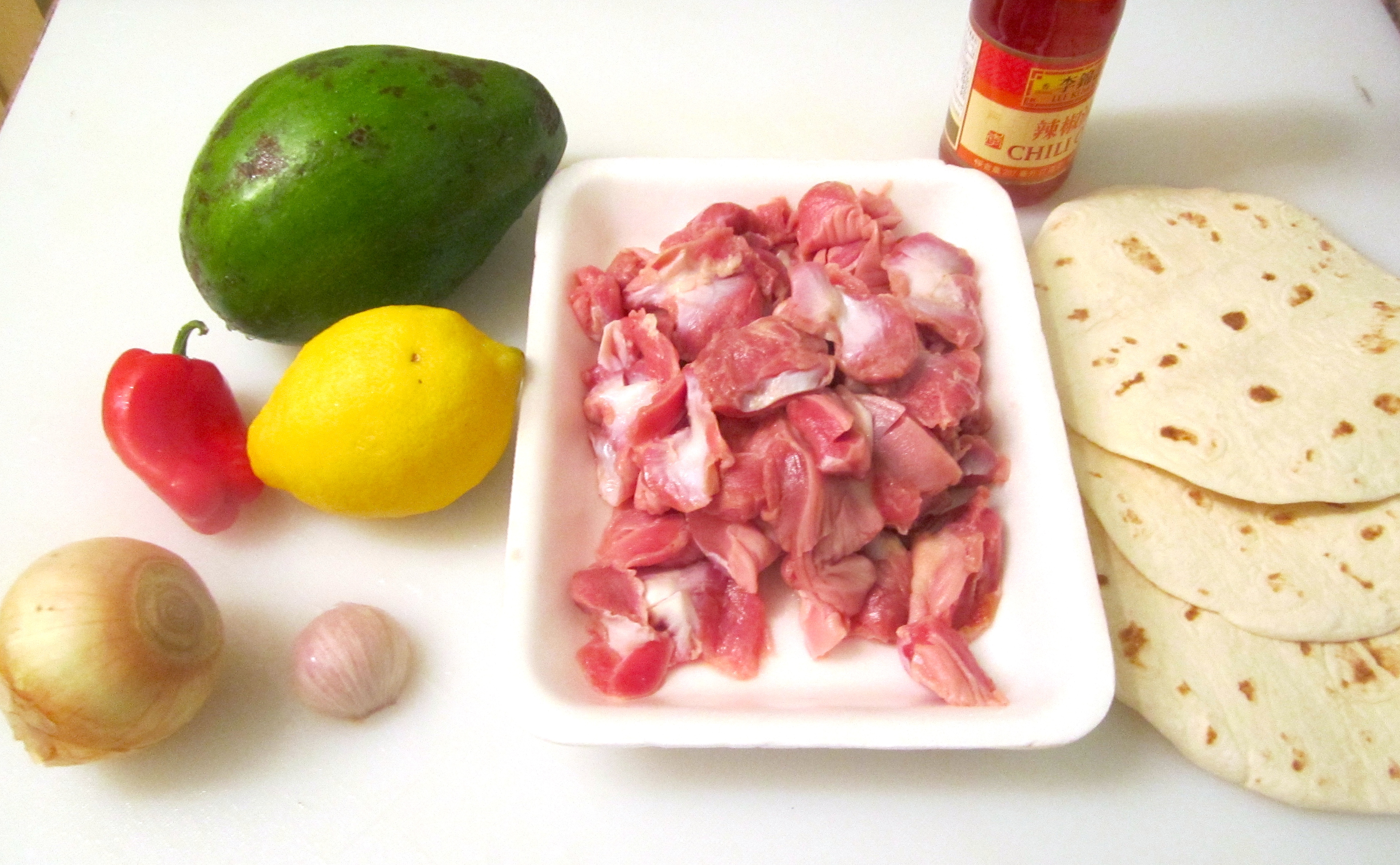
So,  in this spirit, here is my take on Gizzards :

” Fried Spicy Gizzard’s, Guacamole & Totopos ”
.


.
.
Simmer the cleaned gizzards in red wine, garlic, salt and cayenne pepper until tender. Strain, dry.
Season with salt, cayenne pepper and garlic powder and fry until the edges become crisp.
Don’t fry too long or they become dry and tough. Season and fry the onions the same way.
To serve, sprinkle with cilantro and chili flakes.

Because I served these with guacamole, I did not need a dipping sauce .
If you want to use a dipping sauce, try this:
Soy sauce with scallions, lime juice, sriracha and a bit of rice wine and sugar.     🙂
.

” 10 German Sausages To Know And Love “

.
.

A helping of sausage gets you through the wurst day

by Jess Kapadia on FoodRepublic
.

I learned a lot about sausage while reporting on
Germany’s Christkindlmarkts for Lufthansa USA.
I thought it was just a generalization that Germans live off them,
and that they had as many kinds of sausage as Eskimos have words
for snow (also a generalization, as I learned while researching
better ways to express Germany’s love of sausage). But it’s true.
They’re really serious about tube steak. And now I am, too.
Every region has its own particular riff on “sausage in a bun,
” like Nuremberg’s much-loved Drei im Weggla
(see slide 2) or the massive Thuringer, whose bun cannot hope to
contain it all. You can have your
sausage with potatoes or with kraut (hopefully both).
There’s a sausage for every morsel of every pig or cow,
as there should be. Here are 10 favorites I discovered wandering
around Germany’s outdoor Christmas markets.
.

                                                                                                                                                                Photo: kathryn_rotondo on Flickr

Knackwurst

Knackwurst, also spelled knockwurst, are short, thick sausages made of finely ground pork, flavored with plenty of garlic. The name comes from the German “knacken,” which means “to crack.” We’re assuming these sausages were named for the crackling sound the casing makes when bitten into, but it could very well be for their highly addictive qualities. Recommended served with sauerkraut and mustard.

9 more sausages HERE 

More about: