hans sussers opinion

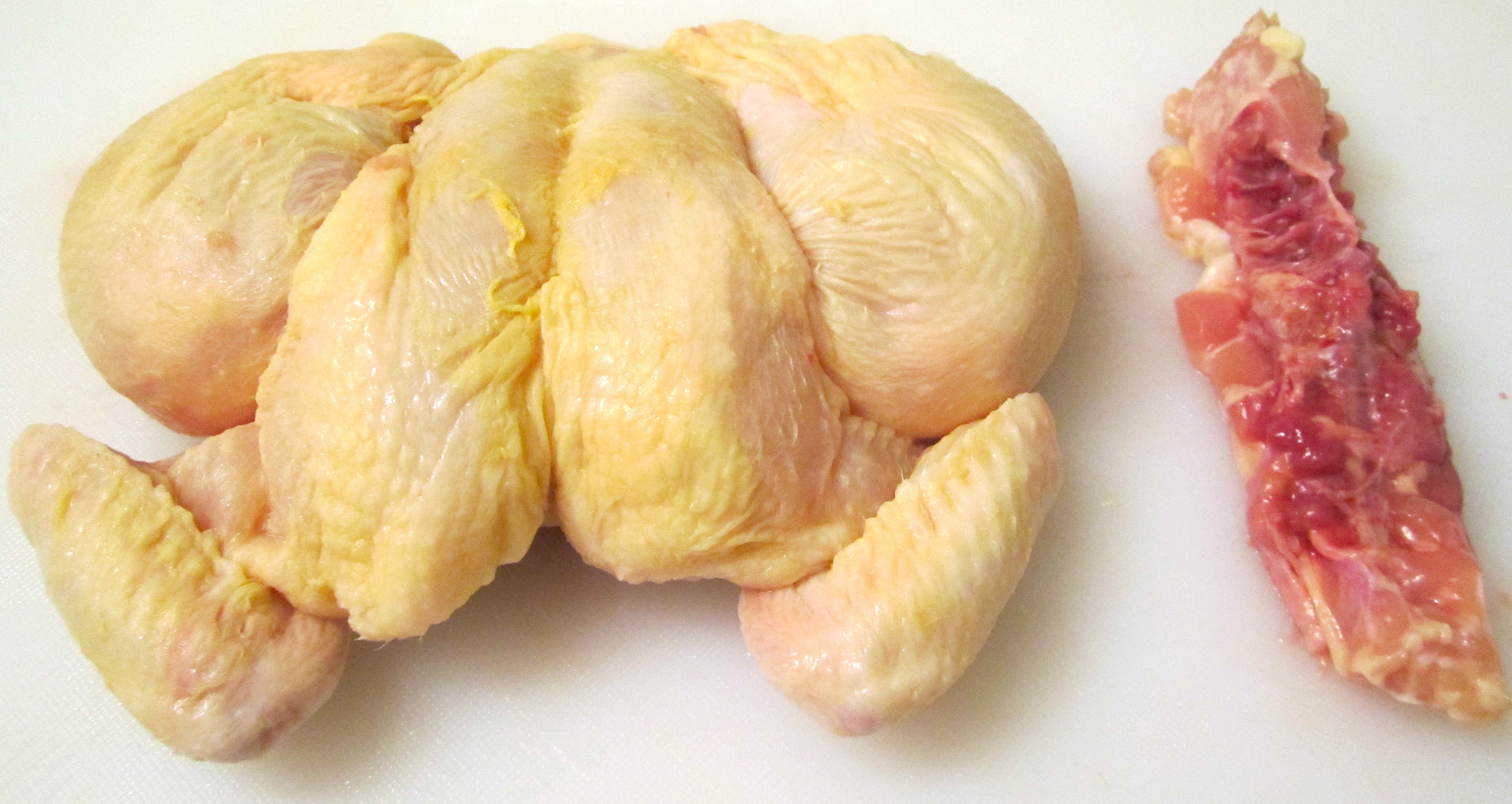
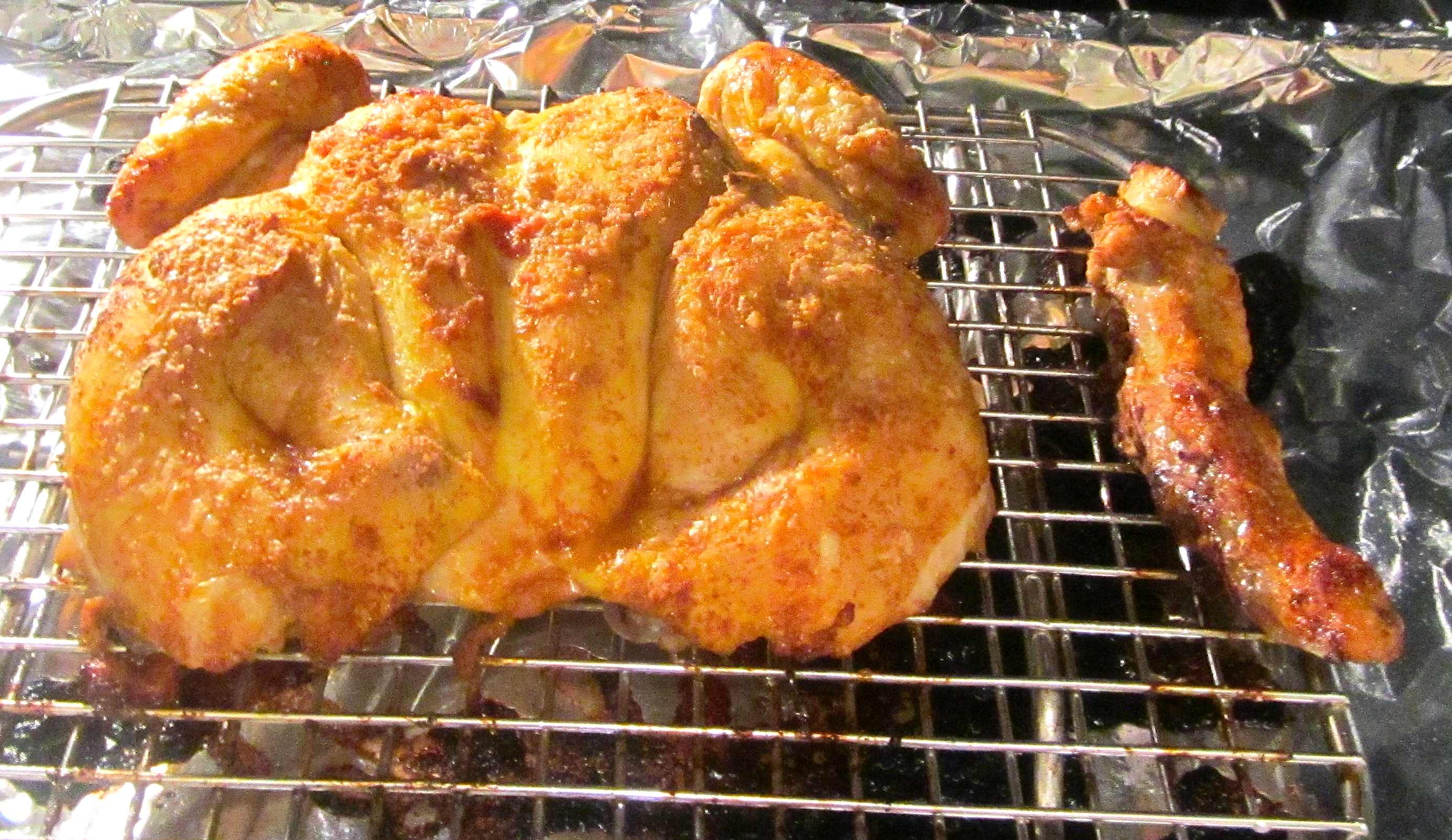
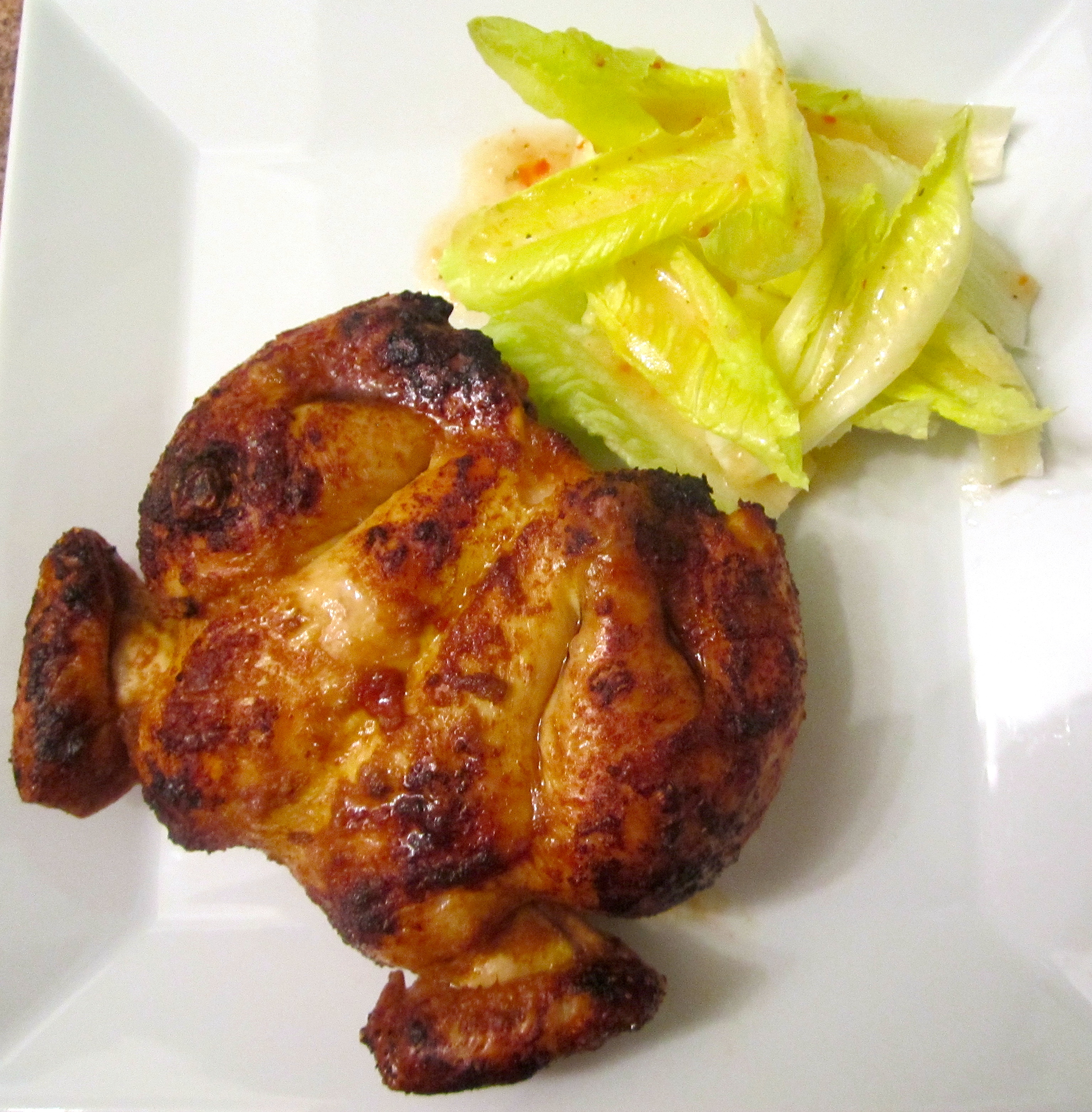
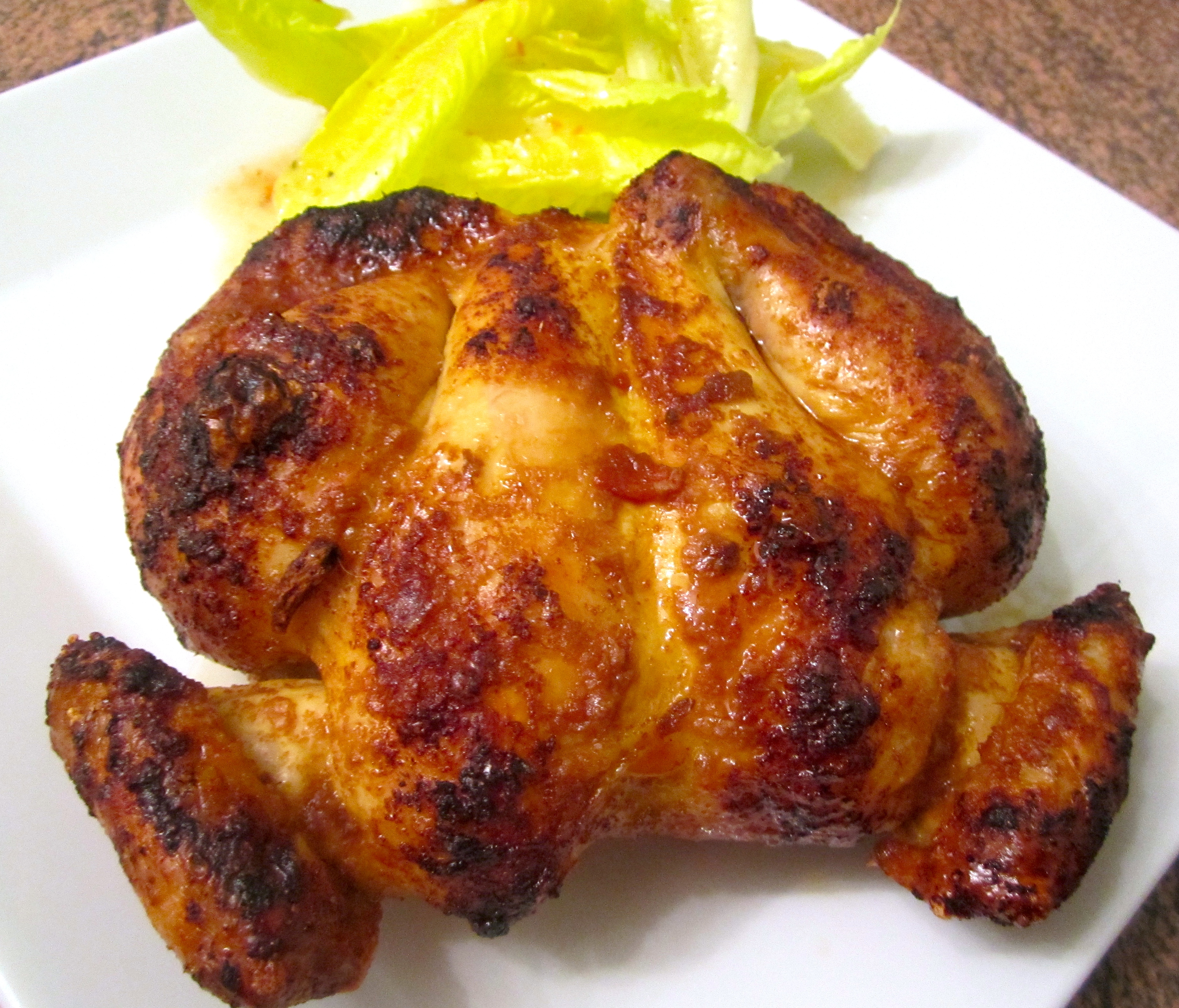
” Spatchcocked Cornish Hen “

.

Last night’s  excellent dinner. 

One whole cornish hen is a perfect portion.

Bon Appetit ! Life is Good ! 🙂

Ingredients:

Cornish hen, soy sauce, kosher salt, sriracha, onion pwd, garlic powder;

Method:

Roast in oven at 420F until internal temp on the thickest part on the bone reaches 160F.
Let it rest fo 10 minutes in a warm place. Do not cover or you will loose the crispness.
Carry over heat will take it to a safe 165 and it will still have all the juices.

.

.
.

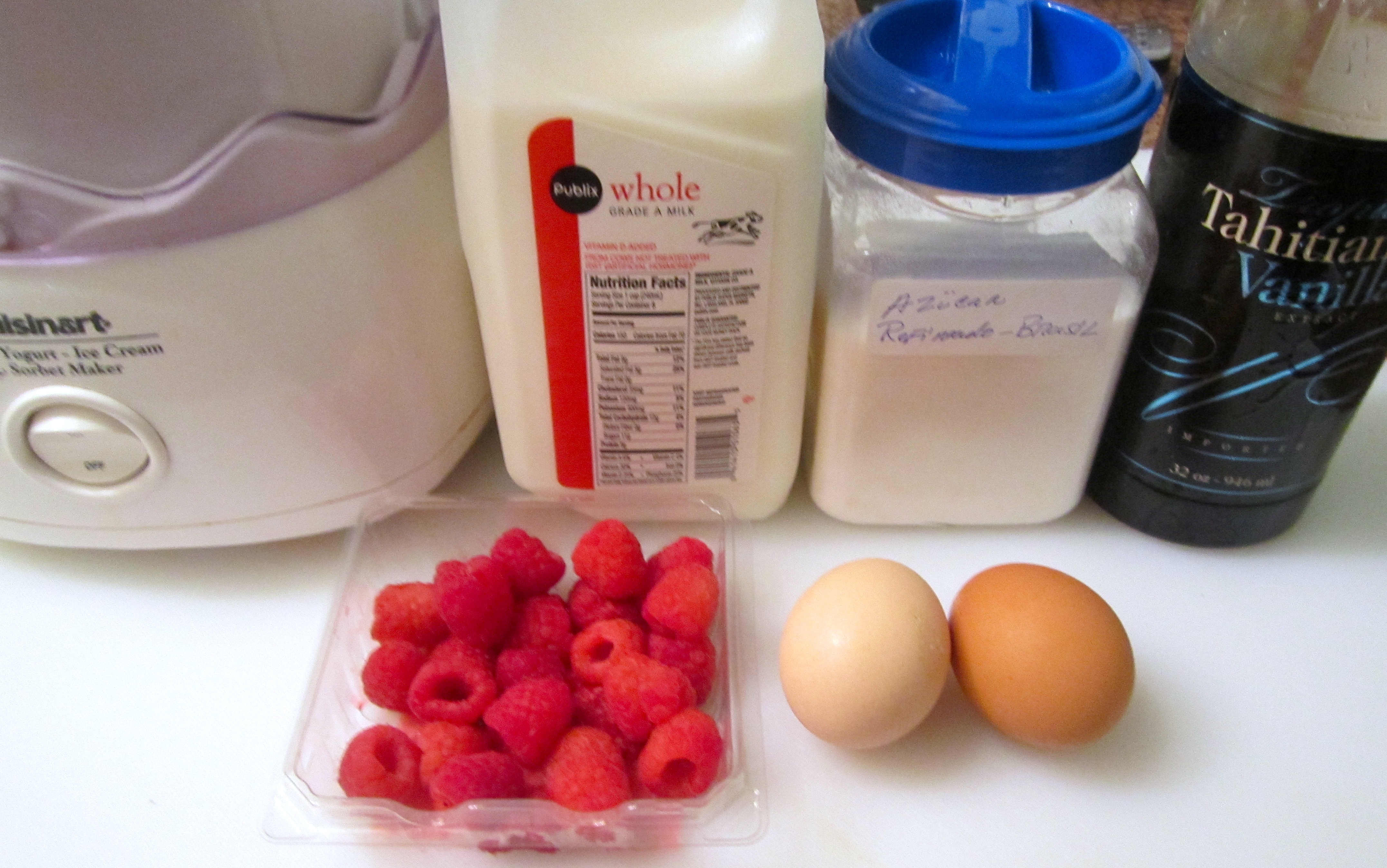
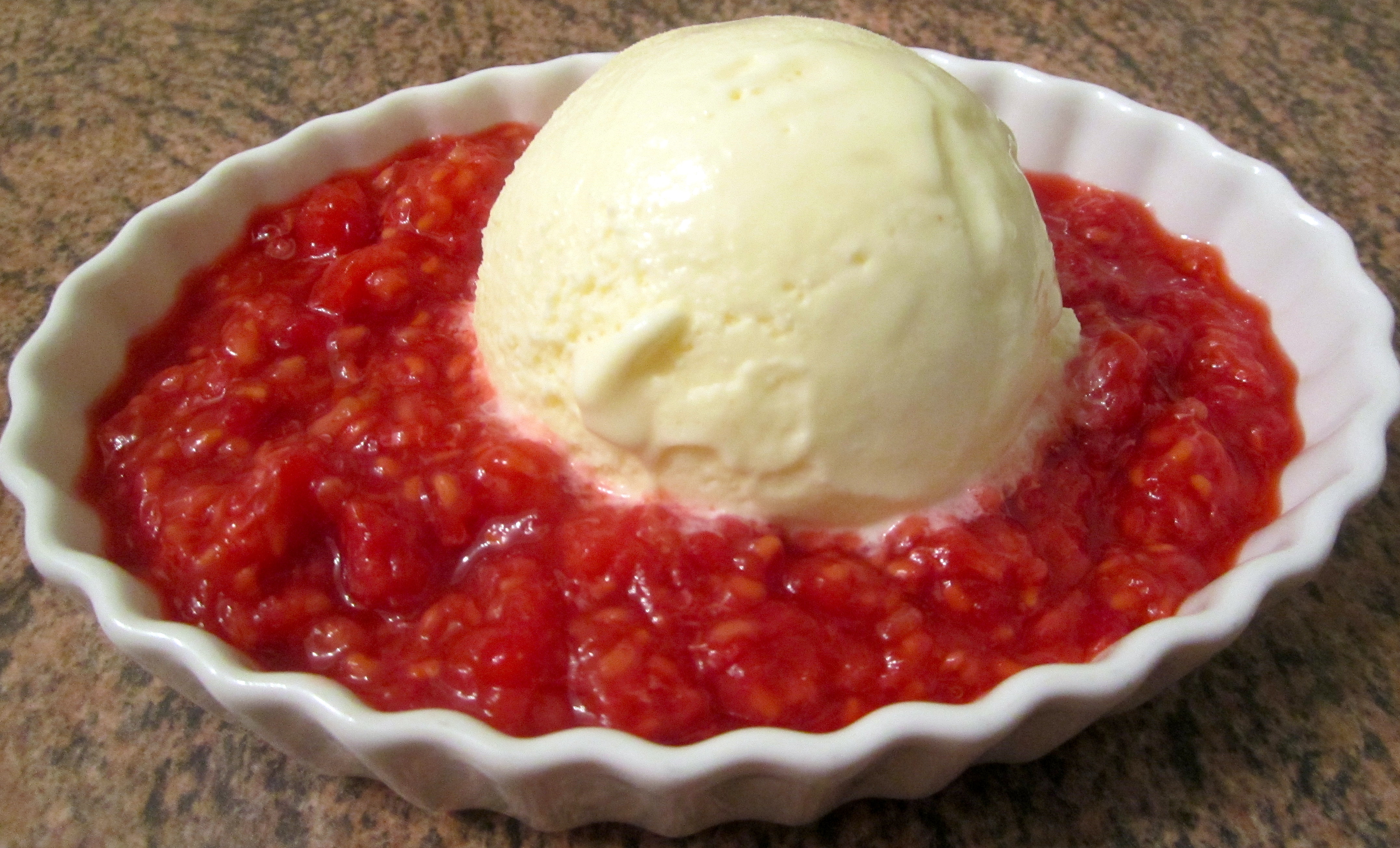
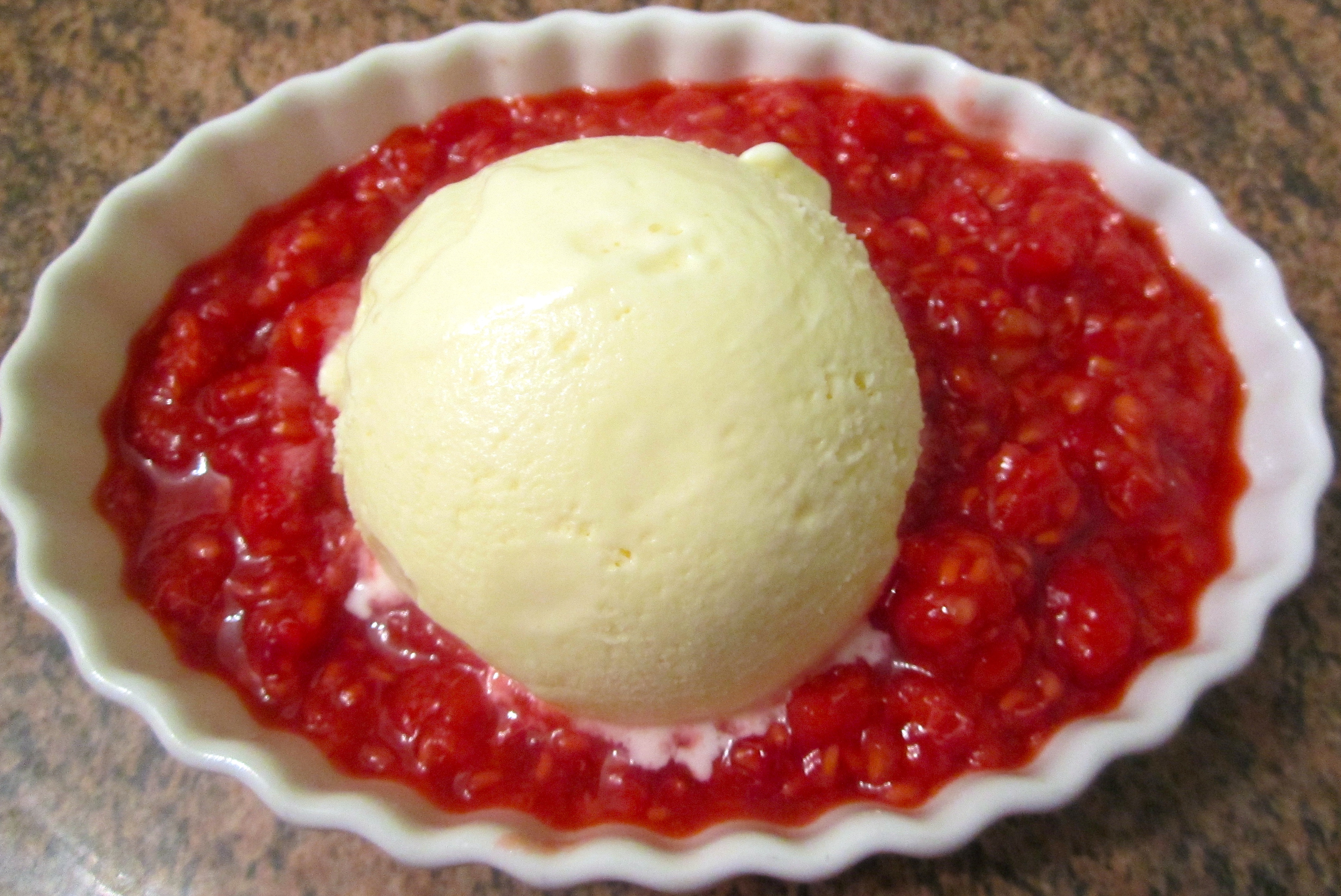
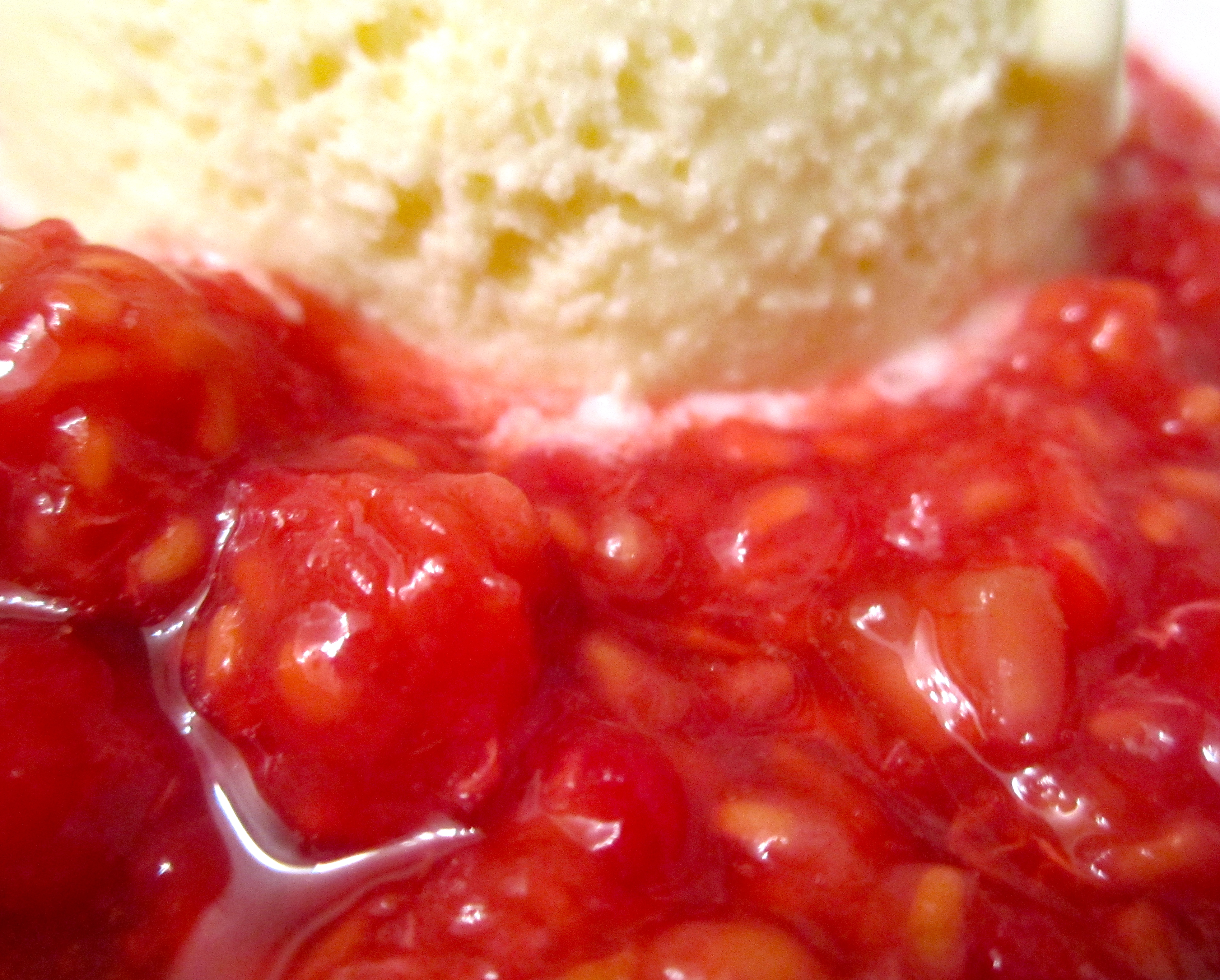
” Homemade Vanilla Ice Cream & Raspberry Puree “

.
.

Yesterday afternoon felt like ice cream,

did not want to drive to the store,

– made my own 🙂

Life is good !
.
.

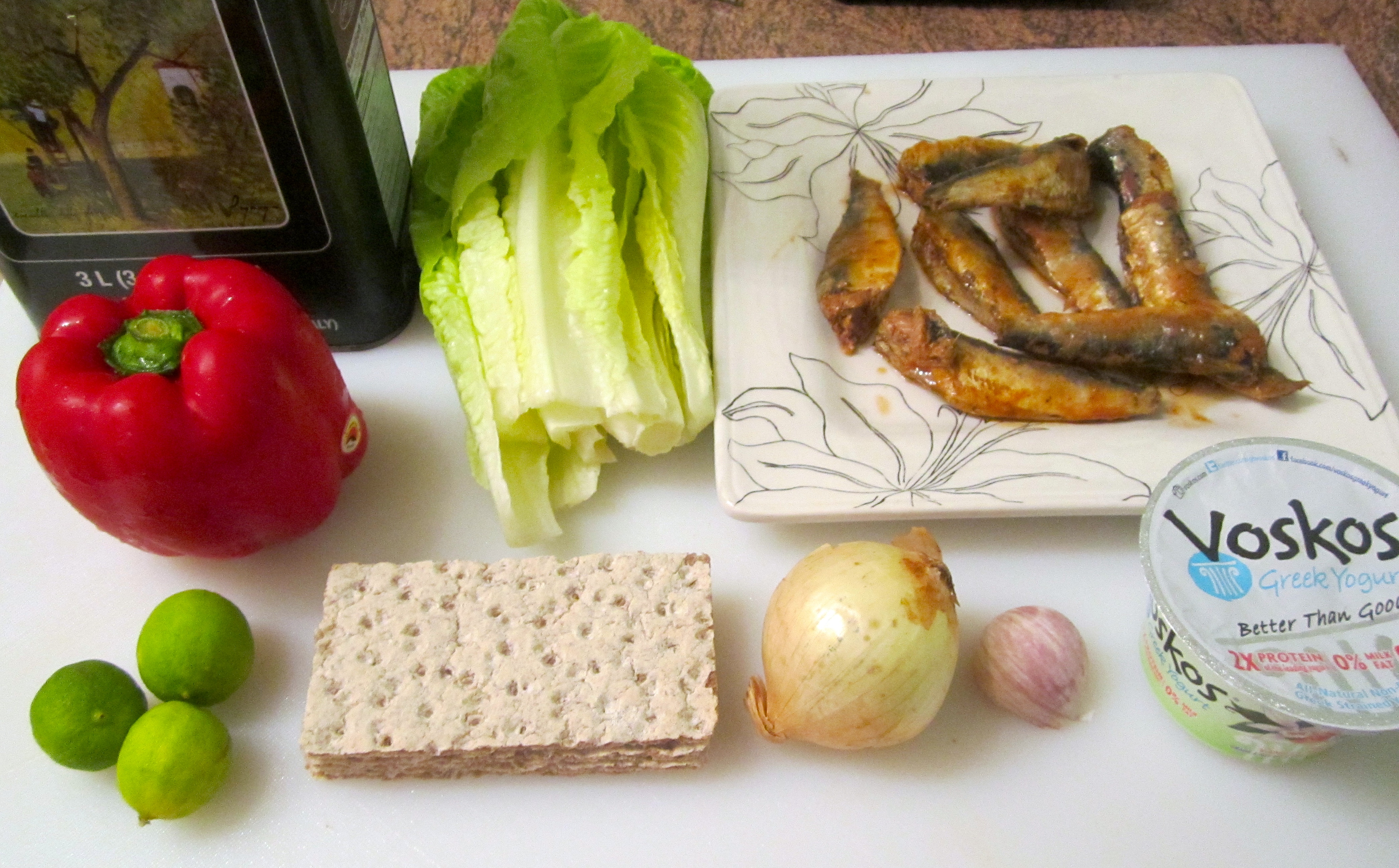
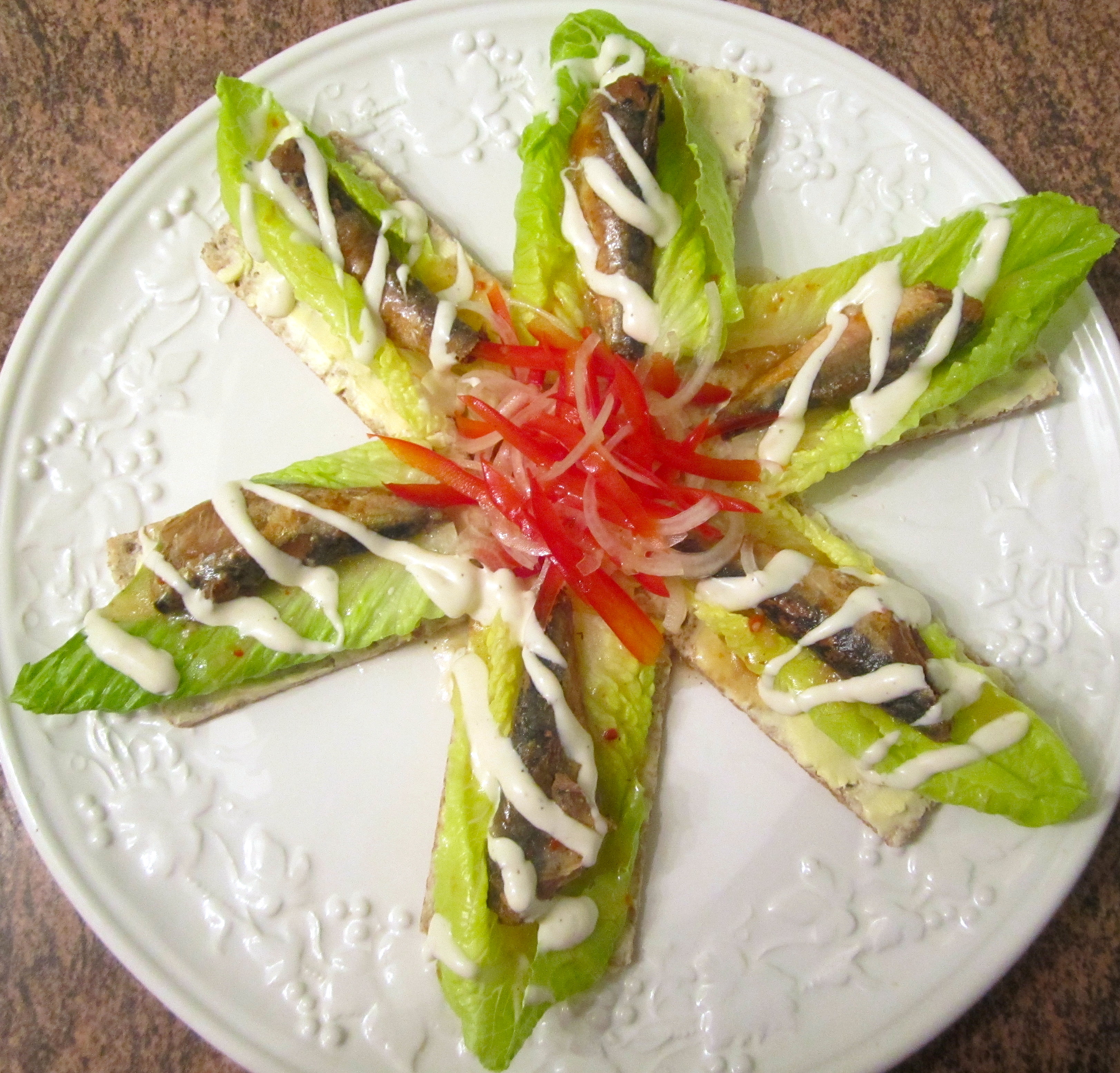
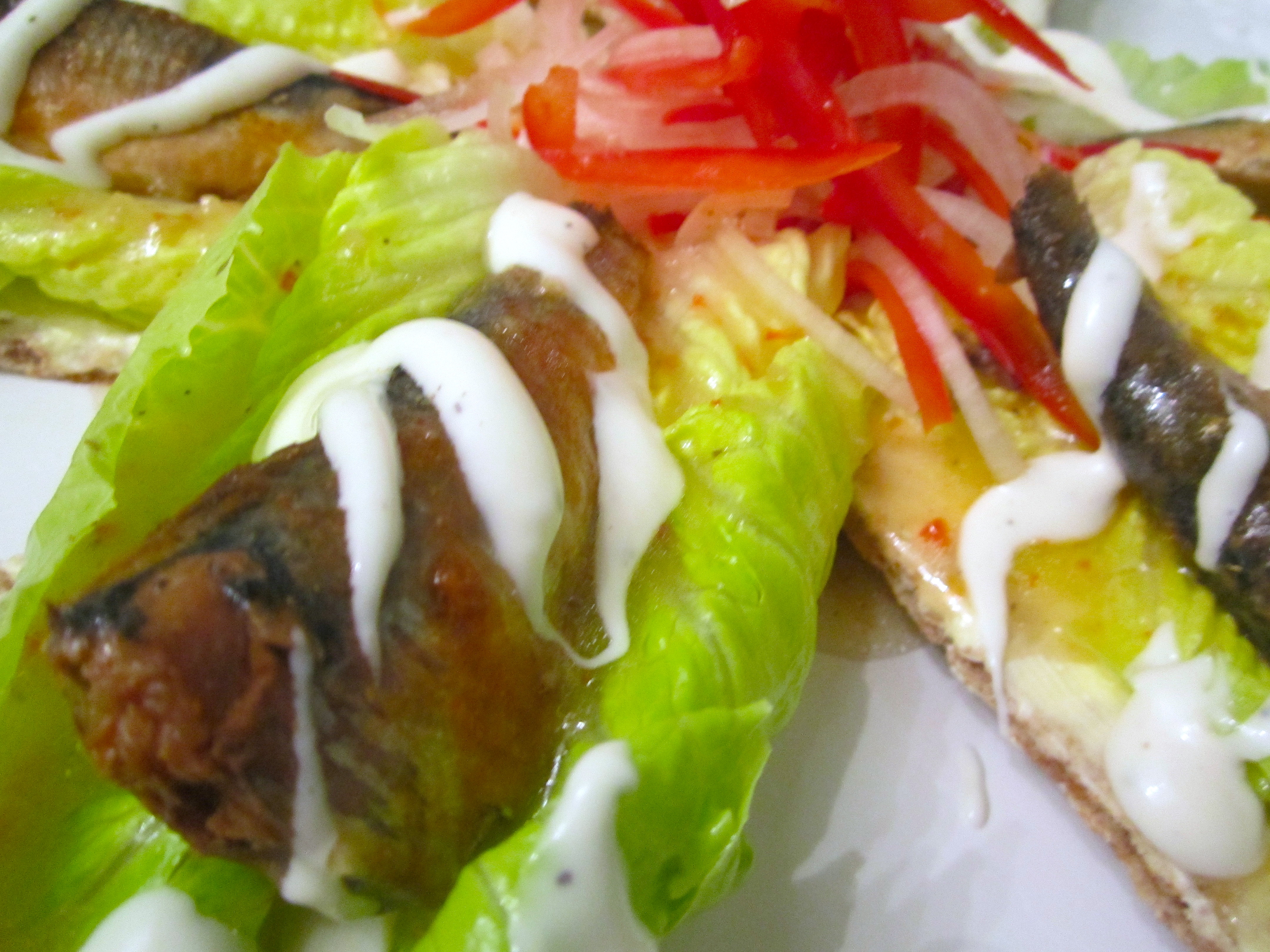
” Sardine Sandwiches on Knäckebröd “

.

.

Last night’s midnight snack.

Beer and sardines.

What’s not to like ?      🙂

.
.


” I was once asked what I could cook and I told them: everything! “

Russ Orford • @ Shelley, most “good Exec Chef” starts just there on the line. We have the burns the cuts to prove it. At 52, I can still give the young ones a run for their money, and not because I am fast but because I get it right and I know. However as A Exec chef the job has taken me elsewhere in the kitchen to oversee the prep the ordering, the following of health codes, OHSA, Inventories, and Training, costing of menus. The endless meeting that management feels I need to be at. The fixing the mixer and fridge door Because there is no money left in the R&M budget, and over a 100 other things that come up every day to keep the kitchen running, and yes I still get time to do the thing I got into this job for TO COOK on the line working one or two meal parts per day like breakfast, lunch and dinner. Really if I took my wage and divided it by the hours I work you would see a Slave wage, after all most cooks are on an hourly rate and when their shift is up it is up and they go home. Unlike a exec chef who stays until the job is done. I am first in and most time last out of my kitchen. I do not have a degree I did my Apprenticeship of 3 years working under hard talking hard drinking 1st and 2nd cooks , being trained my exec chefs who knew how to train cooks and chef and also had no degree , I have had many a “ young Chef “ who has come to my kitchen with a degree and they could not even cook an egg ! Why you may ask well as one young degreed chef told me “we were only shown how to do that one or two times before we moved on to more interesting food items!” I cannot tell you the amount of eggs I cooked before the chef would allow them to be serve to the guest, and until I could do that I was not allowed to “move on to the more interesting food items “and that in a nutshell is why we as chef are paid poorly, as most of these young chefs with degrees cannot do the basis things and so we all get batched in to one happy group. I was once asked what I could cook and I told them: everything! The person asked me how I could cook everything and that was impossible! I told him I had good training from the first day I walked into a kitchen I was taught the basis again and again until I got them right and was not allowed to move on until I got them right. Most line cooks know the food they are cooking the menu they are working on, repetition builds speed not knowledge Take a line cook off the menu he is working on and give him a new menu and he is like a duck out of water. I have seen many a “bull cook” have the wind taken out of his or her sails with a “new menu “

Read more HERE 

” It’s safer to make a salad on a toilet seat than it is to make one on a cutting board “

.
.

“In most cases, it’s safer to make a salad on a toilet seat than it is to make one on a cutting board,” says Dr. Charles Gerba (a.k.a. Dr. Germ), a microbiologist and professor at the University of Arizona in Tucson. “People disinfect their toilet seats all the time, but they don’t realize that they really need to pay attention in the kitchen too.” Since 1973, he’s been studying the hidden bacteria lurking in American homes, and his findings should influence your behavior when it comes to storing a toothbrush (in the medicine cabinet) and how to flush a toilet (lid down). Here, Dr. Germ identifies the top five dirtiest spots in the kitchen and gives advice on how to banish nasty germs.
By Alessandra Bulow, Food & Wine

.
.


1. Sponges and Dishcloths

“We did a survey collecting 1,000 sponges and dishcloths in kitchens, and about 10 percent had salmonella. They get wet and stay moist, so bacteria grow like crazy. The most E. coli and other fecal-based bacteria in the average home are on a sponge or cleaning cloth.”

DR. GERM’S ADVICE: “Replace dishcloths every week and throw the sponge into the dishwasher or microwave it on high for 30 seconds.”

2. Sink

“There’s more E. coli in a kitchen sink than in a toilet after you flush it. The sink is a great place for E. coli to live and grow since it’s wet and moist. Bacteria feed on the food that people put down the drain and what’s left on dishes in the sink. That’s probably why dogs drink out of the toilet — because there’s less E. coli in it,” says Dr. Germ.

DR. GERM’S ADVICE: “Clean the sink basin with a disinfectant product made for the kitchen. Vinegar and lemon juice can clean some bacteria, but they can’t clean really bad pathogens, so the Environmental Protection Agency doesn’t recommend using them as an alternative.”

3. Cutting Board

“In most cases, it’s safer to make a salad on a toilet seat than it is to make one on a cutting board. There’re 200 times more fecal bacteria from raw meat on the average cutting board in a home than a toilet seat. Most people just rinse their cutting board, but poultry and raw meat can leave behind salmonella and campylobacter.” The latter bacteria, which can come from eating raw meat, is one of the most common causes of food-borne illness, according to the FDA.

DR. GERM’S ADVICE: “Use one cutting board for meats and another one for vegetables, so you don’t get cross-contamination. Boards can be cleaned with a kitchen disinfectant or put it in a dishwasher.” As to whether you should buy a wood or plastic cutting board: “We used to always recommend using plastic cutting boards, but wood seems to have antimicrobial resins, so it’s a toss-up.”

4. Bottom Shelf of the Refrigerator

“When we looked at refrigerators, the bottom shelf tends to have the most bacteria, because moisture and condensation drip down from the upper shelves. People often put produce on a bottom shelf and defrost a meat product above it.”

DR. GERM’S ADVICE: “Wipe down the bottom shelf every two or three weeks with a disinfectant cleaner that’s made for the kitchen. To avoid cross-contamination, put raw meat on the bottom shelf and tuck raw produce into a drawer away from everything else.”

5. Kitchen Countertops

“Kitchen countertops tend to be the dirtiest near the sink area because people wipe them down with sponges and cleaning cloths that have E. coli and other bacteria. The sponges and cloths just spread the germs all over the countertops.”

DR. GERM’S ADVICE: “Use a disinfectant kitchen cleaner and finish off by drying the countertop with a disposable paper towel. Paper towels are great because they absorb a lot of the moisture and bacteria and you can just throw them away.”

.
.
.

.

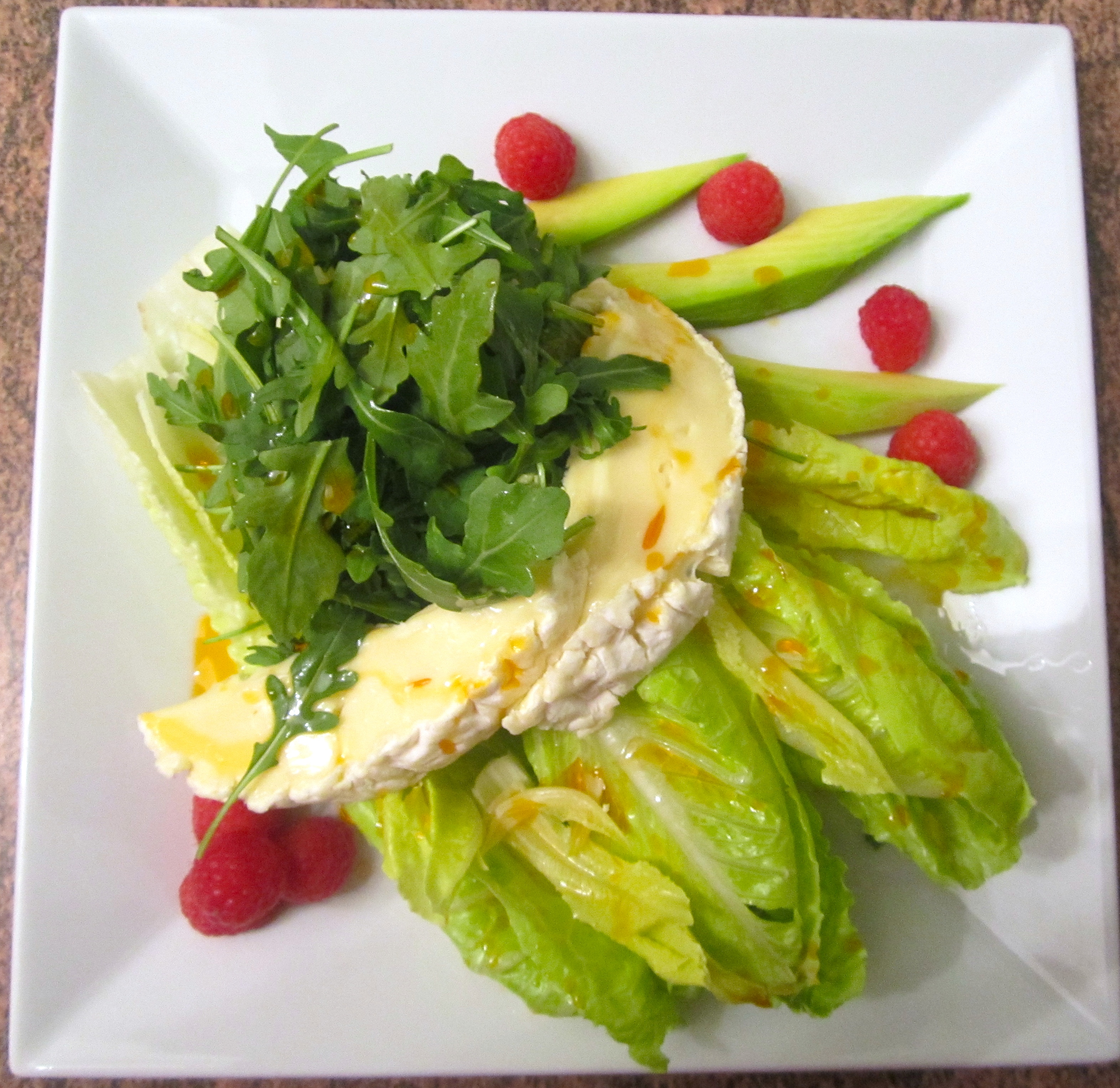
” Romaine, Arugula, Avocado, Raspberries & Camembert In Raspberry Vinaigrette “

.

Today’s early lunch just hit all the bottons .

Sometimes a light dish with enough seasoning and
tasty components is all that’s needed early in the day.

Bon Appetit !  Life is Good !

.

.

” Arroz Caldo “

Tonight’s Pinoy Dinner : Arroz Caldo

Arroz Caldo (literally translated as warm rice) is a type of congee (or lugaw)
that in texture and apparence somehow resembles risotto. Though this dish
is of Chinese origin, the (new) name was actually given by the Spaniards
because of pronunciation issues.

Suggested condiments :
Safflower (wild saffron),toasted garlic, calamansi, scallions raw egg yolk,
hard boiled egg are added to enhance the  flavor, color, and aroma of the dish.

I just love that stuff ! Live is Good !


” Your own spin ! “

Here is some info / advise I’d like to share :

Hi Mark,

To answer your question for the recipe :
The ingredient’s (except most standard seasonings) are usually pictured in the first picture..
The idea is to have you add as much /  little of one ingredient as you like :
Don’t like much garlic? Add less! Love garlic?  Add more.
In savory cooking, recipes are usually just guidelines, which you should interprete
according to your taste and preferences (Don’t like butter? Use olive oil!
Don’t like butter nor olive oil? Use Canola oil or peanut oil or whatever fat you like !
Prefer your soup / sauce thicker or thinner ? Add more or less thickener !
Don’t want fat in your food? Leave it out!

Cooking is a labor of love.
Do what makes you happy, as long as you understand the guidelines.
  :-)

Bon Appetit !   Life is Good !

Working for the government sounds better :-(

Halleluja !!!     I’ve got just two years to retirement   🙂
I LOVE my profession (Cook) but thank’s God it’s over soon.
I worked my butt off most of my life, but there were great rewards
as those of you who have traveled the world as executive chef know.
But now ?
Working for the government sounds better 😦

Read the whole story HERE 

” Dear Haters “


Bella say’s :