hans sussers comments

Arrogance & Narcissism Of The Highest Order ?

.Michel Bras’ gargouillou, which René Redzepi has called one of the most copied

Michel Bras' gargouillou, which René Redzepi has called one of the most copied dishes of all time [Photo: Entre Les Bras/Facebook]

Michel Bras’ gargouillou, which René Redzepi has called one of the most copied dishes of all time [Photo: Entre Les Bras/Facebook]

Dear  Friend’s
If you think the picture above shows a pretty presentation and is worth to pay a few bucks for in a nice restaurant, so that you have something to nibble on until the real food arrives, then we speak the same language.
If, on the other hand, you think this represents culinary art, innovation, and groundbreaking plating technique, we might not be from the same planet.


Here is what has started to tick me off lately:
A spectacle is being made by a bunch of chef’s about copy protecting recipes, cooking techniques, plating details, and styles. One recent headline on “Eater” read:

Inspiration and Attribution in Cooking:
How and When Should Chefs Credit Their Sources?

What a tremendous load of bullcrap !
It is one thing to credit your sources for a “unique”  recipe, technique, idea and/or influence out of respect and good manners.
It is a whole other story to, as some donkey’s now do, “demand” credit for something that has been around for years, decades or even centuries.
Lot’s of chef’s nowadays call themselves innovators, visionaries, inventors, when all they do is change,  grow, and, hopefully, refine established ideas, techniques, method’s and ingredient’s.

– Fried Hollandaise ? Hollandaise has been around for a long time, folks. Frying ,  too !
– Foraging for food ? Come on guys, even my great great great great great… grandfather was foraging for food.
– Food trucks ? Been around for decades in Europe, (See also food carts in other parts of the world)
– Elaborate presentations? Medieval cuisines started that trend.
– Use of the whole animal? Come on, really?
– Sprinkle a few leaves, herbs and edible flours on a plate “painted” with a sauce or coulis? Ask your twelve-year-old to give you a hand.

While there are without a doubt a few (very few) chefs’s out there who are true innovators, artist’s and culinary visionaries, the majority of dishes, techniques, presentation, ingredients, and combinations, have been around forever. Some have come and gone, some have looked and tasted a bit different, some have not been as popular and many have come from other parts of the world and simple been introduced to an unknowing group of people who did not travel or frequent ethnic restaurants (or food trucks) and were therefore never introduced to stuff which was already well established elsewhere.

Now, just imagine to take this nonsense a step further and contemplate the following:

Every time you write a menu, you give credit to the creator of the tomato soup, baked potato, grilled steak, poached fish, lemon wedge, compound butter, turning spaghetti with a fork, sprinkling cheese on top of pasta, a ham & cheese sandwich, blanching and shocking in ice water, decorating your pudding with whipped cream (EXTRA credit if you add vanilla, extra-extra credit if you add sugar, extra extra extra credit if you call it Chantilly) Where would it start? I certainly could never end and be nothing but a pointless exercise. Professional chefs are well aware of the names of the creators of certain dishes, techniques, even garnishes (Melba, Célestine, Grand-Mère, Café de Paris), but in my humble opinion the names of these creators and innovators are still alive today because what the have created was worthwhile to cherish, admire, look at and most of all, eat, eat and eat again !

Ahhh, a little venting does one good  🙂
.
Bon Appetit !   Life is Good !
.
.

Am I Obsolete ?

.
.
I love food

I love food for the sake of food.
Does that make me obsolete? Out of touch? Old fashioned?
Removed?  Aged? Antiquated?  Archaic,? Bygone? A fossil?
Moth-eaten?  Out-of-date?  Outmoded? Primeval? A relic?
Or just plain stupid ?

Why do I ask this question ?
Well, most of my post’s are getting very positive, kind,
approving comments, which makes me happy , appreciated and
assured that traditional, simple, real food still has a stronghold
in the culinary universe. Most of my followers are food professionals
of  a certain age, the “riper” age usually, and a wide variety of
older, younger, middle aged, more or less experienced home
cooks, culinary students and food enthusiasts of all sort’s.
Great ! Who would complain? I certainly don’t !
But I really wonder why I don’t attract more so called FOODIES.
Isn’t the whole point of calling oneself a foodie the point to indicate
a strong love of  all types  of food, in any way, shape and form ?
Yet it seems to me  that some (most?) foodies are more interested in
creations that look like architectural creations, less like FOOD that is
nourishing, tastes great and is beautiful to look at. When I look at the
Internet lately and see some of the dishes out there, I ask myself if
there really is a huge part of the population which think’s that a 30 course
tasting menu made of lot’s of unidentifiable stuff that takes 4 hours
or more  to consume and cost as much as a used car is the new way to eat daily ?

While I am the first person to enjoy some of these foods and I can
appreciate the time, craft, effort and artistry that has gone into that kind of food,
by extremely passionate, highly professional chef geniuses who are truly amazing and
are bestowed with rare culinary gifts, insight and energy, I will never assume
that this is the way people will eat regularly in the future, breakfast, lunch and
dinner. I rather think meals like that should be appreciated
for what they are supposed to represent : Special rare, highly anticipated occasions
which are extraordinary for their cost, beauty, and rarity.

Besides, a lot of these so called modern interpretations of food
are nothing but weird, ridiculous crap, produced by people who call themselves
chefs and innovators who don’t have the slightest idea about good FOOD,
I am highly amazed of the large amount of guest’s in some of these “temples of modern cuisine”
who are gullible  enough to fall for some of the idiotic concoctions presented as innovations.

Again, I want to highly stress that I am a strong believer and admirer of innovation, artistry,
extraordinary new way’s to prepare and present old and proven dishes and explore
new way’s to prepare and improve long forgotten and under-appreciated ingredients
and find new food items and combinations nobody thought of before or which were
just ahead of their time .
But, Food is food. Crap is crap. Period.

So, I beseech all food lovers out there, old and young, experienced or not,
professional or not, to please don’t let the cuisine of our culinary tradition disappear.

Let’s continue to cook and eat them with the respect, love and passion they deserve.
Please continue to explore new stuff, experiment, develop, evolve and improve our
beloved culinary heritage.

I look at myself in the mirror and see an old man, but I
don’t think that should be a reason to dispose of me.

Same with our food. Old can mean ripe, proven, always reliable, satisfying,
reassuring and a great addition to new and exciting way’s and thing’s.

In conclusion, I believe there is a time for everything:

A )  A time for expensive, highly elevated food, presented in the most outrageously beautiful amazing fashion   🙂
B)   A time for excellent, beautiful, nourishing, economic, simple food, presented nice, clean and appetizing  🙂

C) There should NEVER be a time for pretentious crap  😦

Bon Appetit !
Good Is Good. Crap Is Crap !
.
.
.

The ( culinary) world is a big, beautiful, interesting, evolving place, and it’s center is not necessarily in our own backyard :-)

.
.

Hans Susser  wrote on LinkedIn
about the vanishing need of butchery knowledge by chef‘s :

Dear fellow professionals,
It always amazes me how many americans think we are in the center of the world and only our practices make sense and are up to date. The fact is that in most countries around the world there is a paralel world of  meat utilisation. While there are comercial  slaughterhouses everywhere, the majority of meat and  seafood is processed on a much smaller scale. Those  chef’s who travel the world practicing their trade will be faced with the fact of seeing whole  animals being delivered to their hotels and restaurants and then broken down on the property. Dishes are being cooked from every part of the animal,including the blood, feet, snout, heads, etc, etc. A chef would look pretty silly and useless not to be able to teach his staff to work more time effective, cost effective and cleaner while doing these tasks. Then you have the areas where game is a big attraction during the seasons and again, many hunters just take out the digestive tract and deliver the animal whole, pelt, head, innards, EVERYTHING 🙂
Imagine the waste which would occur (and it does) when the animals are not handled by knowledgeable folks.
Unnecessary craft and skills ? Not in my opinion, unless you plan to work in a environment without creativity. I am aware that sometimes we don’t have the opportunity to be creative to a certain point, after all, we need enough customers who are willing to pay for dishes they have never heard of or are not currently on the “in”list. However, if given the chance, we should embrace the opportunity to be well rounded chef’s who can carry on the traditional skills which will always be needed in one place or another, during one time or another.
While I have embraced the convenience and cost effectiveness of buying pre-cut meat and fish on many occasions and places, being able to break down the whole animal was a far more common requirement during my career. I have also worked with a professionally trained american butcher who was amazed by how much he could learn from me in all aspects of  butchery, from the traditional cuts as they are done around the world, down to sausage making and breaking down seafood. So in conclusion, it is my opinion that if you work in an environment where certain skills are not required, please don’t dismiss them as being unnecessary and antiquated.
The ( culinary) world is a big, beautiful, interesting, evolving place, and it’s center is not necessarily in our own backyard 🙂

50.000 Hits In Just Four Months Of ChefsOpinion. Thank You All !

.
.
Dear Friends, 

Thank you all for your continuous interest and support of ChefsOpinion.
It makes me happy and proud that I can share my dishes and my culinary views with so many  fine folk’s. Even if we are not always of the same opinion about a specific dish, style, recipe, or method, you and I share a never ending love and passion for all things culinary and appreciate an open dialog about it.
I would highly appreciate any suggestions and / or requests to shape ChefsOpinion even more to your liking. If not, I will just continue to do what I love to do and hope that we, as a community of culinary enthusiasts, will grow even larger and that we can enjoy many more dishes, opinions and ideas to come   🙂
Friend’s, if you can find it in your hard and if you think my blog deserves it, please be so kind and help me spread the word amongst your friends, colleagues and family. Thank you.

With best regards,
Hans.
.
Life is Good !

.
.
.

” Word’s to ponder “

..
.
.

.
.
“A home cook who relies too much on a recipe is sort of like a pilot who reads the plane’s instruction manual while flying.”
Alton Brown

” What my mother believed about cooking is that if you worked hard and prospered, someone else would do it for you.”
Nora Ephron

“Give a man a fish and he has food for a day; teach him how to fish and you can get rid of him of the entire weekend.”
– Zenna Schaffer

” My wife dresses to kill. She cooks the same way. “
– Henry Youngman

“Man is the only animal that can remain on friendly terms with the victims he intends to eat until he eats them.” 
– Samuel Butler

“Get the F…  out of my kitchen”
Hans Susser,  on many occasion’s.
.
.

” Smörgåsbord “

.
.
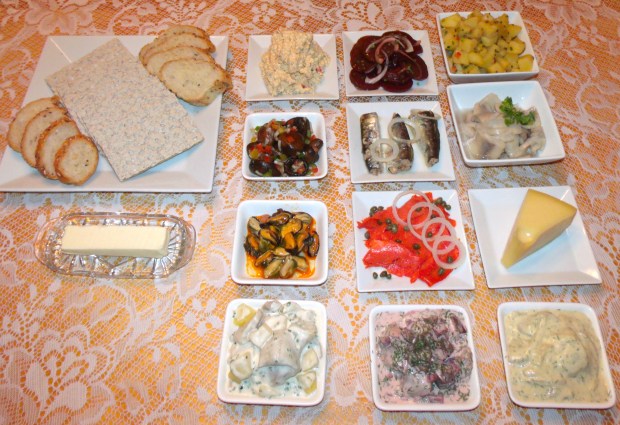
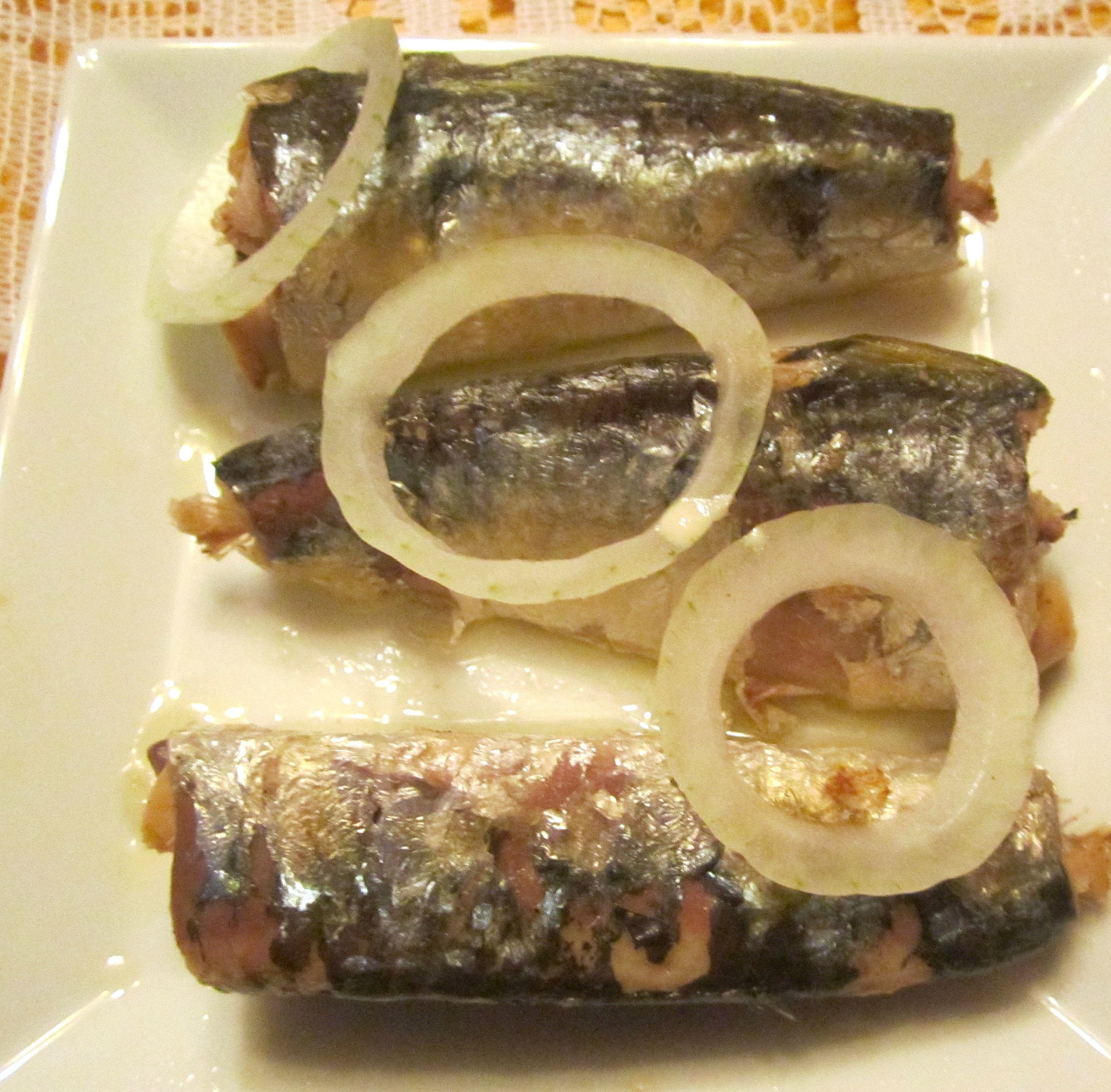
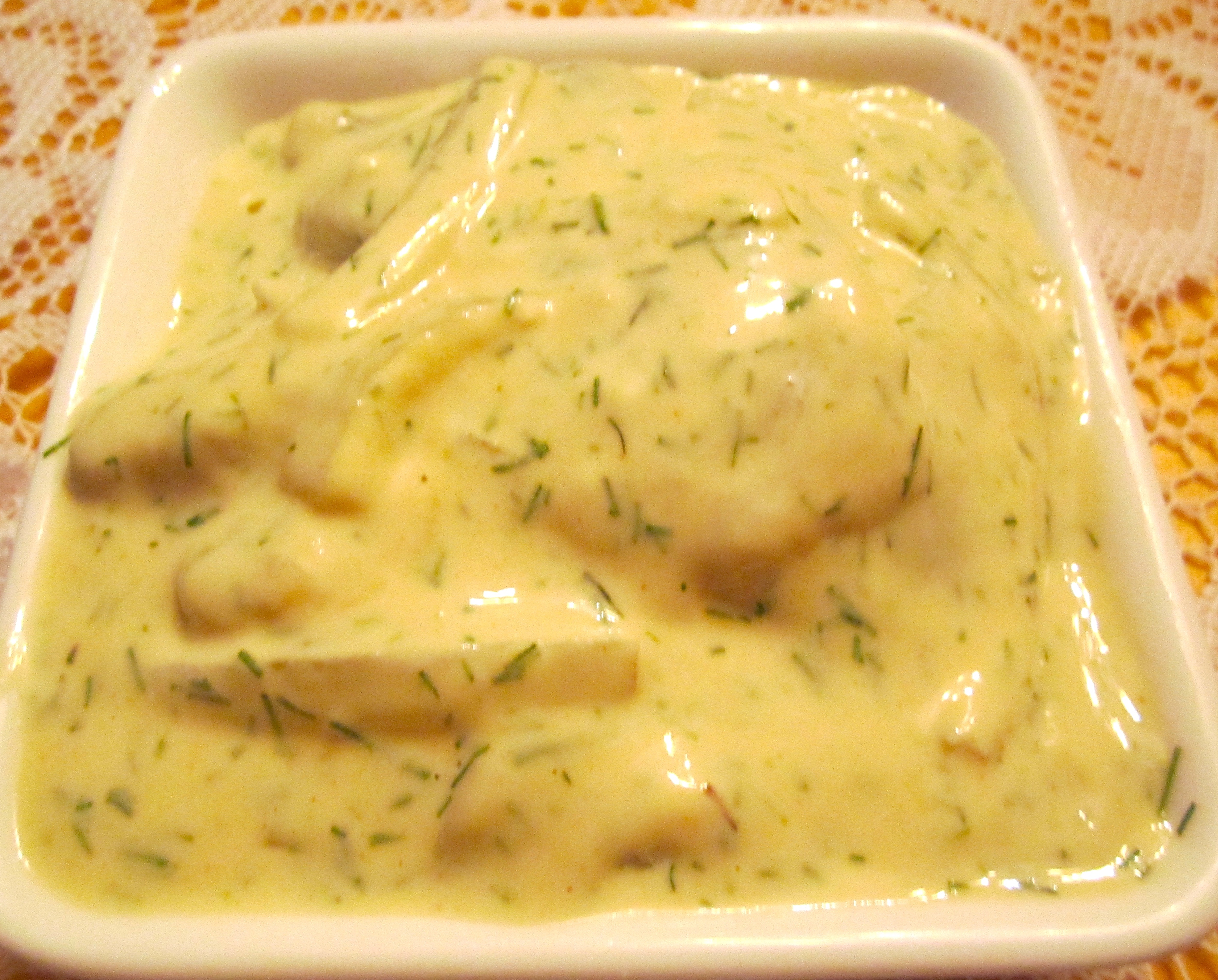
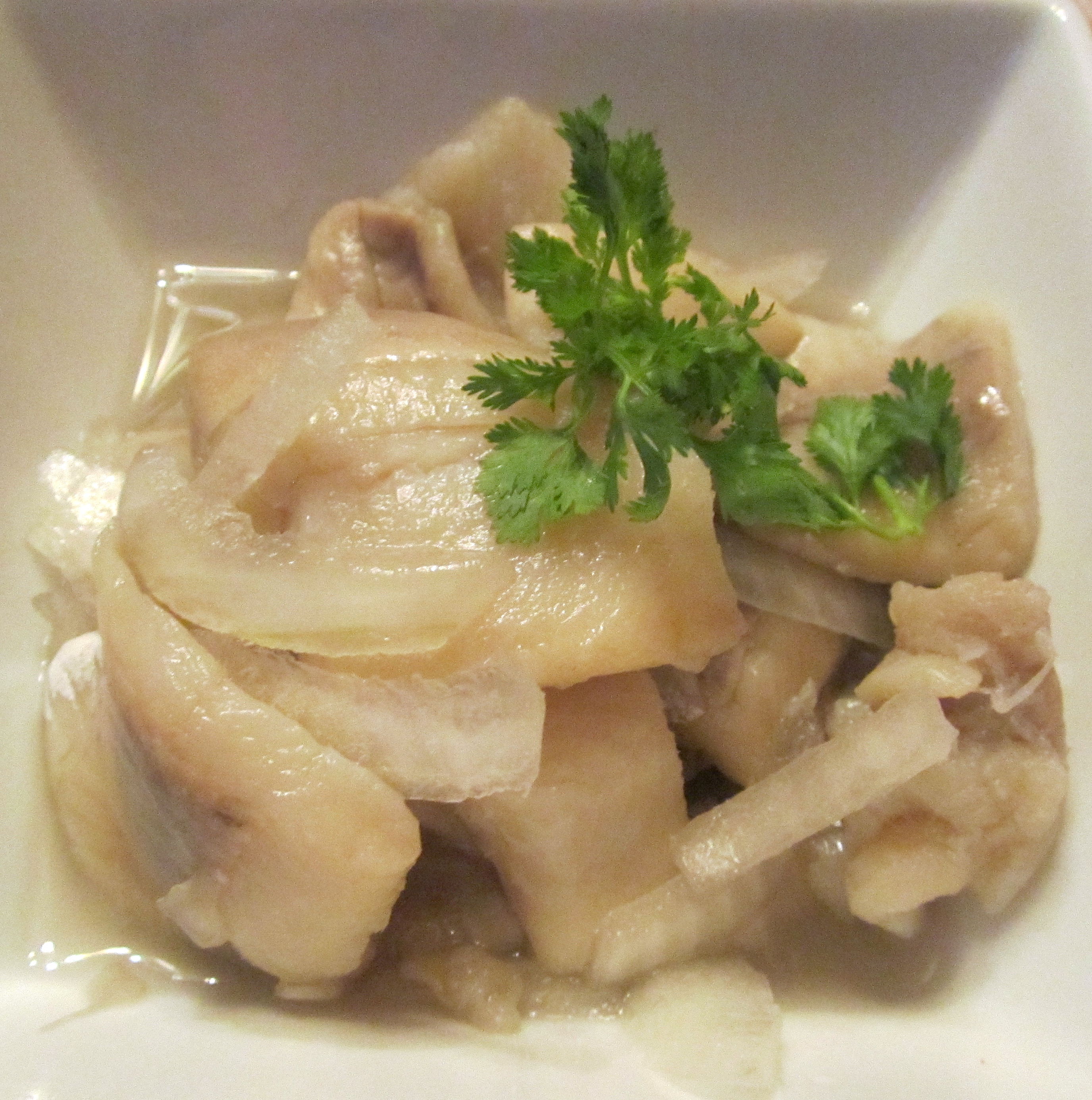
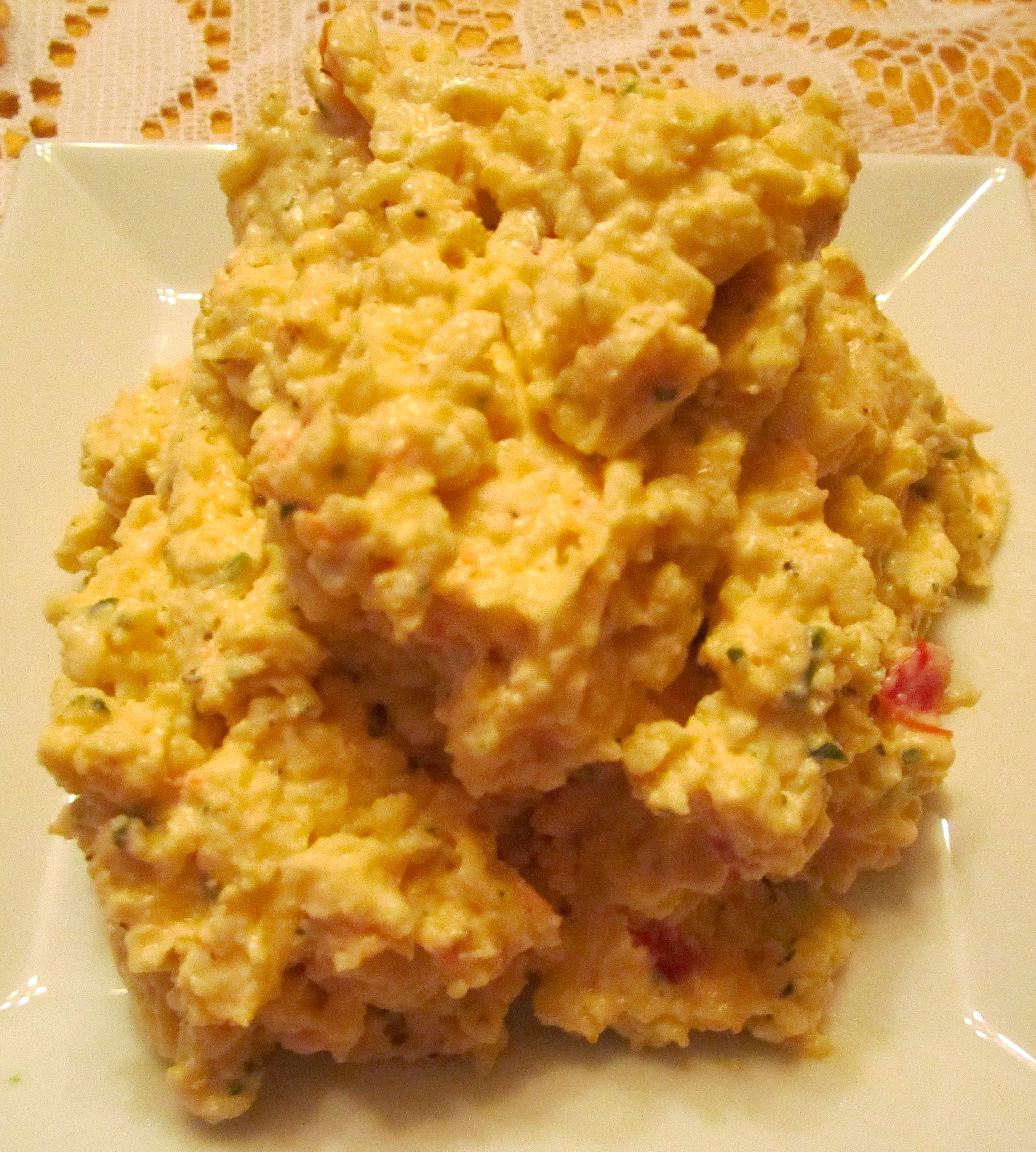
Where else than in my house can you find a Smörgåsbord for one ?
Smörgåsbord is a scandinavian buffet, usually consisting of seafood,
meats, starches, preserves, bread’s; sometimes using both hot and cold dishes,
sometimes, for a more simple version, cold dishes only.
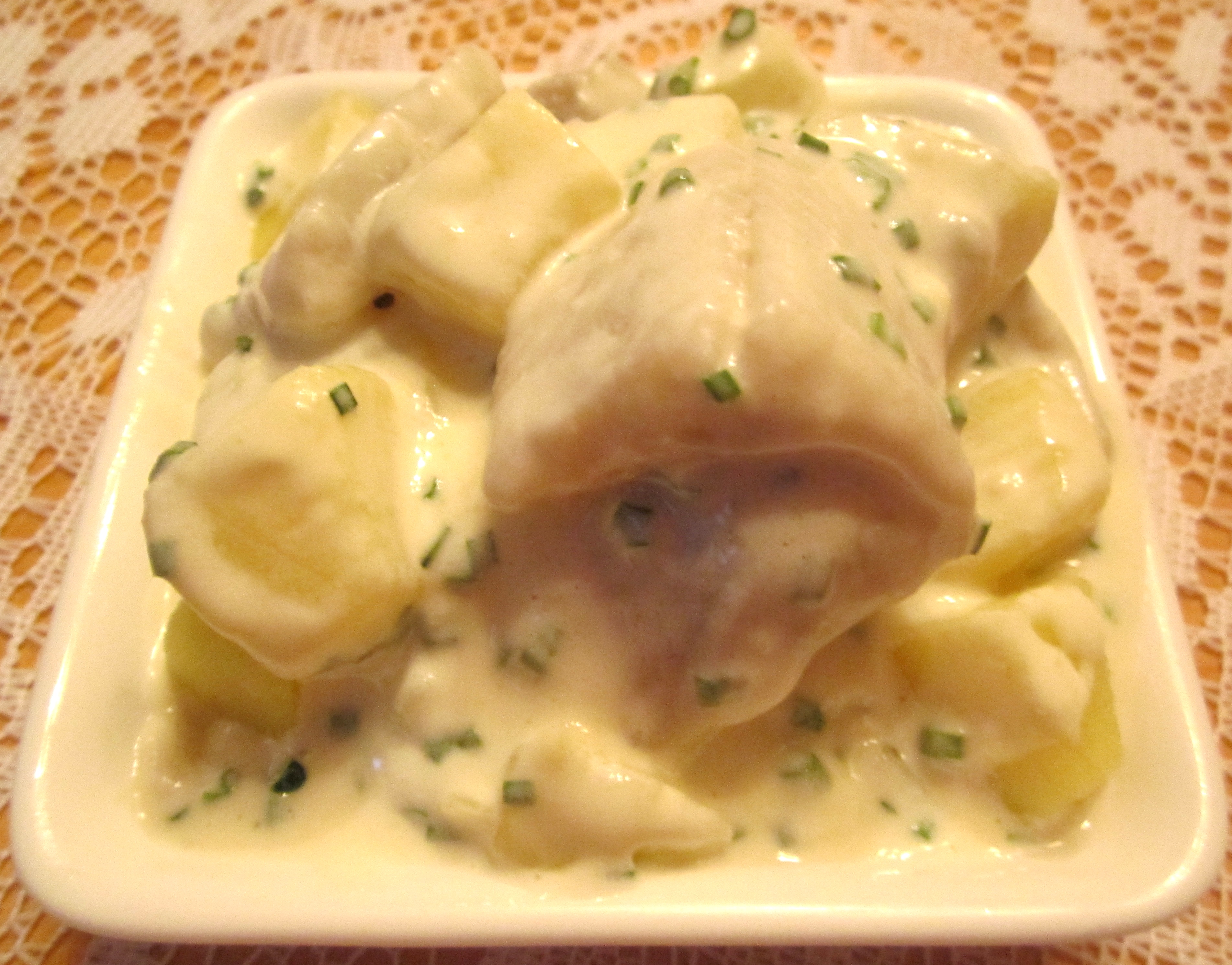
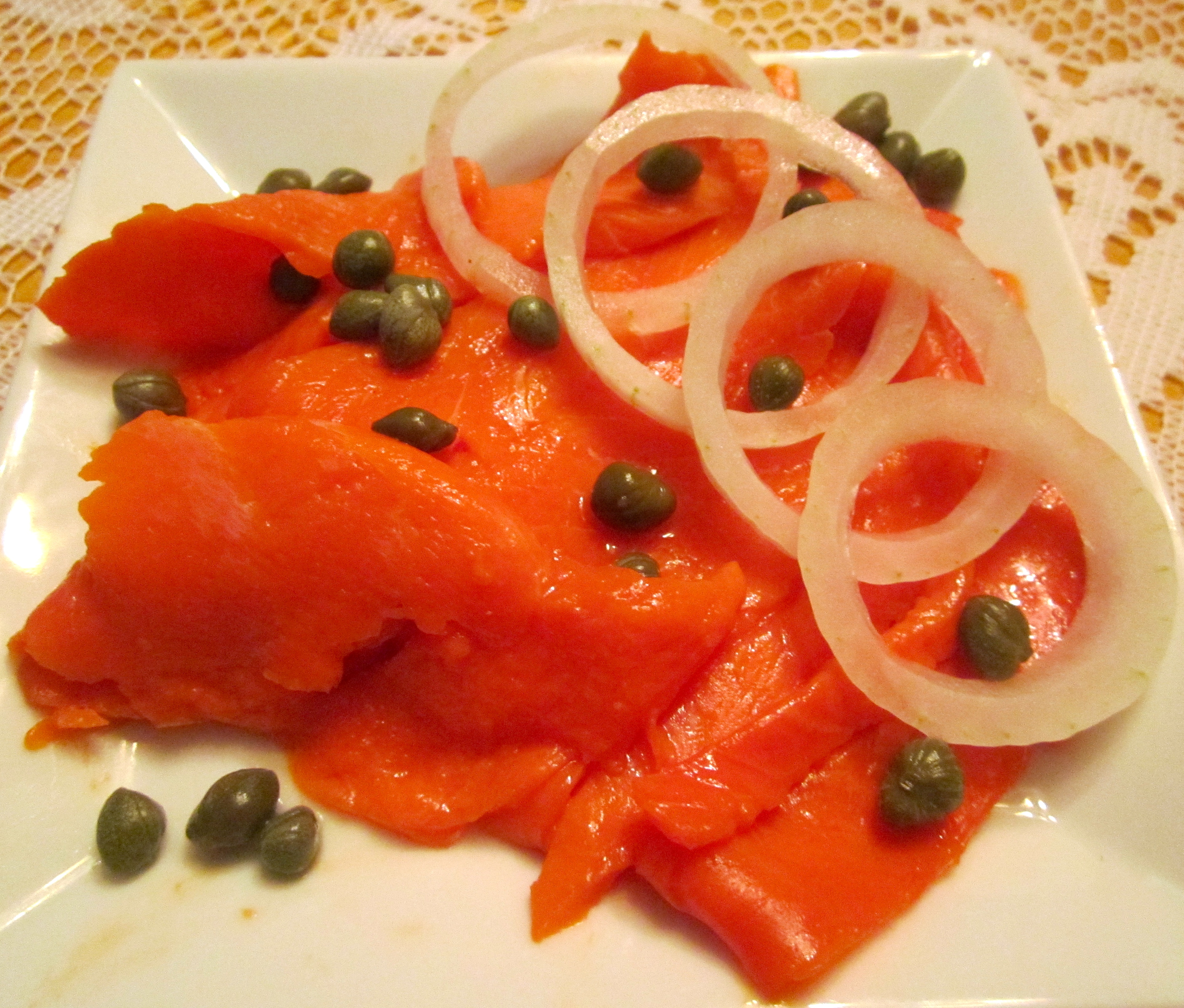
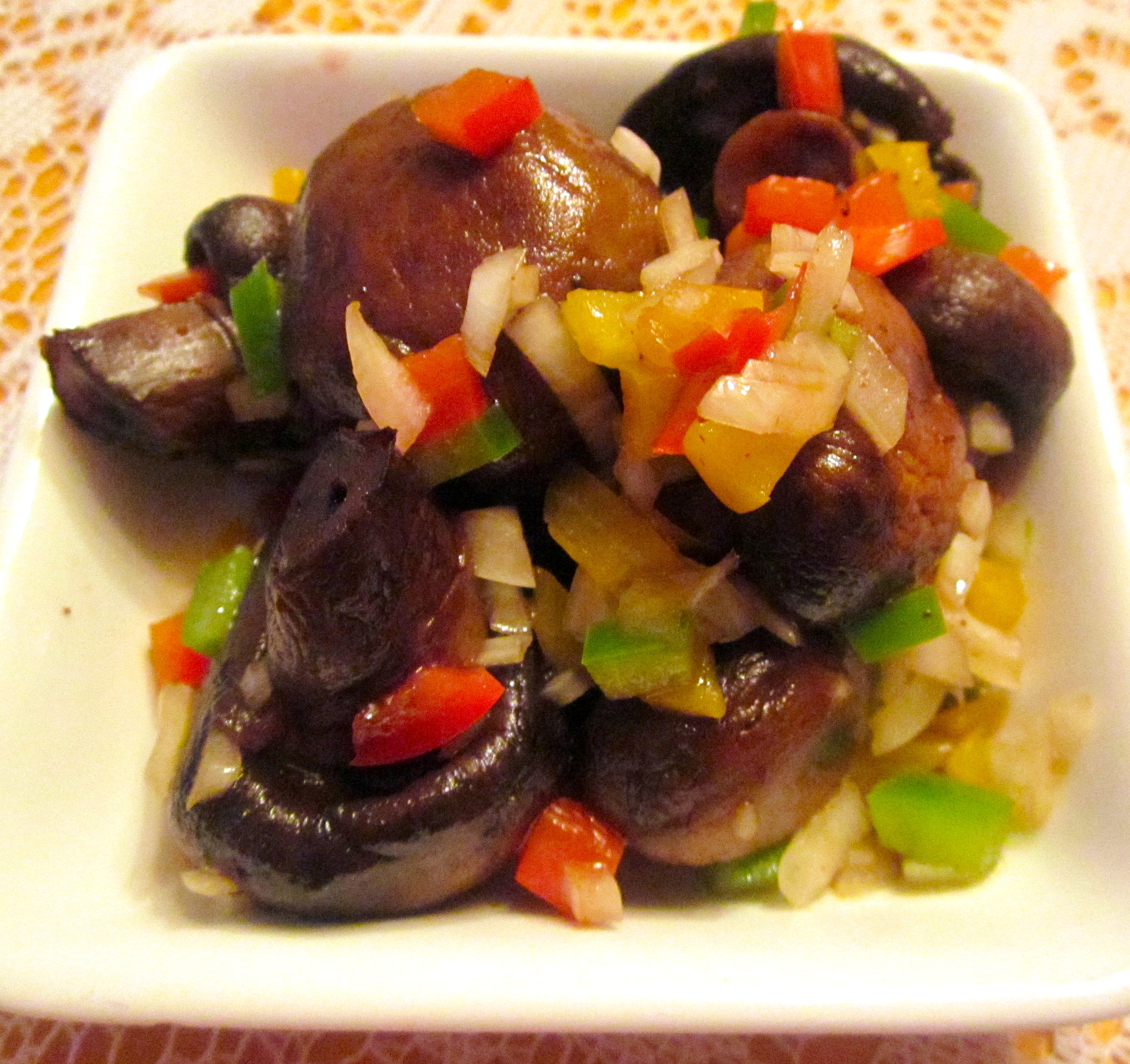
Here is the version I enjoyed for dinner last night :
.

.

.
Smaklig Måltid !    Bon Appetit !

.
.

” Why would anyone EVER EVER EVER use those crappy pre packaged corn taco shells ???? Yeesh !!! “

.
.
Dear Friend’s
In response to my post :  ”  Tacos Al Camaron ” ,
the following esteemed comment was posted by a young lady who obviously knows and loves her food and with whom I basically wholeheartedly agree :

.

.
”  Why would anyone EVER EVER EVER use those crappy pre packaged corn taco shells???? Yeesh!  “

Dear Friend’s
In response to my post : ” Tacos Al Camaron ” ,
the following esteemed comment was posted by a young lady who obviously knows and loves her food and with whom I basically wholeheartedly agree :
.
” Why would anyone EVER EVER EVER use those crappy pre-packaged corn taco shells???? Yeesh! “

Whilst I agree with the reader that freshly made tacos are (usually) a tremendous improvement over ready-made products, my reply below should help to clarify a bit about how and why I enjoy food the way I do and most of all, how and why I choose the content I put on my Blog :

Dear disgusted reader of ChefsOpinion. First, let me assure you that I agree with you inasmuch that ” freshly made anything” is usually better than crappy ” store bought anything “.

Although I am in no way an expert on Mexican food, I’d like to tell you that I lived for a year in Mexico while I was married for the first time, back in the seventies.
Then In the early 2000’s, I went back to Mexico, where I was in charge of the food operation’s (at the same time) of three high-class boutique hotels, as well as one five-star Westin hotel and one four-star Sheraton hotel, all in the Yukatan, Mexico.
I am a huge fan of Mexican food and have certainly had my share of the good, the bad and the ugly.
I have had the finest tacos in the best restaurants and in the grimmest joints and at any place in between.
I have taught hundreds of cooks and thousands of culinary students about tacos, tortillas, flautas, burritos, you name it, I’ve done it.
However, when it comes to ChefsOpinion, I try to have a good time with like-minded folks who “GET IT”.
Good food is what we enjoy to eat; What is practical at the moment, what makes economic sense and what’s the best you can do whilst your time is extremely limited.
What I try to do on my blog is to share and discuss food and food-related issues with a broad range of folk’s, from culinary students to hobby cooks to perfectionists.
Also with old warrior’s like myself, who have seen it all and done it all, who are maybe just a bit more tolerant to situations where we must substitute with a lesser ingredient for some reason, or when we are just too damn exhausted to move another finger.
If I had a choice I would eat and drink only the best, freshest, most refined, most exquisite food and drinks available.
While I was privileged to live in that ideal world for most of my professional life, there were and there are situations when a sudden lust for a specific food or drink can sometimes require a quick fix just to take care of that overwhelming craving.
I have been immersed in this wonderful world of food service for 45 years. I have been in charge of meals for kings and queens, heads of states, the famous and not so famous. I am certainly aware of quality and perfection for which we should strife whenever possible. However, at this point in my life, I have just started a new job which keeps me away from my home for 11 hours. I live alone with my dear dog Bella, so before I take off for work at 5.00 am, there are already two solid hours of me getting ready for work, taking care of Bella for an hour, walking her, playing with her, trying to keep her from chasing the neighbors cat’s, etc.
When I come home at 5.00pm, my first priority is to take Bella for a long walk.
Then on to take care of the blog, usually for about three hours. Then cooking dinner, taking pic’s of the food for the next post, enjoying dinner, cleaning the kitchen, walking Bella for another hour. By the time I finally get to rest it is usually 12.30 am.

So then, please, forgive me for using pre-made tacos (They were actually very good, all things considered). The folks who will use the pre-made stuff will enjoy a quick and easy to follow food inspiration. The folks who are a bit more dedicated to only the best will no doubt spent the extra time and effort to produce awesome fresh tacos.
Hopefully, in the end, “Life is Good” for everybody. 🙂

So then :
Why would anyone EVER EVER EVER use those crappy pre-packaged corn taco shells???? Yeesh!

Because sometimes………

P.S.
Have you noted the store bought! mayo in the picture ? Yeesh! 🙂
.


.

” Sadza ne Nyama ye Huku ” Zimbabwean Porridge with Chicken Stew

.
.
Last night’s Zimbabwean style dinner.

If you don’t read the name of the dish but only the recipe, you might think I was dining on portuguese food. That’s because portugal had a large influence on shaping the traditional Zimbabwean cuisine. I don’t want to go into the political/ historical aspect of that time, so let’s just stick to the food. Chicken stew with tomatoes has been cooked in many countries around the world for centuries,and so has corn, which was introduced to Zimbabwe ( formerlySouthern Rhodesia), by the Portuguese way back then. Fried cornmeal is still a very popular side dish in Portugal and so is chicken stew with tomatoes. Since I did not have white corn meal in my pantry, I used yellow corn meal. Different color, same texture, taste and pleasure  🙂
.

.


.

Excerpts from ifood.tv :
Sadza

” Sadza or sadza re chibage is an African version of porridge produced from cornmeal, mielie meal or maize meal and water. It forms the essential carbohydrate portion of African meals and is consumed in different forms in almost every African region. Due to the large variety of cultures and languages in the African subcontinent, the dish has a variety of names. For example, the local shona name for the porridge is Sadza in Zimbabwe while the local tribal Ndebele name for the same dish is isitshwala. In South Africa, the same dish is referred to as Mielie Pap while the Zambians refer to it as Nshima.  The dish is given another name in Eastern Africa including the states of Kenya and Tanzania where it is named Ugali. In the tiny state of Malawai, it is referred to as Sima. Furthermore, a large variety of cooking techniques are used along with different recipes to make the same dish.

History

Originally, a porridge made from millet formed the essential carbohydrate component of every African meal. Millet was a staple crop in the continent and it was easy to grind to produce millet flour. However, Kenya started actively growing corn which was exported to every state in the African continent. The grain was then ground to produce cornmeal and used to make a thick porridge which slowly replaced millet porridges in meals.

Ingredients and Preparation

White corn meal or mielie meal is now commonly used to produce the sadza but a few versions do use yellow cornmeal too. Yellow cornmeal is commonly referred to as KENYA as it was originally imported from Kenya. If mealie meal cannot be found, cream of wheat, or Pillsbury Farina flour can be used.  The actual method of preparation varies considerably but modern methods add the mielie meal to the water to mix it well. This paste is then poured into boiling water and cooked on a high heat continuously. As the sadza thickens, more mealie meal may be added. The sadza is done when the mixture pulls away from the pot and forms a ball. Traditionally, salt is not used to season the dish.

Serving

Sadza is prepared and served in a communal bowl from which each diner can serve himself. It can also be served in separate individual bowls from where diners pinch up small amounts, roll them into balls and then dip them into meat sauces, gravies, soya chunks, pumpkin leaves, sugar beans, spring beans or vegetable stews for consumption.

Popular Variations

Krummelpap is a South African version of Sadza prepared by ” ……….   Read more HERE
.

Sadza:

4 cups water

1 teaspoon kosher salt

2 1/2 cups white cornmeal

1. Pour three cups water and the salt into a large pot and bring to a boil. Combine 1 1/2 cups of cornmeal with the water, stir well and set aside.

2. Reduce heat of boiling water to medium low and add the cornmeal and water mixture, stirring constantly. Cook for two to three minutes.

3. Slowly shake in the remaining cornmeal, mixing all the while. Stir constantly as the mixture begins to thicken and pull away from the pot, approximately one minute. Immediately transfer to a separate bowl and use a wooden spoon to shape it into a round shape. Allow the sadza to cool slightly, then carefully use your hands (wet them if necessary) to pull off bits of the sadza, shape if desired, and serve with the stew.


Chicken Stew
:

2 yellow onions, diced, divided

2 tablespoons fresh minced ginger, divided

3 cloves garlic, minced

3 pounds vine tomatoes, seeded and chopped

1/4 teaspoon cayenne pepper

1/2 teaspoon black pepper, plus 1/4 teaspoon to season the chicken

1 1/2 teaspoons chili powder, plus 1/4 teaspoon to season the chicken

1 1/2 teaspoons kosher salt, plus 1/2 teaspoon to season the chicken

2 pounds chicken thighs, boneless and skinless, cut into 1″ pieces

1/4 cup chopped fresh parsley

1 bunch scallions, chopped

Vegetable oil

1. Coat a large, shallow pan with about two tablespoons of oil over medium high heat. Once hot, add two-thirds of the garlic to the pan and cook for about one minute. Toss in three-quarters of the onions and two-thirds of the ginger, cooking until the onions turn translucent, approximately 3-5 minutes.

2. Turn the heat up to a high flame and stir in the cayenne, black pepper, chili powder and salt. Cook another 2-3 minutes. Add the tomatoes and cook for 10-15 minutes, mashing them down every once in a while. Reduce the heat to low and simmer another 10-15 minutes, continuing the mash the tomatoes.

3. While the tomatoes cook down, pull out a separate, heavy pot. Coat the bottom with another two tablespoons of oil. Once hot, toss in the remaining onions, ginger and garlic and cook until the onions have turned translucent, approximately 2-3 minutes. As the onions and seasonings cook, season the chicken with the extra black pepper, chili powder and salt. Add the chicken to the pan and brown for approximately 3-4 minutes. Turn off the heat and set aside.

4. After the tomatoes have stewed, carefully scrape them into the cooked chicken. Add one cup of water, turn the heat to low and cover. Simmer for 20-25 minutes. Stir in the parsley and scallions and cook another 5 minutes.
>
Bon Appetit !   Life is Good !

.

.
” What Is A Real BBQ ? ” Part 3

Originally posted by Russ Ito on Salon Piquant
Re-blogged with permission of Ross Ito
>
The best thing about The Food Network in the summer is that you only have to watch 10 minutes of any show, and you’ll know what 95% of the programming that night will be: BBQ. The mind-numbing monotony of these shows is astonishing: Hour after hour devoted to this pit versus that smoker. After a few minutes, it’s all a blur of: rubs, rings, and burnt ends; of mops, barks, and slaws. And geographically, it’s as if The Food Network doesn’t know that the Louisiana Purchase happened: The coverage is stuck in the South-east and Deep South, as if no one west of the Mississippi ever cooks meat over fire.

As someone who grew up in a Japanese household, I’ve never been a big fan of “traditional,” American BBQ, finding it far too dense and cloying. I much prefer the lighter styles of BBQ from Asian cuisines, including: Japanese, Korean, Chinese, Vietnamese, Thai, and Indian. All of these cultures are part of American society – and make great BBQ, but they never appear in TFN’s summer programming. Perhaps TFN thinks they’re too exotic to appeal to their audience, or maybe it’s more ideological.
.
The imu — the original “pit BBQ.” How about it TFN?

.

The Taliban wing of the BBQ cult would, no doubt, sniff that the Asian approach is: “not true BBQ.” To them, BBQ means: “low and slow,” long cooking over low heat. By their reckoning, most Asian “BBQs” are just “grilling,” i.e., fast cooking over high heat. OK, fair enough, but even if you accept that, the Polynesians were slow-roasting whole pigs in hand-dug pits for centuries (maybe millennia) before anyone started warming up a pit in Kansas City or Charlotte. So why don’t you ever see that on TFN?
And does it really matter? Isn’t it just rhetorical? Every culture has its own way to cook meats over fire, whether that’s in an imu, on a grill in a hibachi, or on a skewer in a tandoor – and all of these are part of American cooking! Jacques Pépin often talks about the diversity of American food choices as something that still excites him about food here versus in his native France: “One day you can have Turkish, the next Vietnamese, the next Italian, the next… Ethiopian! It’s great!” BBQ/grilling isn’t the mono-culture TFN would have you believe; it’s as diverse as American culture itself. It’s time TFN woke up!
So come on, TFN, break out of your comfort zone, and mix it up! There’s a lot of great BBQ happening west of the Mississippi, and guess what? Those states are all part of the union, too! Asian flavors are part of the American palate, so include them!
Of course, TFN isn’t going to listen to my ravings. They’ll pack this summer’s schedule with hour after hour of rubs and mops, and familiar arguments over briskets versus pork shoulders. I’ll watch ten minutes, and know I’m not missing anything. And besides, I’ll be spending most of July watching the Tour de France, anyway!
.
.

” What Is A Real BBQ ?! ” Part 1

.
.

In my humble opinion,

these days’ the word BBQ means different things to different people.
I have lately come to the conclusion that to the majority of folk’s BBQ describes a social gathering of one or more people, the main purpose is to cook out in the open, enjoy the weather, food and company. (Even BBQ restaurant’s used to cook their food outside).
Since each region, restaurant, family and grill cook swears that their version (smoking, grilling, open fire, covered grill, etc) is the gospel, describing BBQ as a cooking method seems rather futile to me .
However, I had many a chef getting his / her knickers in a twist discussing what BBQ actually and REALLY means, so I just accept whatever is the explanation of the day.
( Even the origin of the word Barbecue seems to have different proponents ).
If I take my classical french training into consideration, you have the cooking methods :
Grilling (never covered), Smoking (always covered) Jerking ( a combination cooking metod, since we grill, smoke and steam at the same time) and “the way of Life BBQ”, where we use any cooking method traditionally employed in our area and / or backyard, invite a bunch of friend’s and family over and have smoked, grilled, jerked food, maybe a barrel of beer and lot’s of fun.
BBQ – happy cooking outside, whichever way, as long as you are having fun !    🙂
Please give us your opinion in the poll below.

Live is Good !


.

Brussels Grill: Mixed vegetables

Brussels Grill: Mixed vegetables (Photo credit: batigolix)

Beef and Corn on a Charcoal BBQ grill

Beef and Corn on a Charcoal BBQ grill (Photo credit: Wikipedia)

Some chicken, pork and corn in the barbeque

Some chicken, pork and corn in the barbeque (Photo credit: Wikipedia)

English: a typical offset bbq smoker

English: a typical offset bbq smoker (Photo credit: Wikipedia)

English: Image of a propane smoker in use. Dia...

English: Image of a propane smoker in use. Diagrams the elements. (Photo credit: Wikipedia)

English: Preparing grill for grilling, grill w...

English: Preparing grill for grilling, grill with flames and cones. Česky: Příprava grilu pro grilování, gril s plameny a šiškami. (Photo credit: Wikipedia)

English: Chicken wings being cooked slowly ove...

English: Chicken wings being cooked slowly over charcoal ashes. (Photo credit: Wikipedia)

English: "Little Chief" food smoker,...

English: “Little Chief” food smoker, popular in the Pacific Northwest for home smoking of fish and meat (Photo credit: Wikipedia)

Pork steaks cooking over a charcoal fire

Pork steaks cooking over a charcoal fire (Photo credit: Wikipedia)

English: A barbecue on a trailer at a block pa...

English: A barbecue on a trailer at a block party in Kansas City. Pans on the top shelf hold hamburgers and hot dogs that were grilled earlier when the coals were hot. The lower grill is now being used to slowly cook pork ribs and “drunken chicken”. (Photo credit: Wikipedia)

Can't claim credit for this cooking, my friend...

Can’t claim credit for this cooking, my friend Paul was responsible. (Photo credit: Wikipedia)

This is a traditional asado. The picture shows...

This is a traditional asado. The picture shows ribs grilled in the traditional Argentinean way. The meat is on top of the grill and the charcoal or wood at low fire under the grill. (Photo credit: Wikipedia)

Deutsch: Bratwürste auf einem Grill

Deutsch: Bratwürste auf einem Grill (Photo credit: Wikipedia)

Español: Cocinando carne para hamburguesa al g...

Español: Cocinando carne para hamburguesa al grill. (Photo credit: Wikipedia)

Barbecue

Barbecue (Photo credit: Johann Richard)

The smoking setup - left

The smoking setup – left (Photo credit: ntang)

Pork ribs being smoked

Pork ribs being smoked (Photo credit: Wikipedia)

Cooks remove racks of herring from a tradition...

Cooks remove racks of herring from a traditional smokehouse (Heringsräucherei) (Photo credit: drakegoodman)

English: Barbecue grill trailer and church, In...

English: Barbecue grill trailer and church, Index, Washington. (Photo credit: Wikipedia)

.
.


.
.