Grab Bag

” Rose Petal Ice Cream “

.
.

 by  on July 5 2012 in DessertsFeaturedRecipe

While not a prevalent flavor in the United States, rose is fairly common elsewhere. Across the Middle East, particularly Iran, it is used to flavor all manner of sweets. Ice cream is the only use of rose in food that I have found palatable. Rose candy tastes like grandma’s perfume to me, and rose scones just taste wrong. But the ice cream gives a nice rounded sweetness that is just right for such a delicate flavor. The rose petals themselves are not really potent enough to stand up to the amount of sugar and cream that ice cream requires, so it’s fleshed out with rose water.

Rose water can be found at most Middle Eastern grocery stores and at specialty stores. The potency of the rose water will vary from brand to brand, so you may want to start of by whisking in one teaspoon at a time until you are satisfied with the flavor. I used Nielson-Massey, which is pretty strong.

Rose petals should be unsprayed, or organic. The best would be from a friend or neighbor, as they would be the freshest. Otherwise try natural foods stores or a florist/nursery specializing in organic flowers.

Rose Petal Ice Cream

Using the method found in Jeni’s Splendid Ice Creams 

Makes about 1 quart

Ingredients

  • 1 cup packed  petals from organic or unsprayed roses (30g)
  • 2 cups milk (475ml)
  • 2/3 cup sugar (150g/5.5oz)
  • 4 tsp corn or tapioca starch
  • 1 tsp beet powder (optional—this will give it a nice light pink color)
  • 3 tbs cream cheese, room temperature (1.5 oz/45g)
  • pinch of salt
  • 2 tbs corn or tapioca syrup (30ml)
  • 1 1/4 cup heavy cream (300 ml)
  • 2-4 tsp rose water (10-20ml)

Method

  1. First, get your bowls ready. In a small bowl, whisk the corn or tapioca starch (and the beet powder if using) with 2 tablespoons of the milk until a smooth slurry is formed. In a medium bowl, whisk the cream cheese and salt until smooth. Fill a large bowl with ice and a small amount of cold water. Place a mesh sieve over an empty medium bowl.
  2. Coarsely chop the rose petals. In large saucepan, toss in the petals, the remaining milk, the cream, sugar, and corn or tapioca syrup. On medium-high heat, bring the mixture to a rolling boil. Set a timer for 4 minutes (timing is very important). After the four minutes, remove from the heat and gradually whisk in the slurry. Bring the mixture back to a boil and cook, stirring frequently, until slightly thickened, about 2 minutes. Remove from the heat. Pour the mixture through the sieve and press against the rose petals to extract as much milk as possible. Discard the petals.
  3. Ladle a bit of the hot milk into the cream cheese and whisk until smooth. Gradually whisk in the rest of the hot milk. Whisk in the rose water one teaspoon at a time, adjusting to taste.
  4. Pour the mixture into a 1-gallon freezer Ziplock bag and seal. Plunge this into the ice water bowl and knead gently until the mixture is well chilled. Churn according to your ice cream maker’s instructions. Spread into a shallow container, cover with plastic wrap, and seal with an air-tight lid. Freeze until firm, about 3 hours. This will keep in the freezer for up to two weeks.
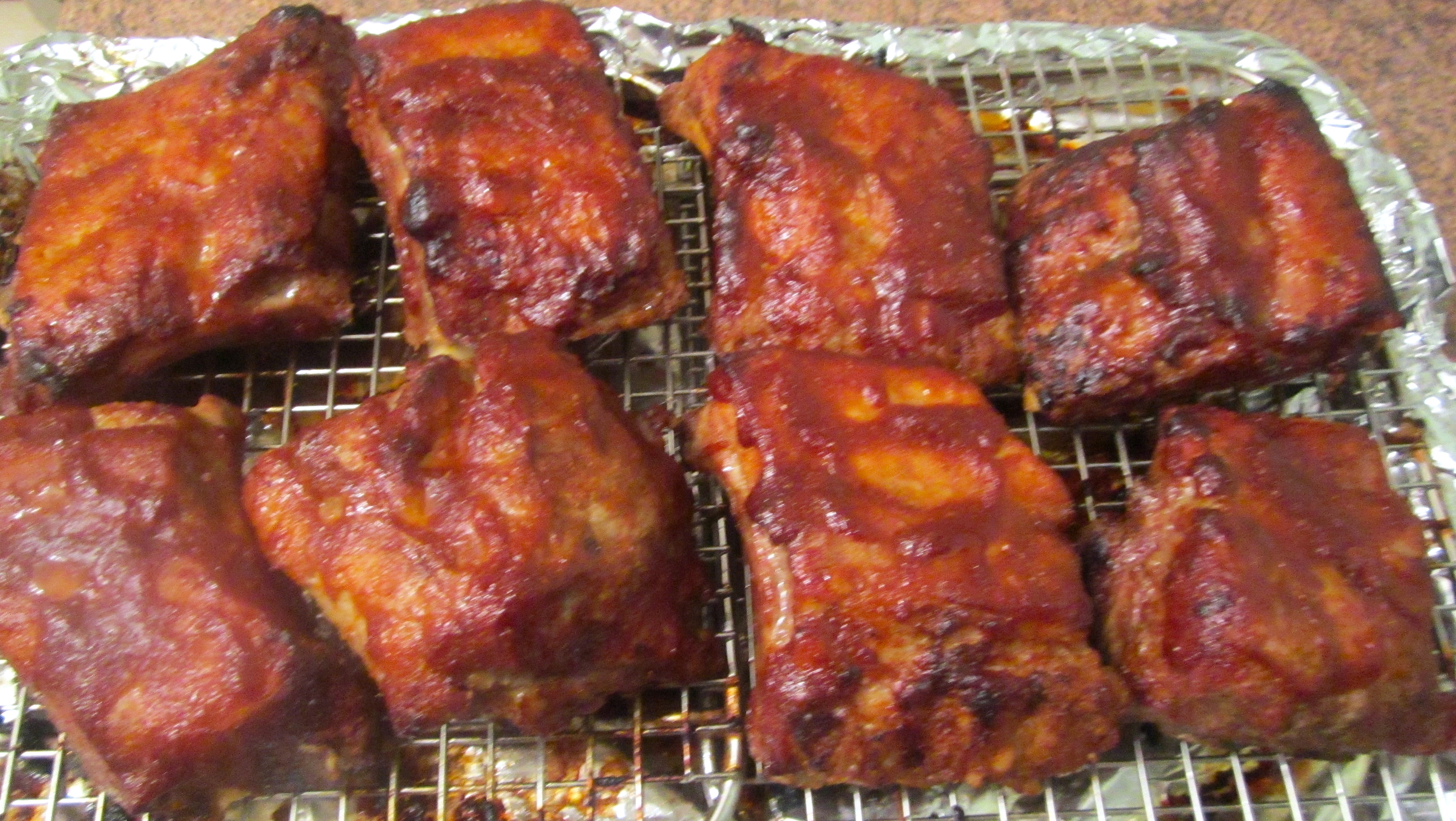
” My 4th Of July Dinner “

>

>
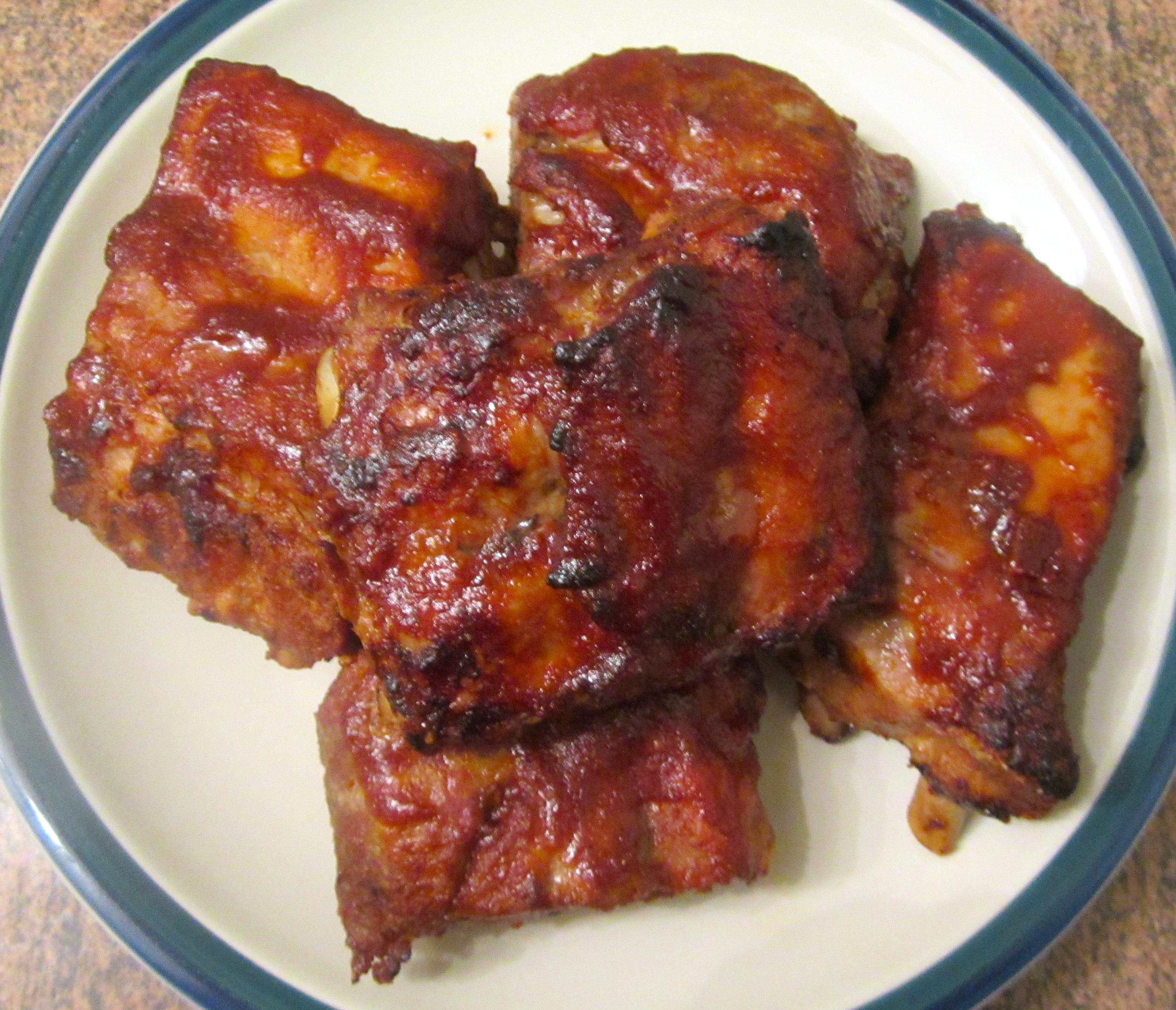
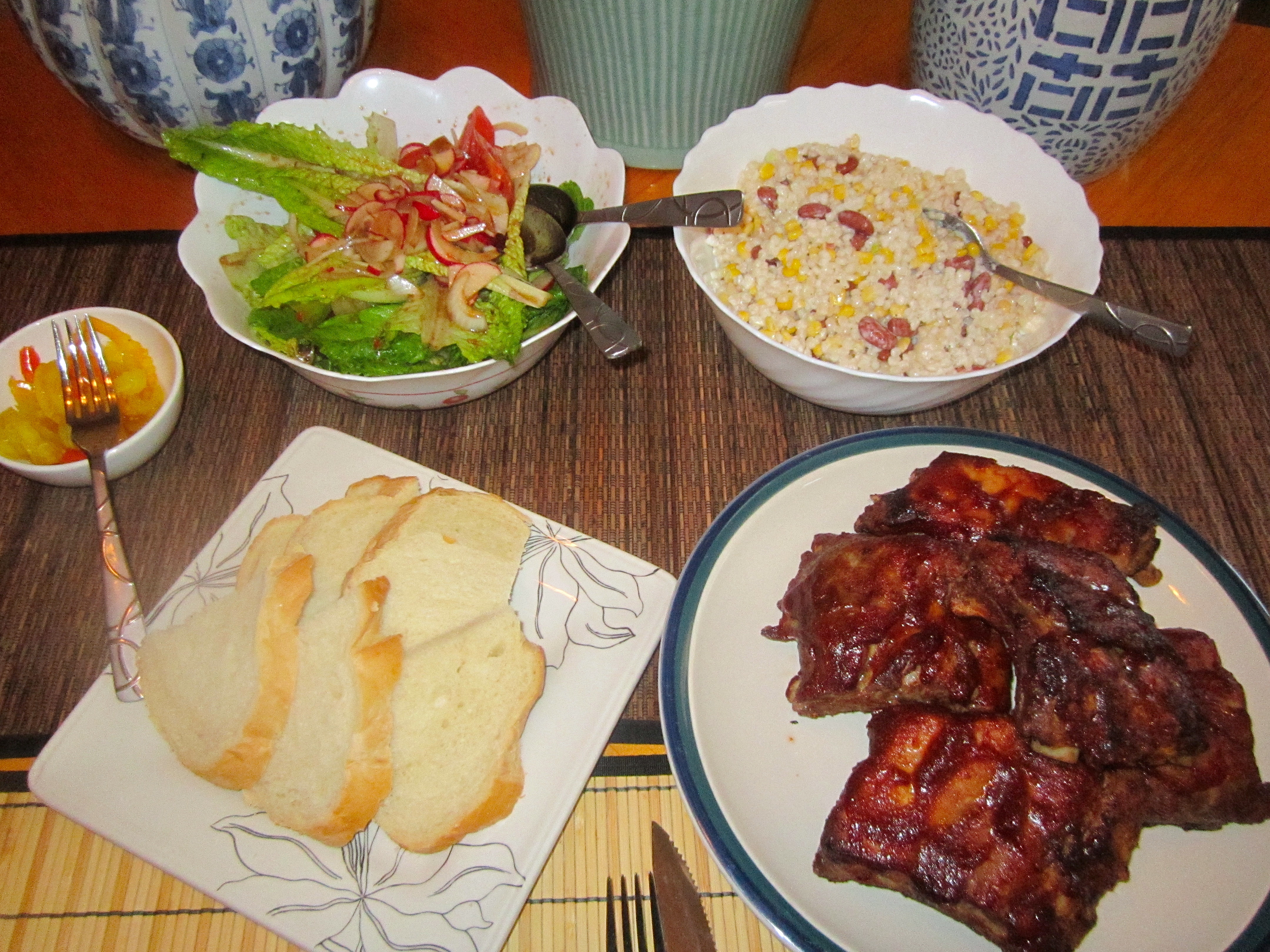
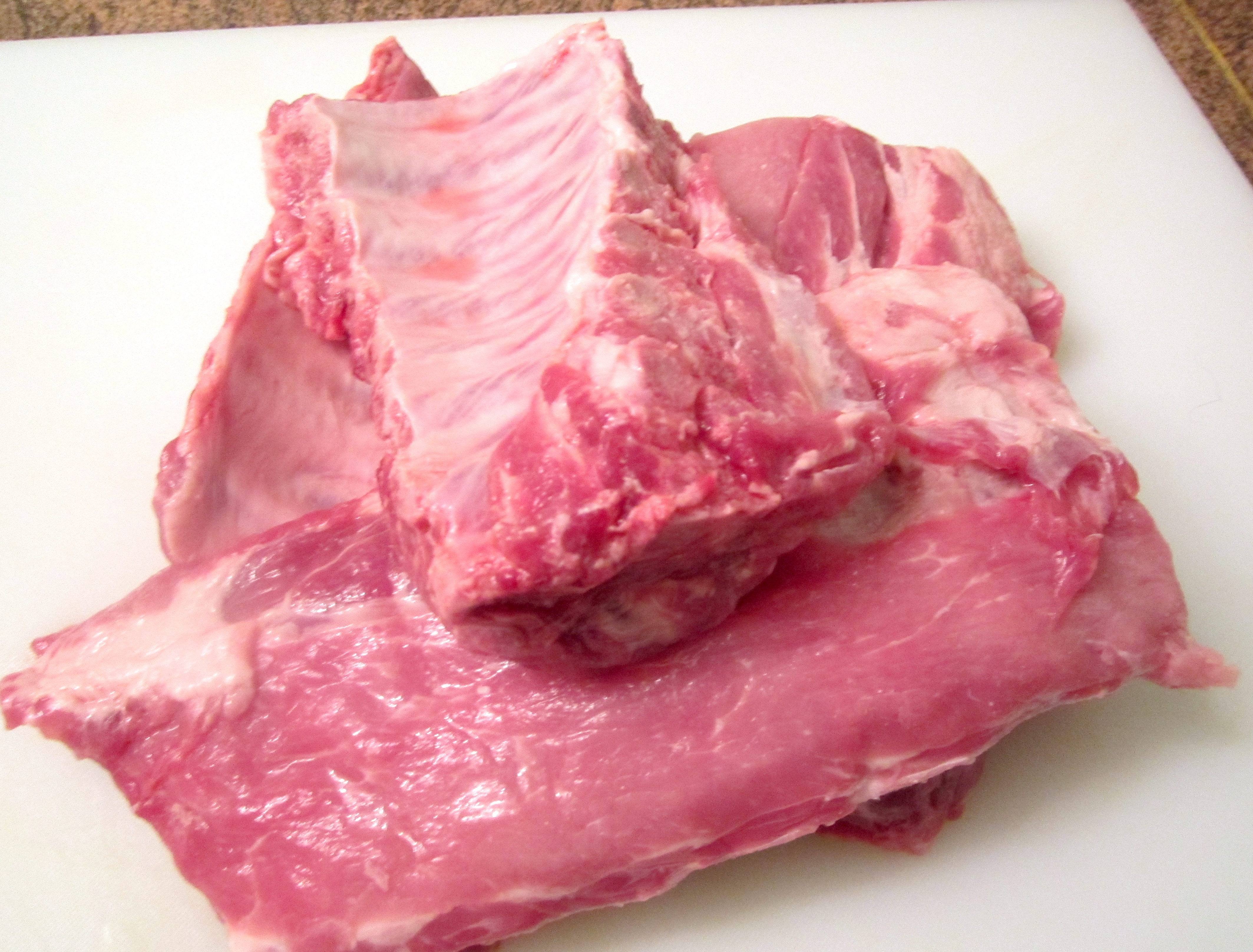
Very simple, very delicious.

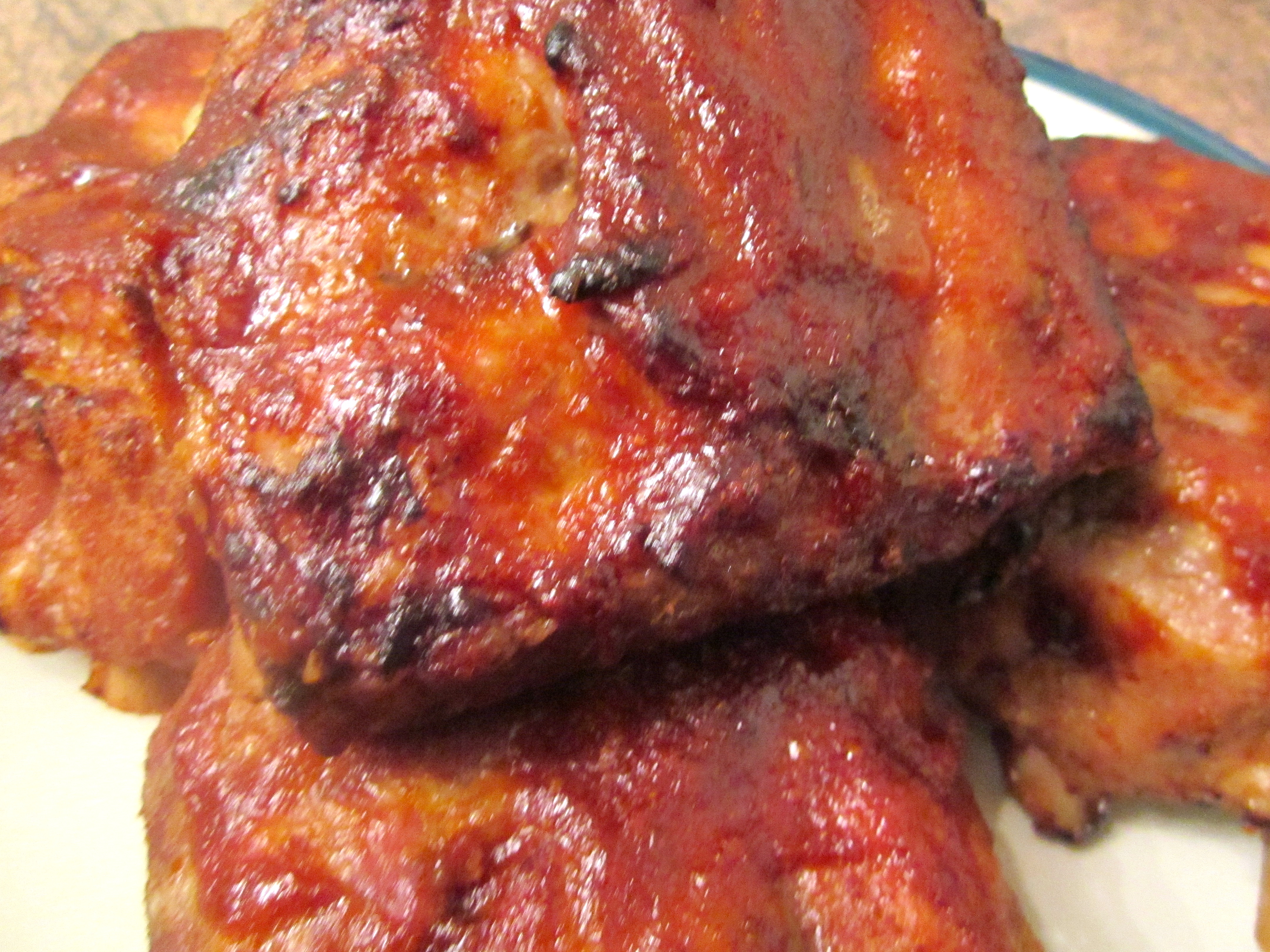
Baked ribs
Cous cous salad with corn and beans
Lettuce, tomato, reddish,onion, balsamic vinaigrette

Life is Good !
.


.

” 10 German Sausages To Know And Love “

.
.

A helping of sausage gets you through the wurst day

by Jess Kapadia on FoodRepublic
.

I learned a lot about sausage while reporting on
Germany’s Christkindlmarkts for Lufthansa USA.
I thought it was just a generalization that Germans live off them,
and that they had as many kinds of sausage as Eskimos have words
for snow (also a generalization, as I learned while researching
better ways to express Germany’s love of sausage). But it’s true.
They’re really serious about tube steak. And now I am, too.
Every region has its own particular riff on “sausage in a bun,
” like Nuremberg’s much-loved Drei im Weggla
(see slide 2) or the massive Thuringer, whose bun cannot hope to
contain it all. You can have your
sausage with potatoes or with kraut (hopefully both).
There’s a sausage for every morsel of every pig or cow,
as there should be. Here are 10 favorites I discovered wandering
around Germany’s outdoor Christmas markets.
.

                                                                                                                                                                Photo: kathryn_rotondo on Flickr

Knackwurst

Knackwurst, also spelled knockwurst, are short, thick sausages made of finely ground pork, flavored with plenty of garlic. The name comes from the German “knacken,” which means “to crack.” We’re assuming these sausages were named for the crackling sound the casing makes when bitten into, but it could very well be for their highly addictive qualities. Recommended served with sauerkraut and mustard.

9 more sausages HERE 

More about:

” Are Rare Steaks Really Better? A Butcher’s View “

.
.

I found this interesting story on “Huffpost”

Are Rare Steaks Really Better?: A Butcher’s View

Plus: A guide to different cuts’ ideal doneness

by Tom Mylan  June 19, 2012

In the game of food dork one-upsmanship, the rarer you order your steak, the more of a real gastronome you are—it means you like your meat good and a little dangerous, like it was meant to be. I always took this carnal orthodoxy as gospel; I mean, people who order their steak well-done deserve their own circle of hell. But…as much it pains my old, snobby self, I’ve started to prefer some of my steaks a little more towards the medium end of the spectrum than I’m completely comfortable with.

But why? Aren’t rare steaks juicier and more tender? Well, not necessarily. I started doing some experimenting—I’m no scientist, but even a knuckle-dragging son of a construction worker like me can learn a thing or two—and it turns out in some cases, cooking your meat a little more can make for better texture and flavor. Blame fat, collagen, and chemistry.

Ribeyes, for example, are downright gross when cooked black-and-bleu. I know there are probably a lot of old French guys rotating in their graves right now, but hold on—ultra-rare ribeyes are gross because all that luscious fat that rims the meat, the best part of the steak, doesn’t really render when barely cooked, making it weird and pasty.

In contrast, the prime ribs of my Reno, NV youth were slow roasted………. Read more HERE
.
.

” Tortillas With Egg, Chorizo & Veggies “

.
.
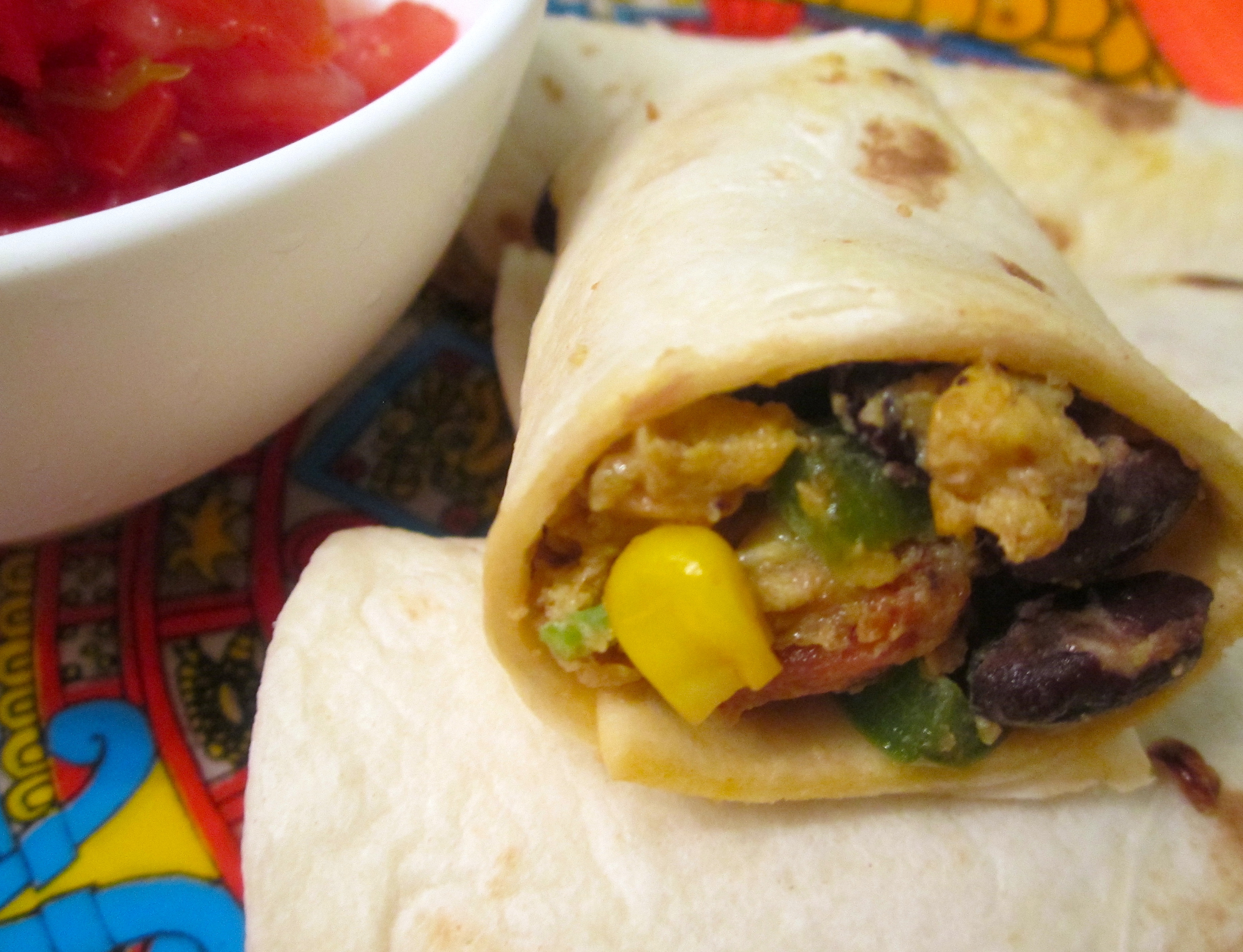
If  Breakfast – Good Breakfast !

Usually I am a coffe and bananas kind of breakfast guy, but today……
.


.
 Life is Good !     🙂

” Pommes Sarladaise, Greens & Grape Tomatoes “

.
.
Because it was a meat free day for me, I added mushroom to the potatoes.
Wonderful, tasty, very satisfying meal.

Potatoes,
Mushrooms,
Onions,
Garlic (plenty),
Duckfat (plenty),
Salt & Pepper
x
Romaine,
Grape Tomatoes,
Dijon Vinaigrette

Bon Appetit ! Life is Good ! 
.
.


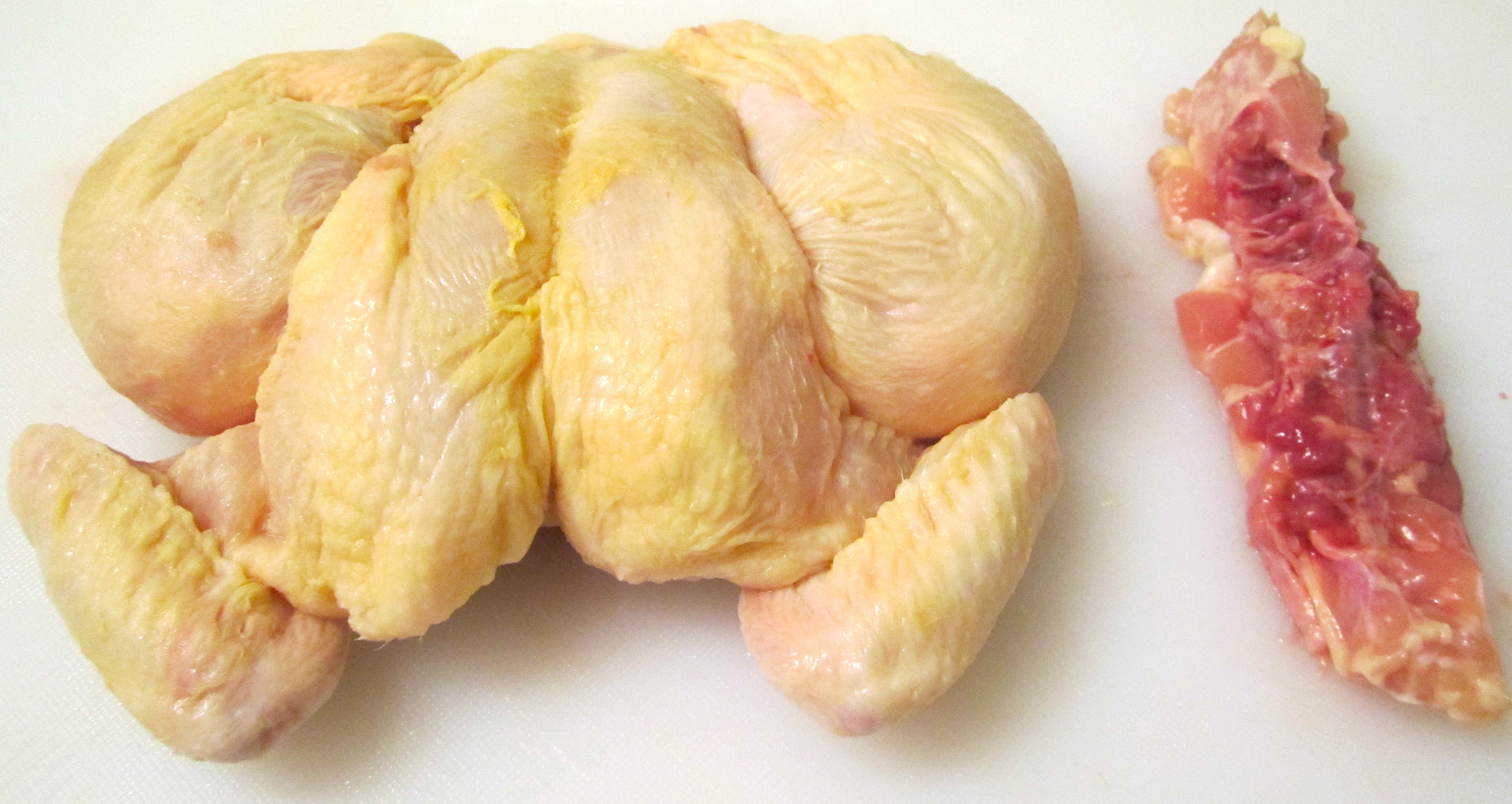
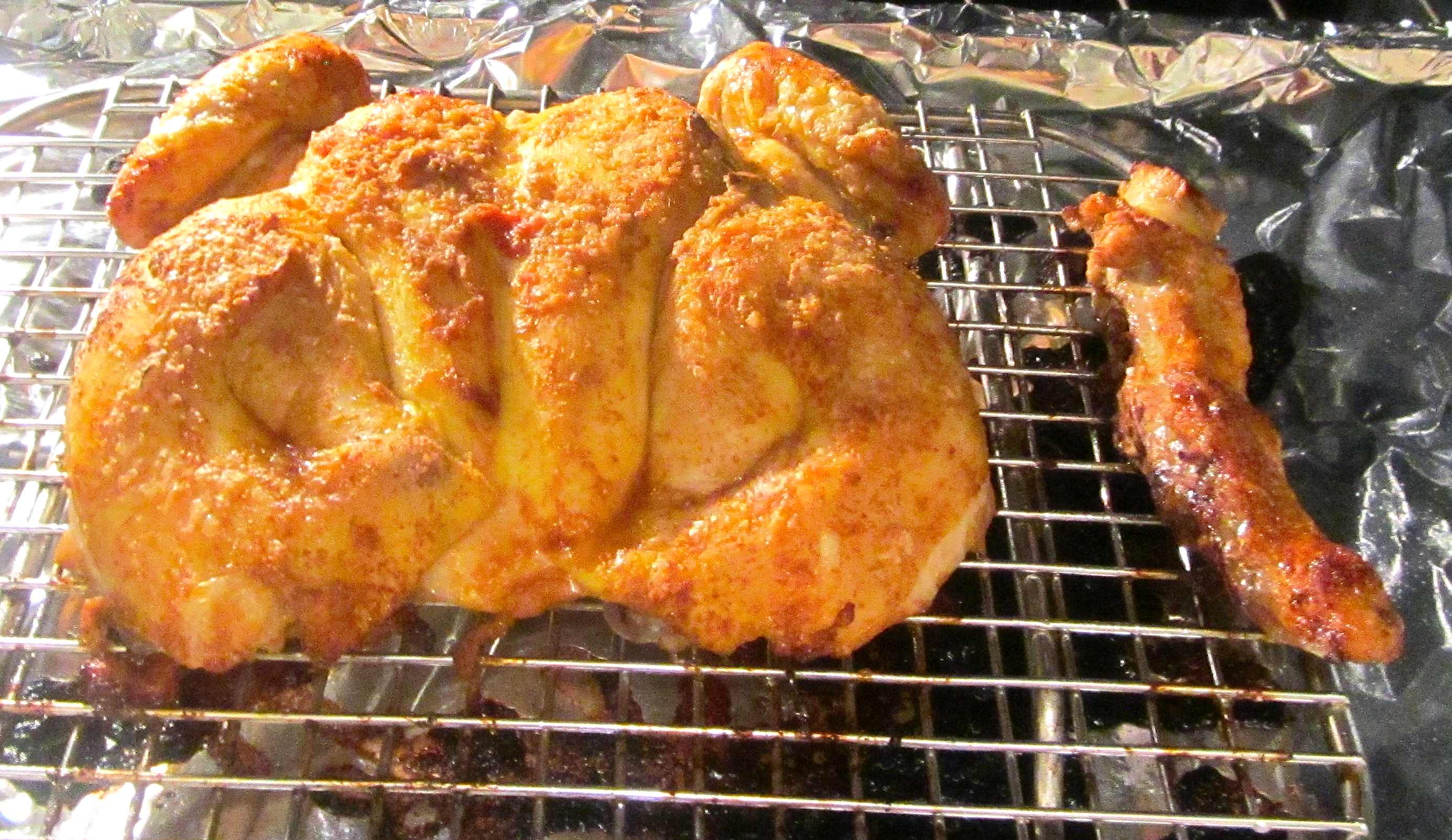
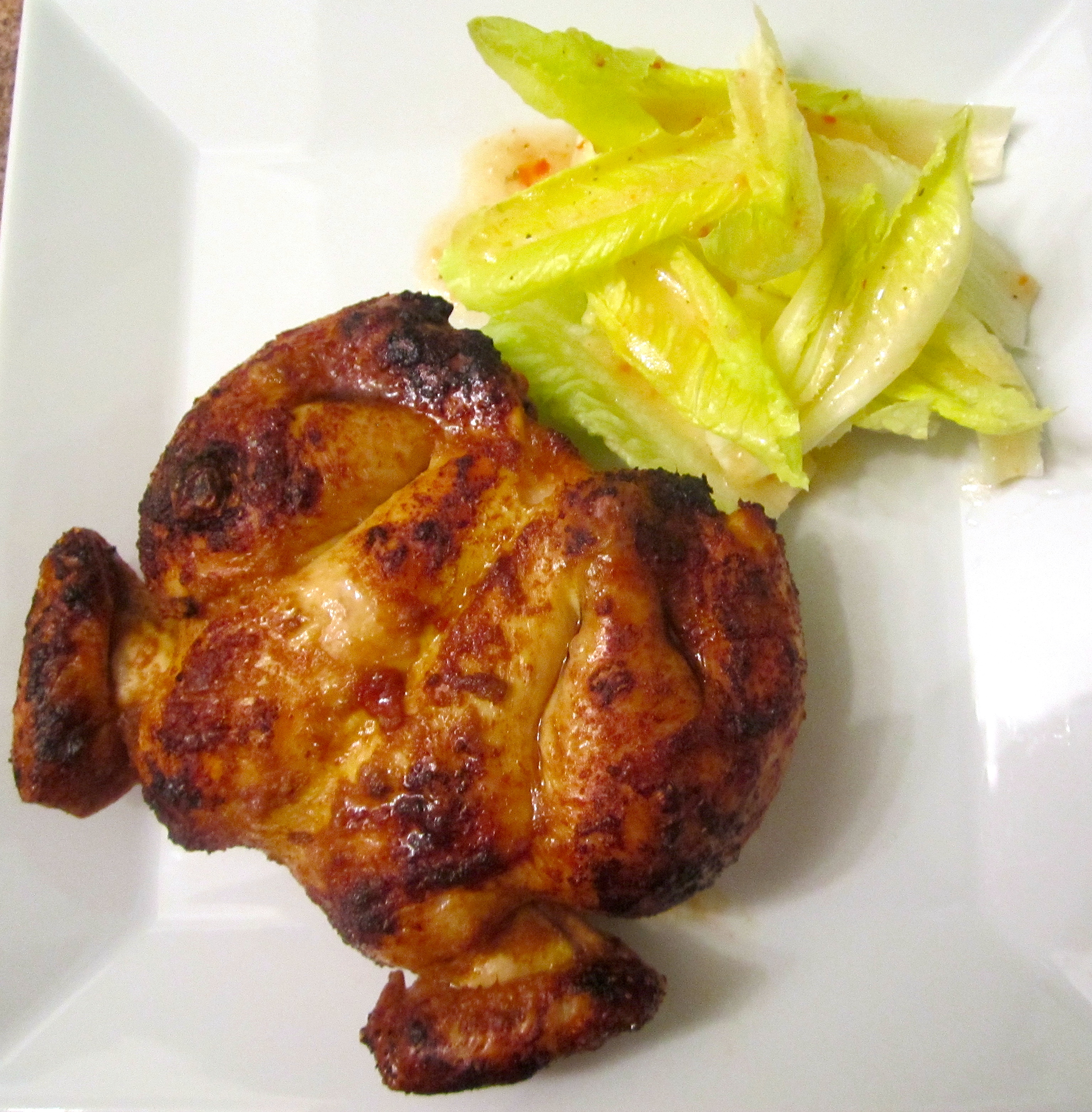
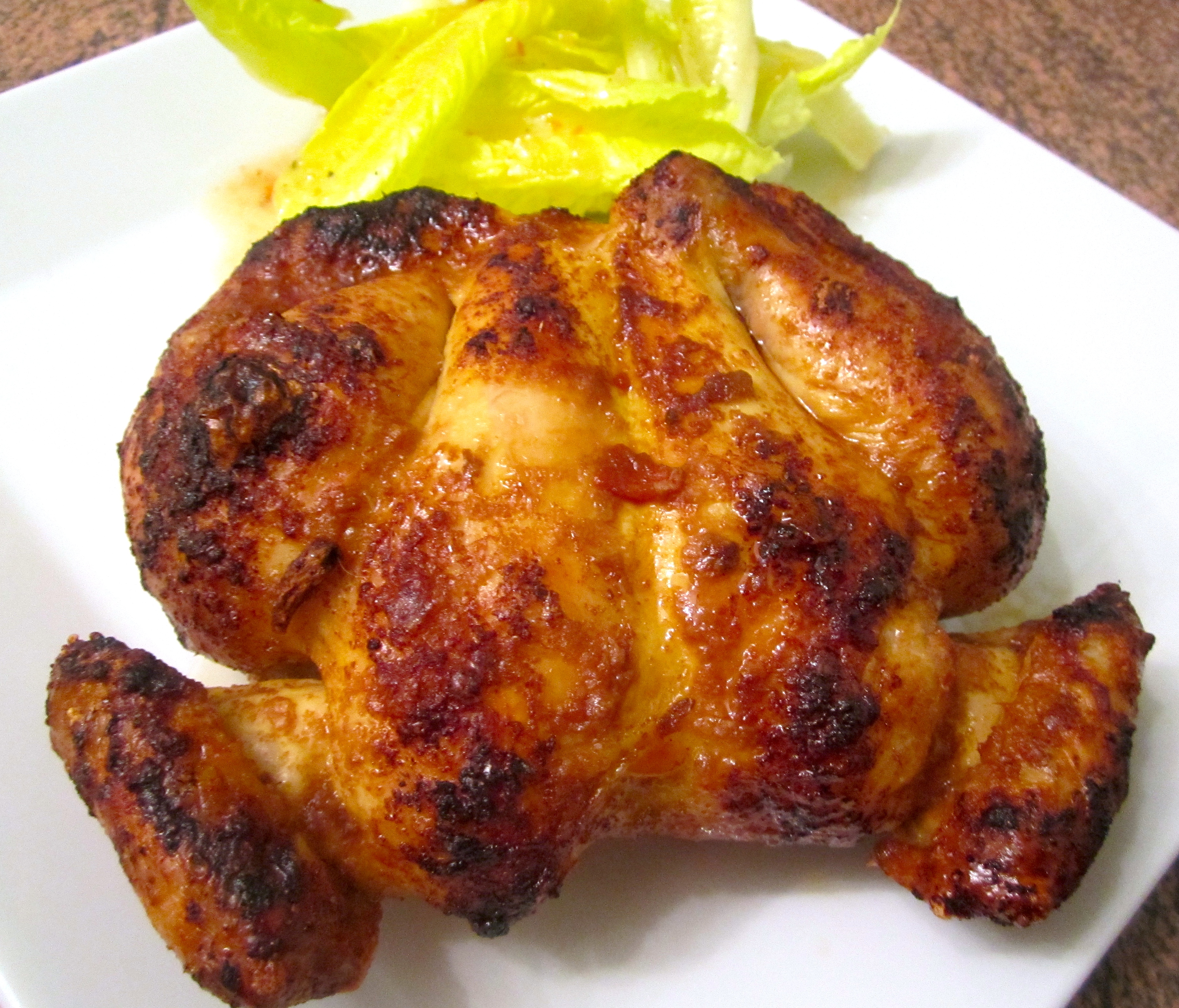
” Spatchcocked Cornish Hen “

.

Last night’s  excellent dinner. 

One whole cornish hen is a perfect portion.

Bon Appetit ! Life is Good ! 🙂

Ingredients:

Cornish hen, soy sauce, kosher salt, sriracha, onion pwd, garlic powder;

Method:

Roast in oven at 420F until internal temp on the thickest part on the bone reaches 160F.
Let it rest fo 10 minutes in a warm place. Do not cover or you will loose the crispness.
Carry over heat will take it to a safe 165 and it will still have all the juices.

.

.
.

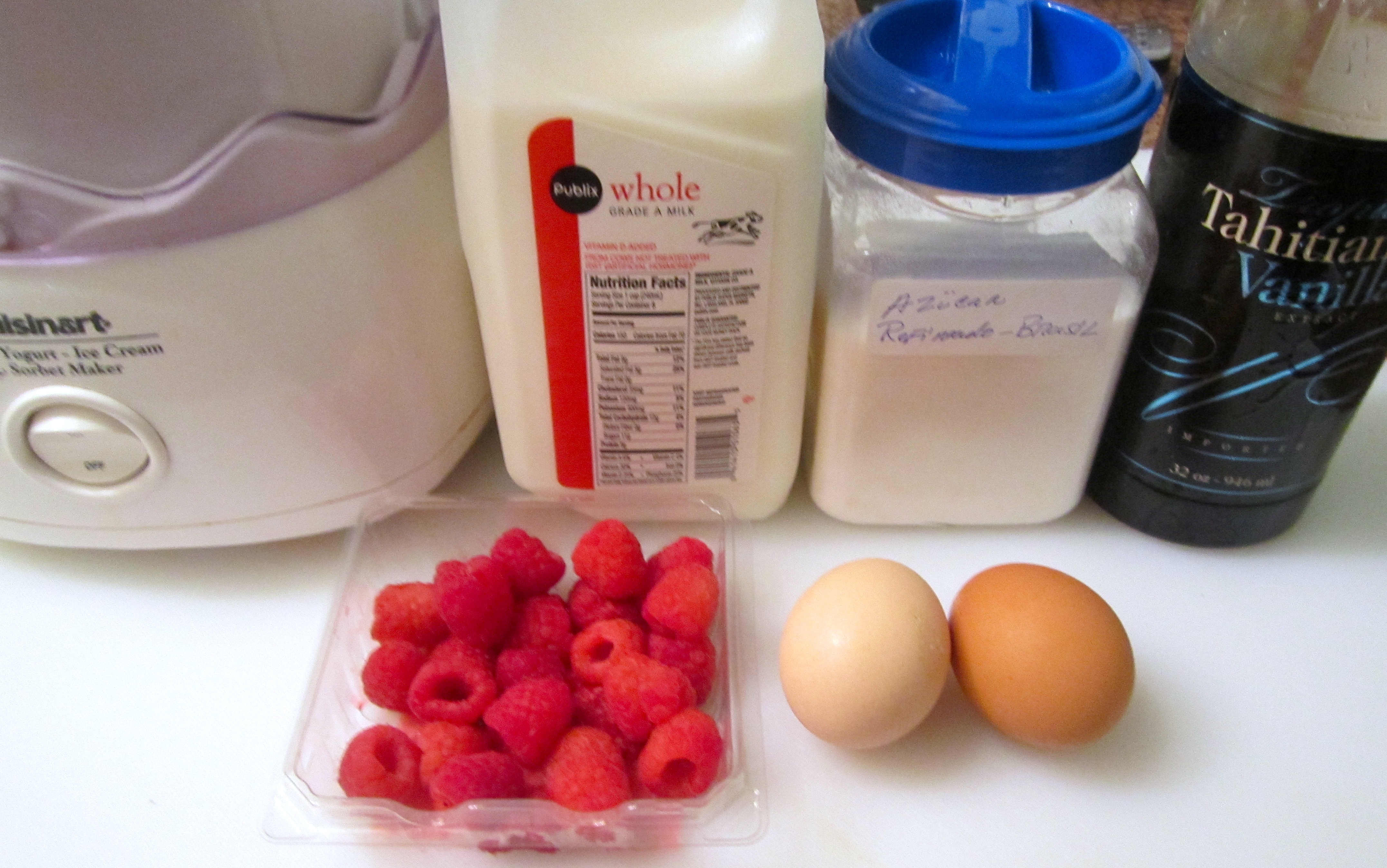
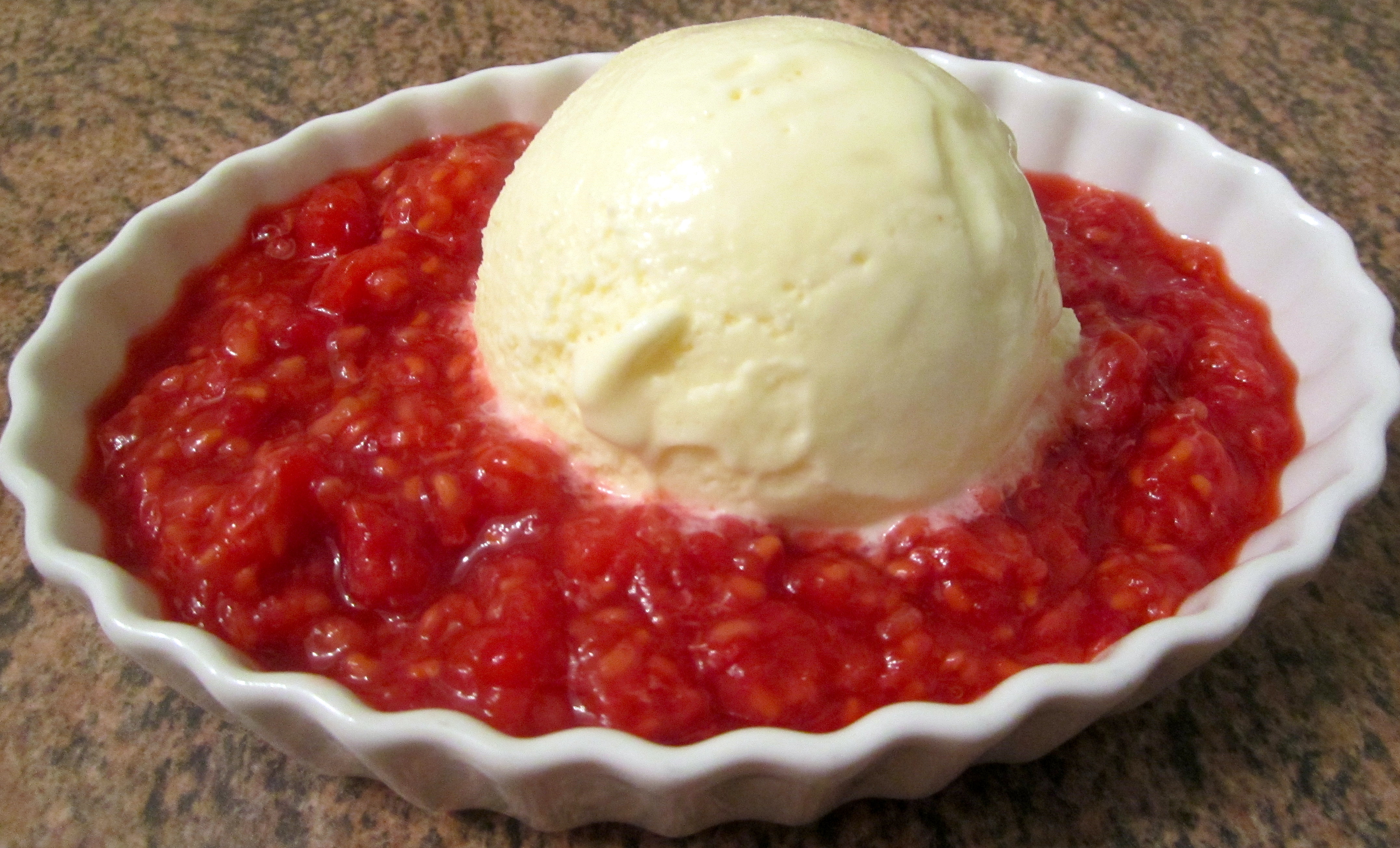
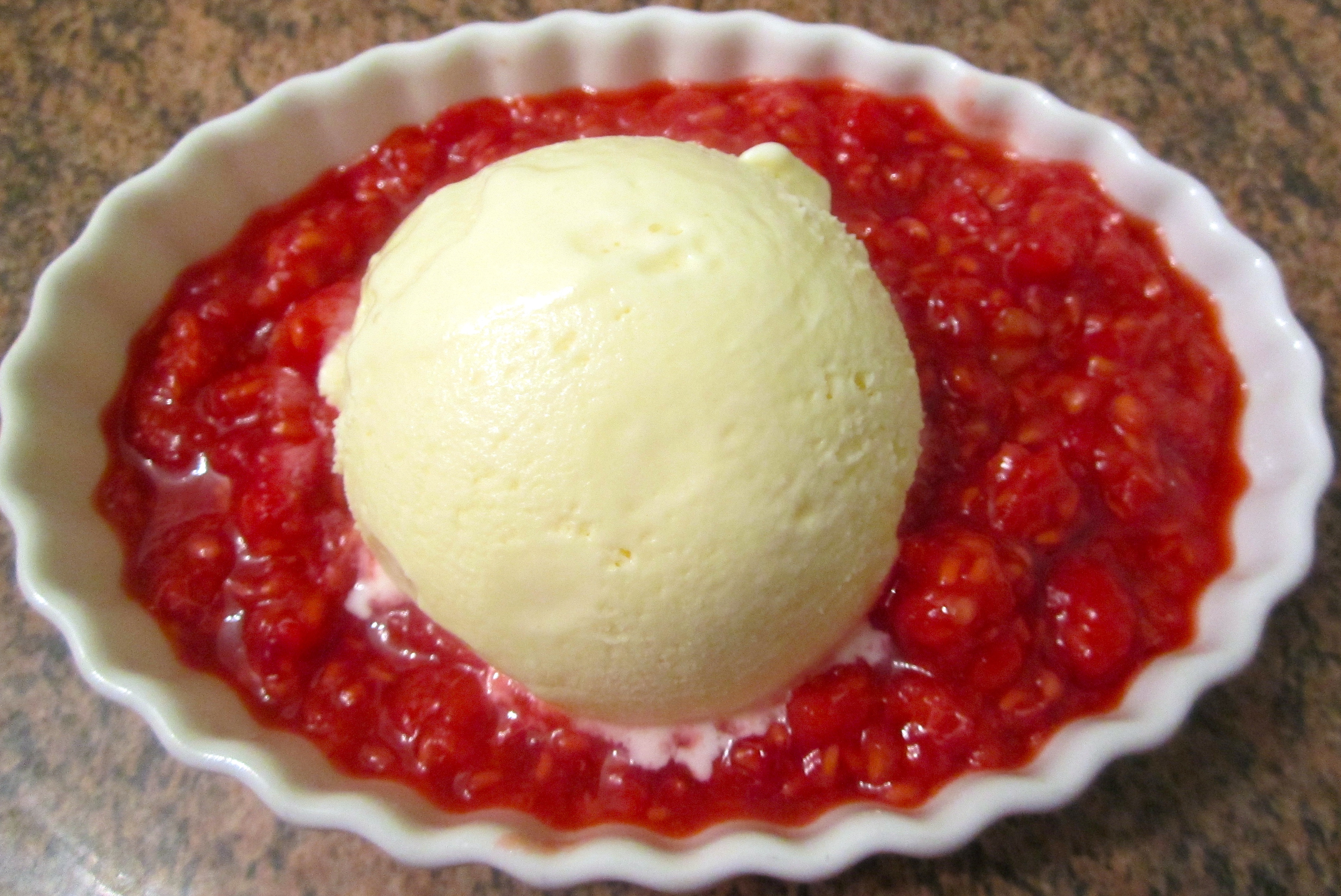
” Homemade Vanilla Ice Cream & Raspberry Puree “

.
.

Yesterday afternoon felt like ice cream,

did not want to drive to the store,

– made my own 🙂

Life is good !
.
.

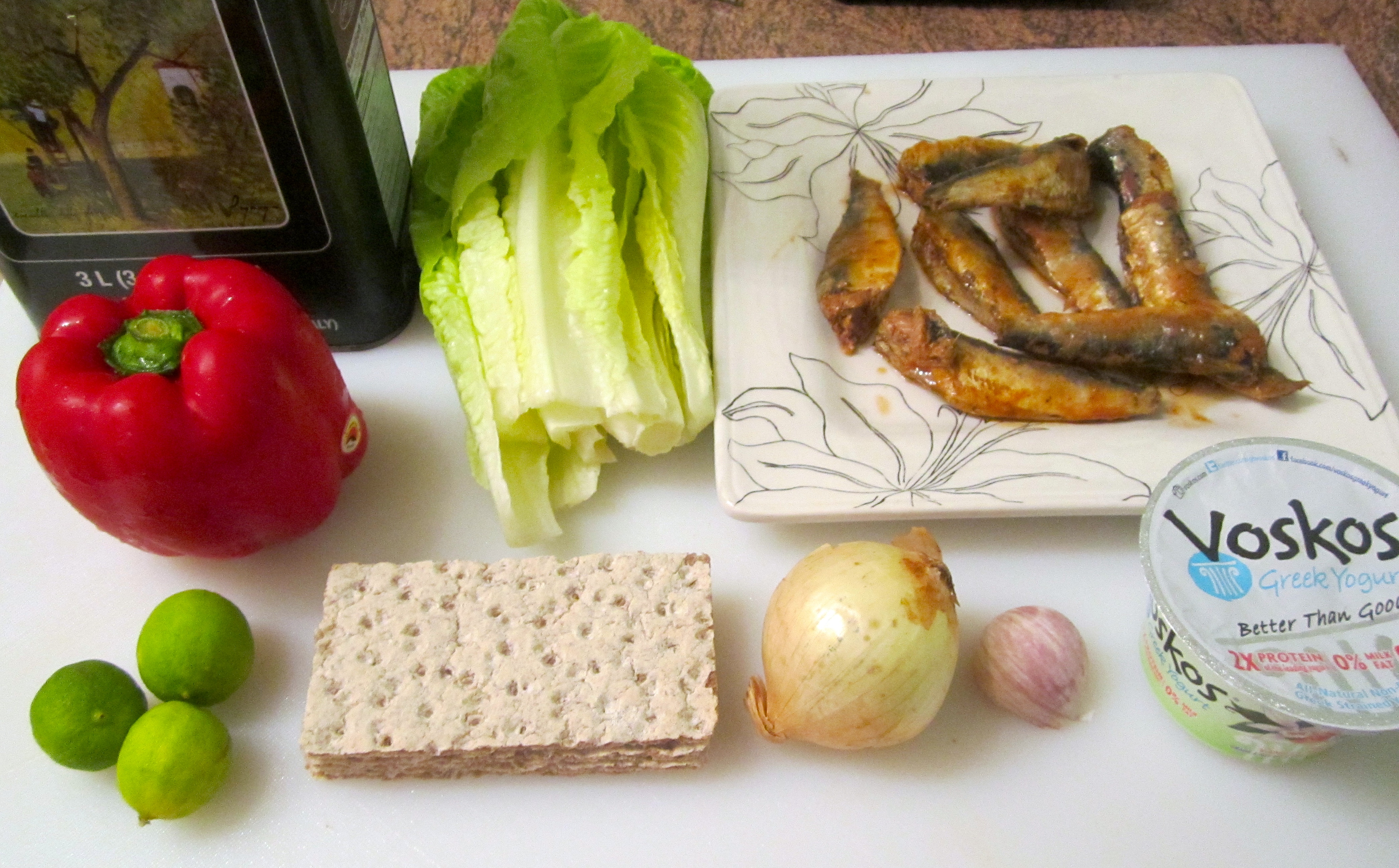
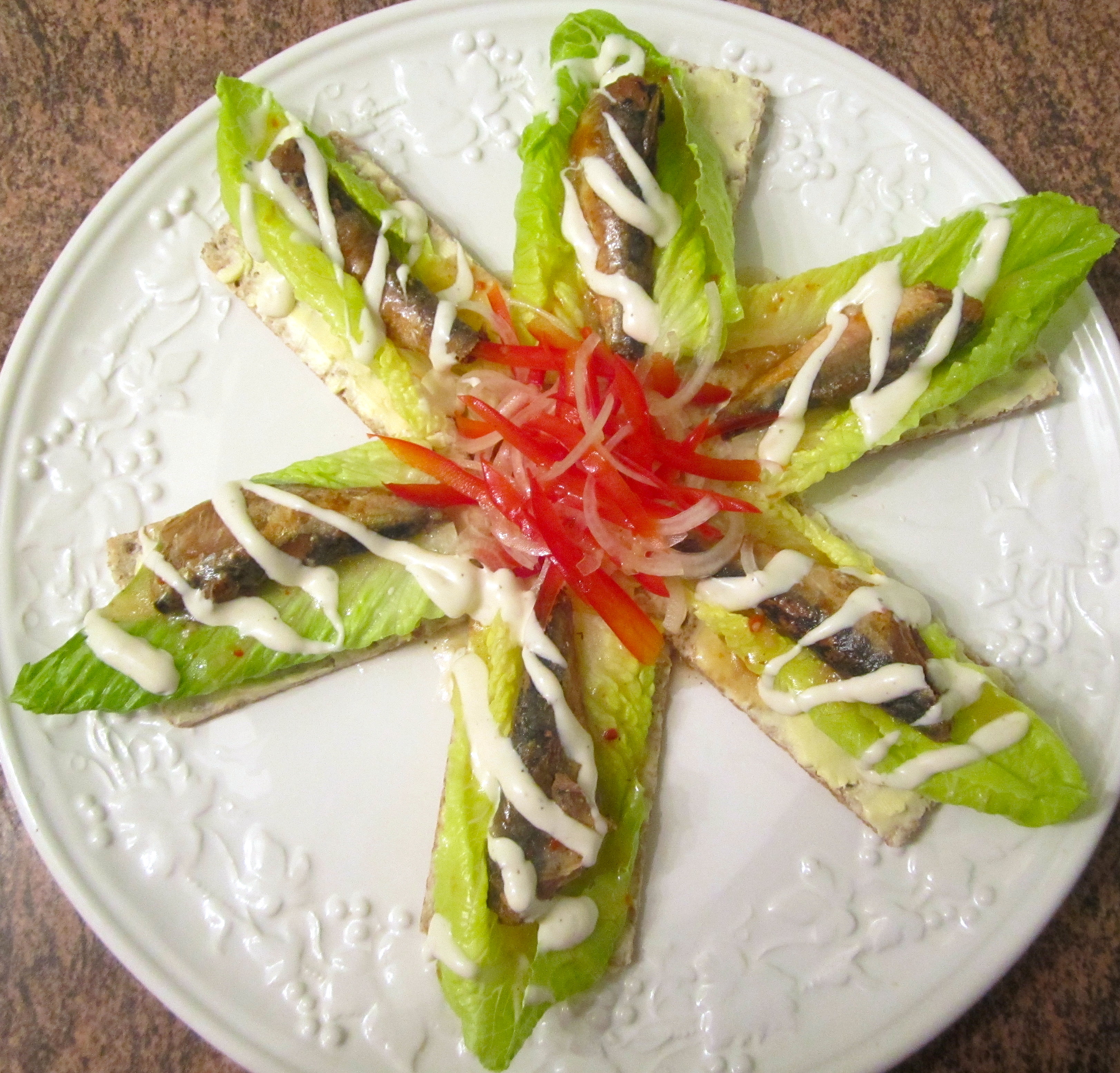
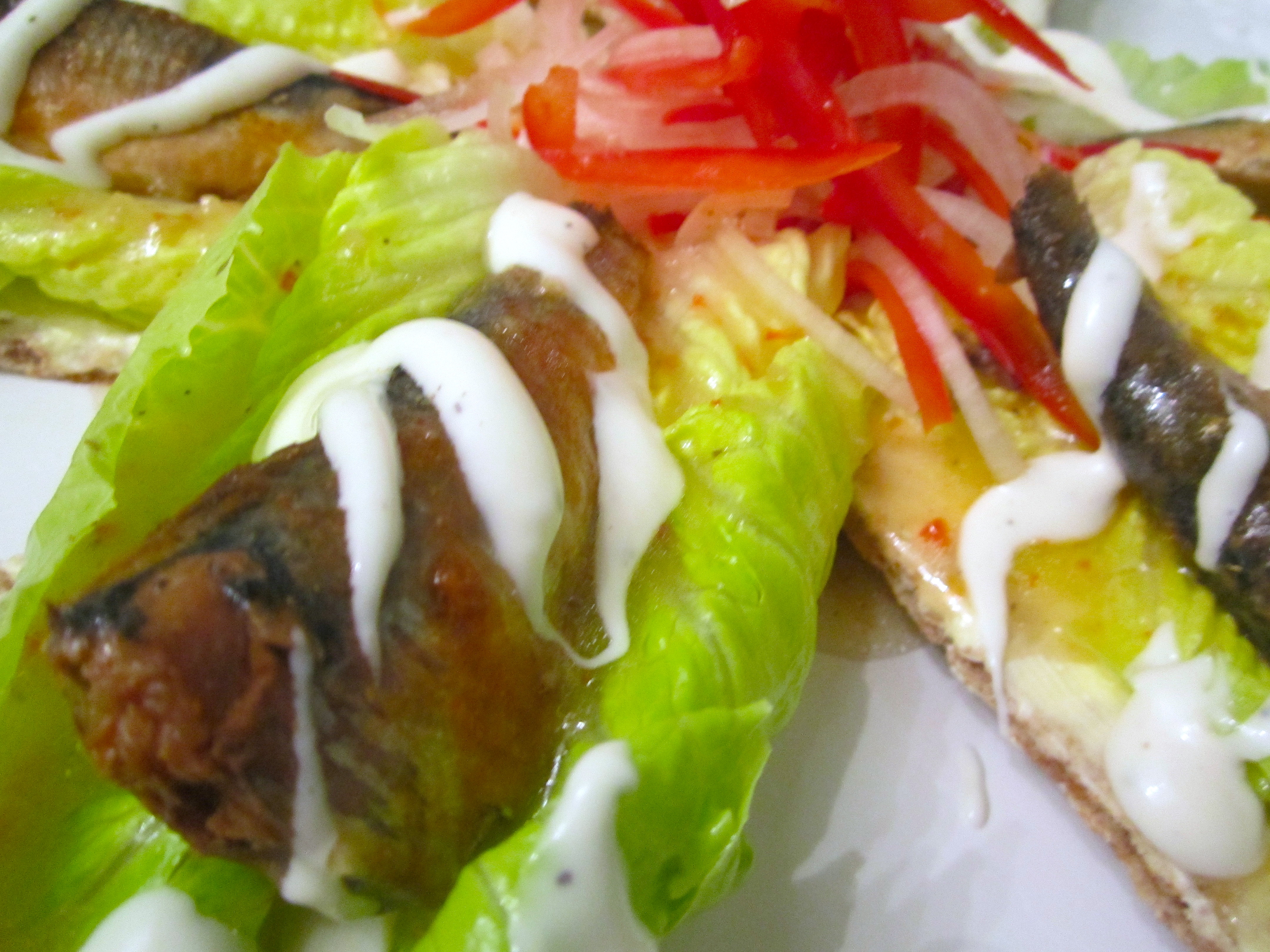
” Sardine Sandwiches on Knäckebröd “

.

.

Last night’s midnight snack.

Beer and sardines.

What’s not to like ?      🙂

.
.


” I was once asked what I could cook and I told them: everything! “

Russ Orford • @ Shelley, most “good Exec Chef” starts just there on the line. We have the burns the cuts to prove it. At 52, I can still give the young ones a run for their money, and not because I am fast but because I get it right and I know. However as A Exec chef the job has taken me elsewhere in the kitchen to oversee the prep the ordering, the following of health codes, OHSA, Inventories, and Training, costing of menus. The endless meeting that management feels I need to be at. The fixing the mixer and fridge door Because there is no money left in the R&M budget, and over a 100 other things that come up every day to keep the kitchen running, and yes I still get time to do the thing I got into this job for TO COOK on the line working one or two meal parts per day like breakfast, lunch and dinner. Really if I took my wage and divided it by the hours I work you would see a Slave wage, after all most cooks are on an hourly rate and when their shift is up it is up and they go home. Unlike a exec chef who stays until the job is done. I am first in and most time last out of my kitchen. I do not have a degree I did my Apprenticeship of 3 years working under hard talking hard drinking 1st and 2nd cooks , being trained my exec chefs who knew how to train cooks and chef and also had no degree , I have had many a “ young Chef “ who has come to my kitchen with a degree and they could not even cook an egg ! Why you may ask well as one young degreed chef told me “we were only shown how to do that one or two times before we moved on to more interesting food items!” I cannot tell you the amount of eggs I cooked before the chef would allow them to be serve to the guest, and until I could do that I was not allowed to “move on to the more interesting food items “and that in a nutshell is why we as chef are paid poorly, as most of these young chefs with degrees cannot do the basis things and so we all get batched in to one happy group. I was once asked what I could cook and I told them: everything! The person asked me how I could cook everything and that was impossible! I told him I had good training from the first day I walked into a kitchen I was taught the basis again and again until I got them right and was not allowed to move on until I got them right. Most line cooks know the food they are cooking the menu they are working on, repetition builds speed not knowledge Take a line cook off the menu he is working on and give him a new menu and he is like a duck out of water. I have seen many a “bull cook” have the wind taken out of his or her sails with a “new menu “

Read more HERE