restaurants

” For Offal Lover’s Only ! “

.
.
Friend’s, by now you have probably realized that some of my recipes and / or pictures
are of food which is a bit outside the mainstream. ( Some of my articles as well ? )
Yesterday I came across this article in the huffpost which reminded me again how
far most of our young “colleagues” and their guest’s / client’s in the culinary world
have moved away from the well rounded professionals we oldtimers were trained to be.
It praised the new generation of inventive and adventurous and oh so clever chef’s for
using the whole animal. WOW!
When I apprenticed in the sixties back in Germany, we were used to getting delivered
the whole animal, or if this was impractical because of it’s size and weight, a half  (veal,
pig, stag, boar) or a quarter (beef). Fresh game was always  dropped off whole by
the village hunter, and two four times a year we slaughtered our own pig’s which we
raised mostly on food scrap’s from the restaurant. So, on most restaurant’s menu’s
you wood find cut’s from ALL part of the animals. From snout to huff and tail and just
about  anything in between was used for a well rounded menu, at small country inn’s
all the way up to five star restaurants.
So,  in this spirit, here is my take on Gizzards :

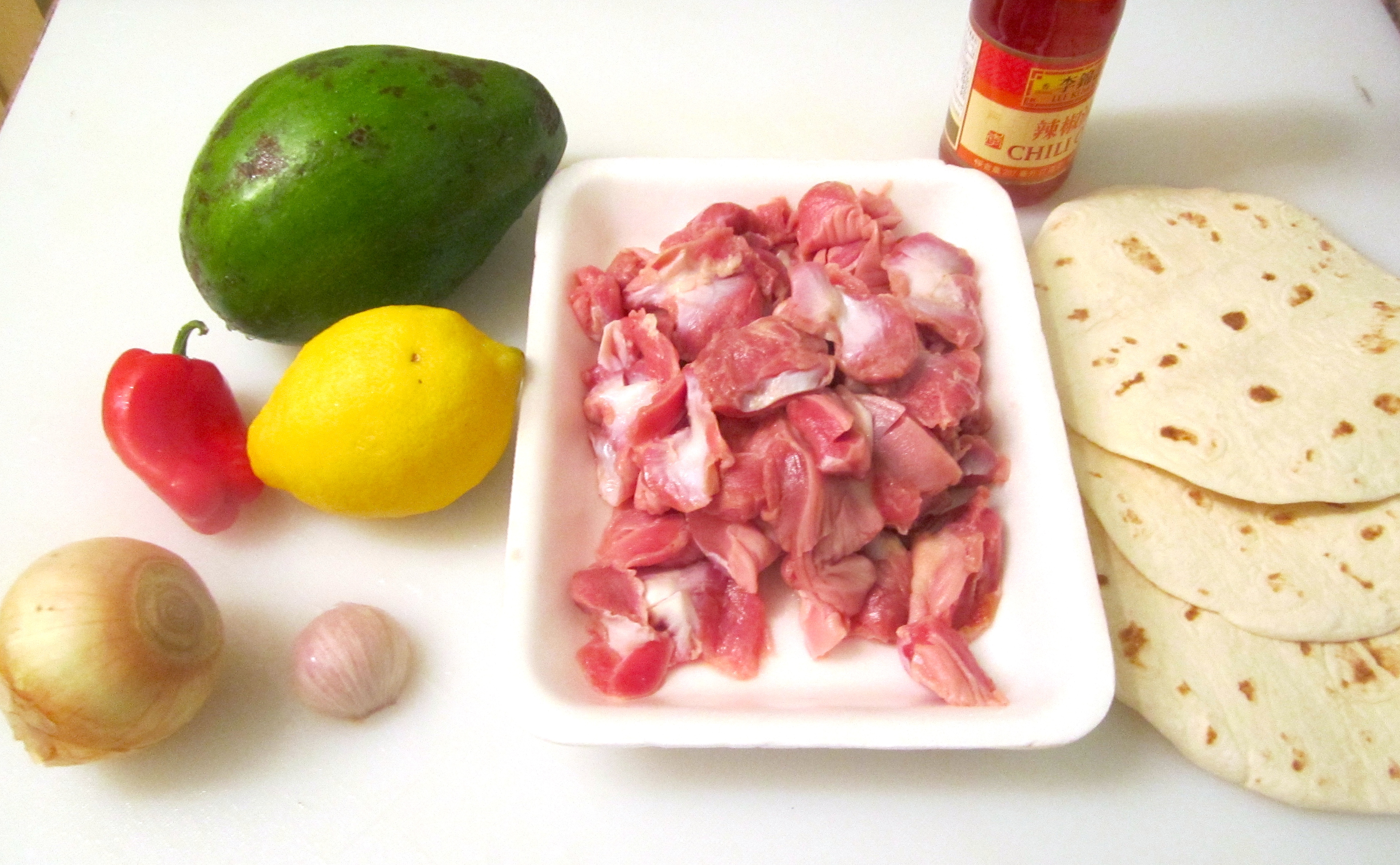
” Fried Spicy Gizzard’s, Guacamole & Totopos ”
.

.
.
Simmer the cleaned gizzards in red wine, garlic, salt and cayenne pepper until tender. Strain, dry.
Season with salt, cayenne pepper and garlic powder and fry until the edges become crisp.
Don’t fry too long or they become dry and tough. Season and fry the onions the same way.
To serve, sprinkle with cilantro and chili flakes.

Because I served these with guacamole, I did not need a dipping sauce .
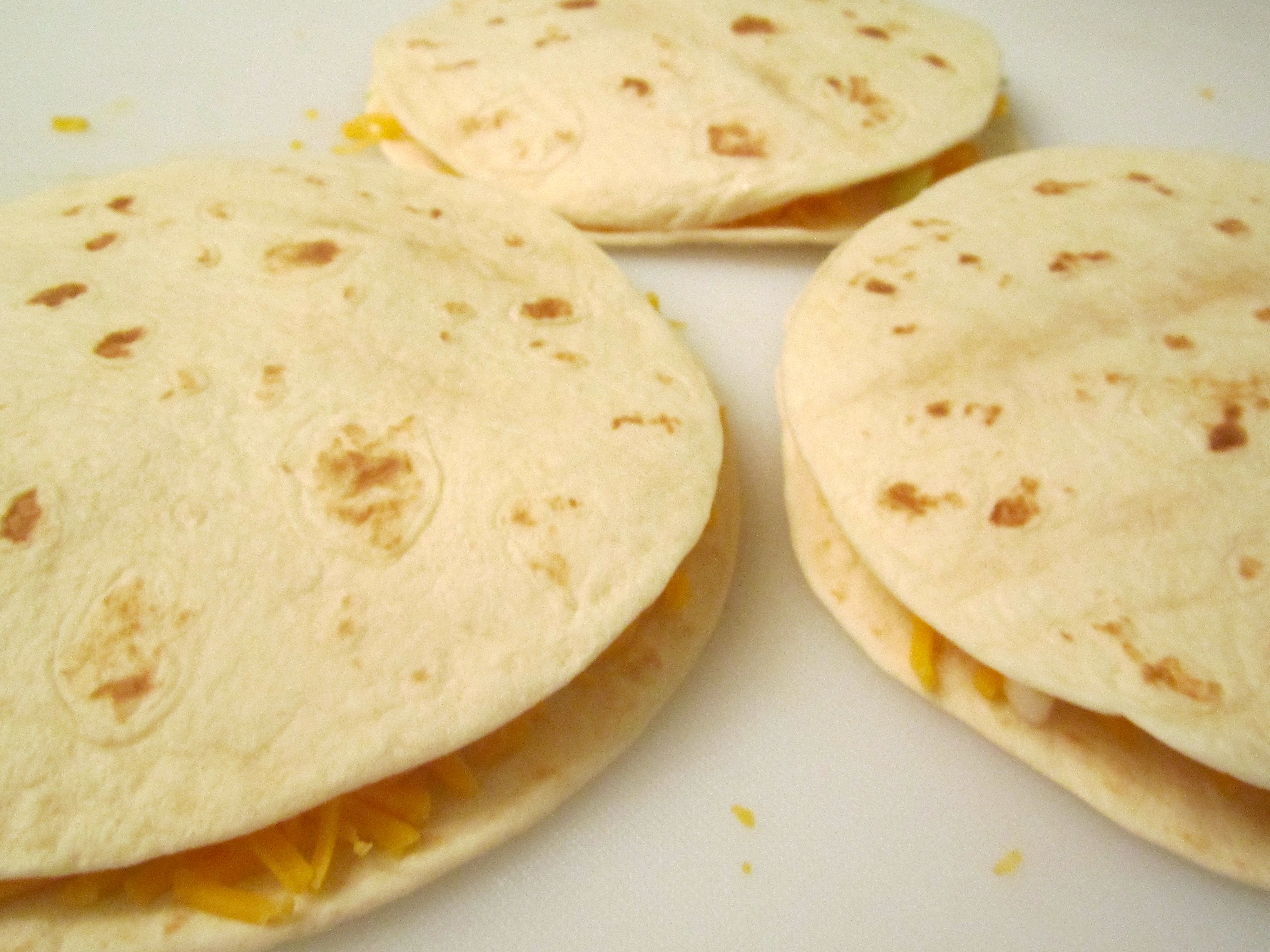
If you want to use a dipping sauce, try this:
Soy sauce with scallions, lime juice, sriracha and a bit of rice wine and sugar.     🙂
.

” Rose Petal Ice Cream “

.
.

 by  on July 5 2012 in DessertsFeaturedRecipe

While not a prevalent flavor in the United States, rose is fairly common elsewhere. Across the Middle East, particularly Iran, it is used to flavor all manner of sweets. Ice cream is the only use of rose in food that I have found palatable. Rose candy tastes like grandma’s perfume to me, and rose scones just taste wrong. But the ice cream gives a nice rounded sweetness that is just right for such a delicate flavor. The rose petals themselves are not really potent enough to stand up to the amount of sugar and cream that ice cream requires, so it’s fleshed out with rose water.

Rose water can be found at most Middle Eastern grocery stores and at specialty stores. The potency of the rose water will vary from brand to brand, so you may want to start of by whisking in one teaspoon at a time until you are satisfied with the flavor. I used Nielson-Massey, which is pretty strong.

Rose petals should be unsprayed, or organic. The best would be from a friend or neighbor, as they would be the freshest. Otherwise try natural foods stores or a florist/nursery specializing in organic flowers.

Rose Petal Ice Cream

Using the method found in Jeni’s Splendid Ice Creams 

Makes about 1 quart

Ingredients

  • 1 cup packed  petals from organic or unsprayed roses (30g)
  • 2 cups milk (475ml)
  • 2/3 cup sugar (150g/5.5oz)
  • 4 tsp corn or tapioca starch
  • 1 tsp beet powder (optional—this will give it a nice light pink color)
  • 3 tbs cream cheese, room temperature (1.5 oz/45g)
  • pinch of salt
  • 2 tbs corn or tapioca syrup (30ml)
  • 1 1/4 cup heavy cream (300 ml)
  • 2-4 tsp rose water (10-20ml)

Method

  1. First, get your bowls ready. In a small bowl, whisk the corn or tapioca starch (and the beet powder if using) with 2 tablespoons of the milk until a smooth slurry is formed. In a medium bowl, whisk the cream cheese and salt until smooth. Fill a large bowl with ice and a small amount of cold water. Place a mesh sieve over an empty medium bowl.
  2. Coarsely chop the rose petals. In large saucepan, toss in the petals, the remaining milk, the cream, sugar, and corn or tapioca syrup. On medium-high heat, bring the mixture to a rolling boil. Set a timer for 4 minutes (timing is very important). After the four minutes, remove from the heat and gradually whisk in the slurry. Bring the mixture back to a boil and cook, stirring frequently, until slightly thickened, about 2 minutes. Remove from the heat. Pour the mixture through the sieve and press against the rose petals to extract as much milk as possible. Discard the petals.
  3. Ladle a bit of the hot milk into the cream cheese and whisk until smooth. Gradually whisk in the rest of the hot milk. Whisk in the rose water one teaspoon at a time, adjusting to taste.
  4. Pour the mixture into a 1-gallon freezer Ziplock bag and seal. Plunge this into the ice water bowl and knead gently until the mixture is well chilled. Churn according to your ice cream maker’s instructions. Spread into a shallow container, cover with plastic wrap, and seal with an air-tight lid. Freeze until firm, about 3 hours. This will keep in the freezer for up to two weeks.

” 10 German Sausages To Know And Love “

.
.

A helping of sausage gets you through the wurst day

by Jess Kapadia on FoodRepublic
.

I learned a lot about sausage while reporting on
Germany’s Christkindlmarkts for Lufthansa USA.
I thought it was just a generalization that Germans live off them,
and that they had as many kinds of sausage as Eskimos have words
for snow (also a generalization, as I learned while researching
better ways to express Germany’s love of sausage). But it’s true.
They’re really serious about tube steak. And now I am, too.
Every region has its own particular riff on “sausage in a bun,
” like Nuremberg’s much-loved Drei im Weggla
(see slide 2) or the massive Thuringer, whose bun cannot hope to
contain it all. You can have your
sausage with potatoes or with kraut (hopefully both).
There’s a sausage for every morsel of every pig or cow,
as there should be. Here are 10 favorites I discovered wandering
around Germany’s outdoor Christmas markets.
.

                                                                                                                                                                Photo: kathryn_rotondo on Flickr

Knackwurst

Knackwurst, also spelled knockwurst, are short, thick sausages made of finely ground pork, flavored with plenty of garlic. The name comes from the German “knacken,” which means “to crack.” We’re assuming these sausages were named for the crackling sound the casing makes when bitten into, but it could very well be for their highly addictive qualities. Recommended served with sauerkraut and mustard.

9 more sausages HERE 

More about:

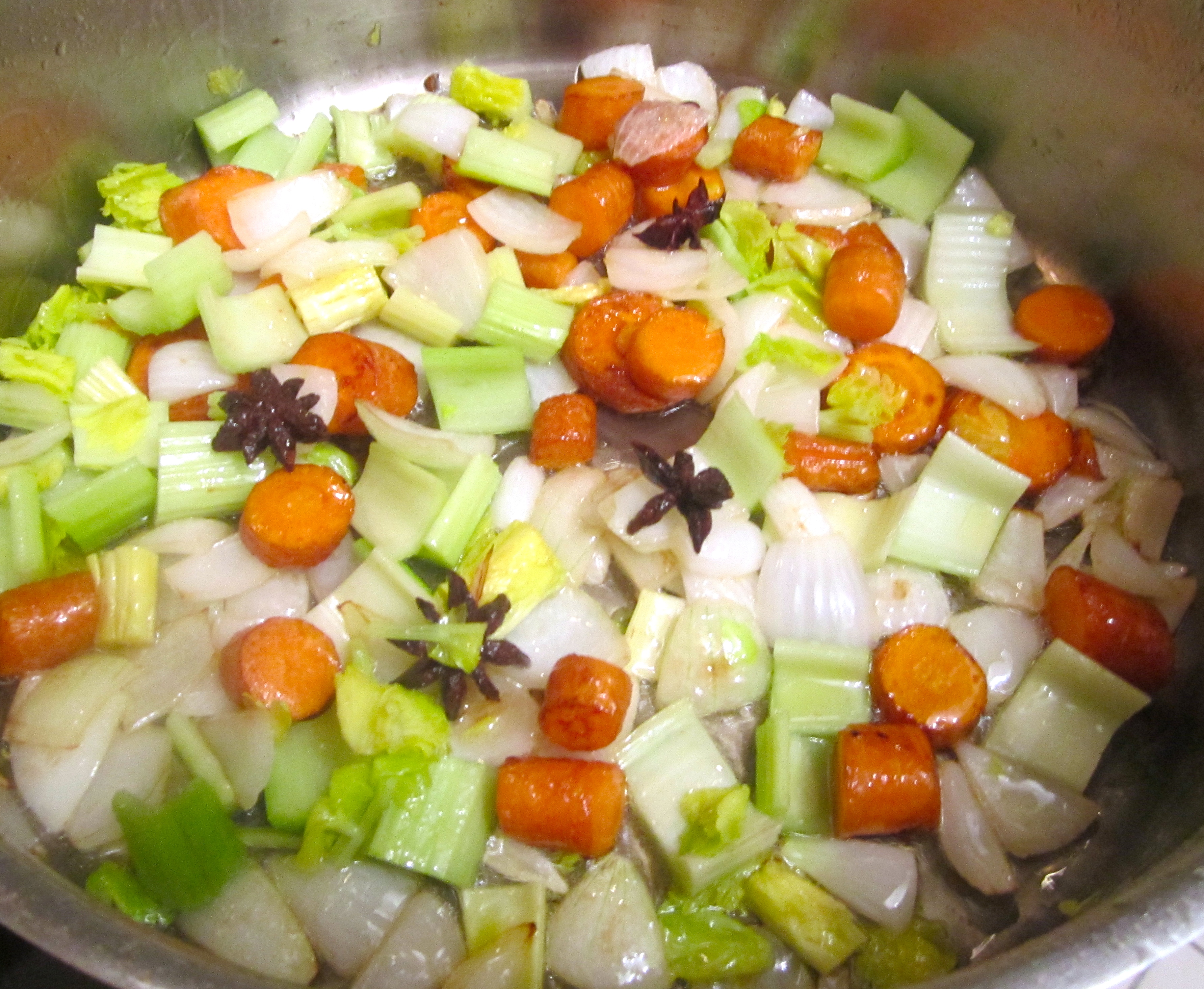
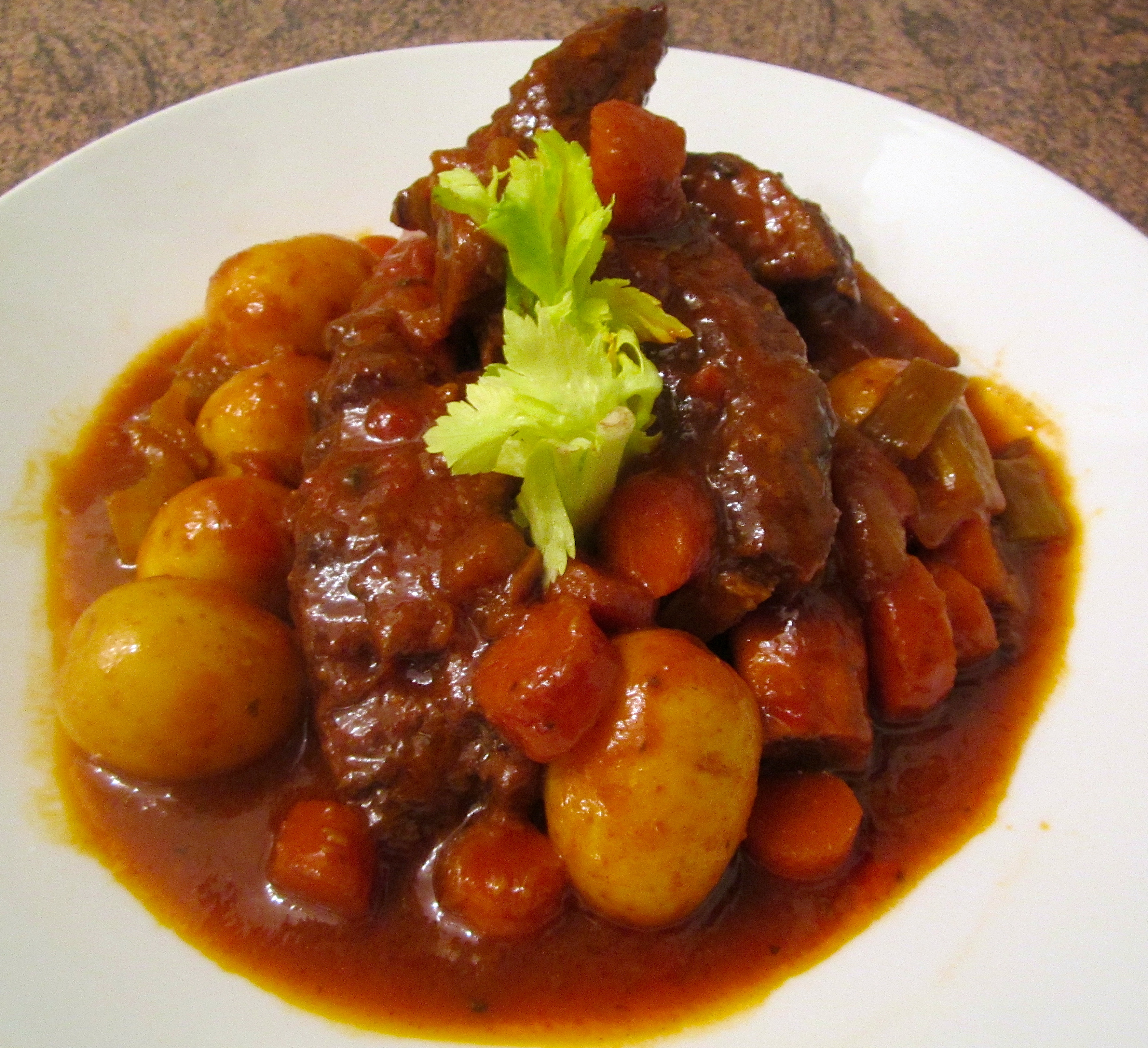
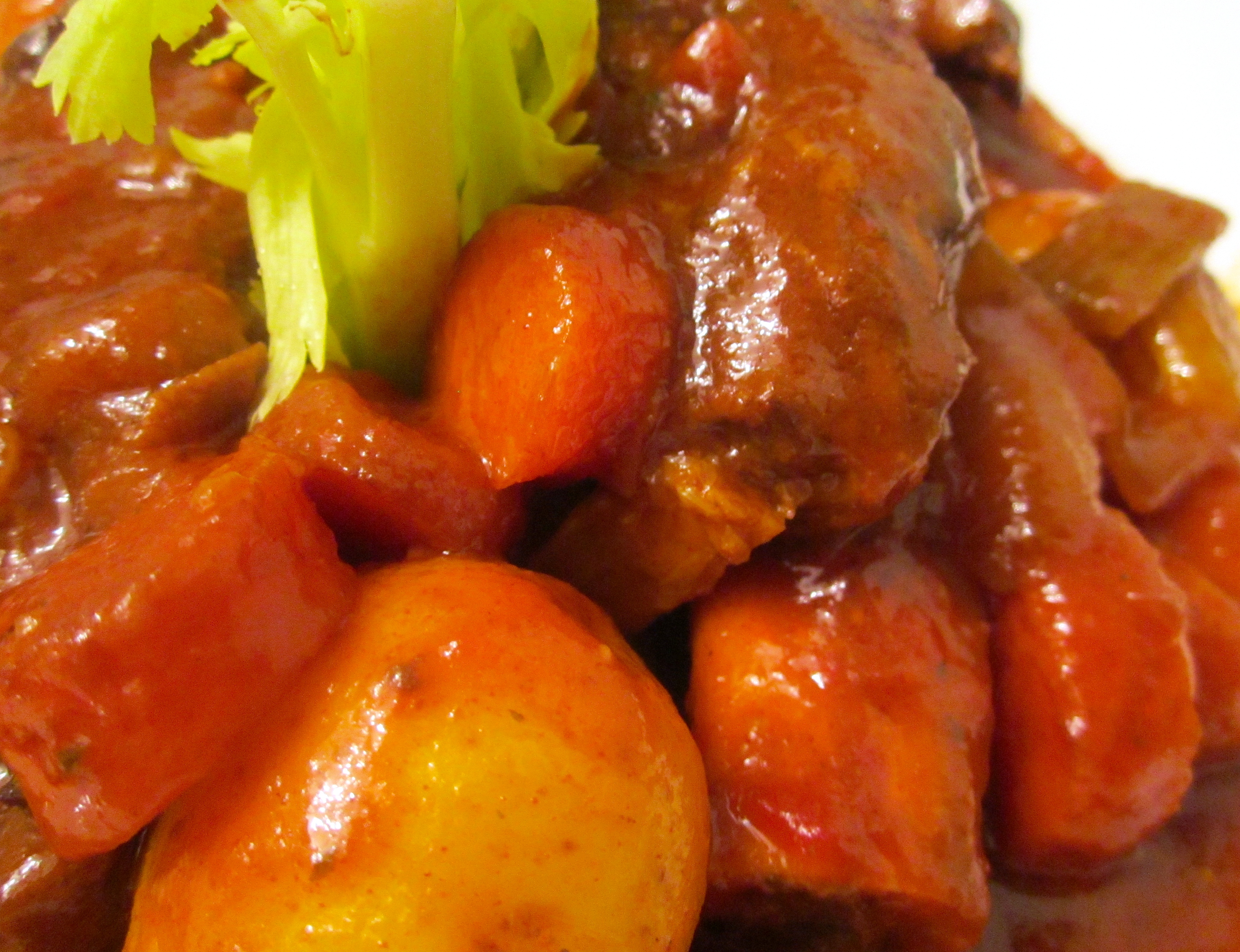
” Braised Beef Ribs, Vegetables & Potatoes “

.
.
Yesterday’s dinner. 
After that, I probably should not eat at all today ?     😦
.
.


.
.
Bon Appetit !   Life is Good !
.

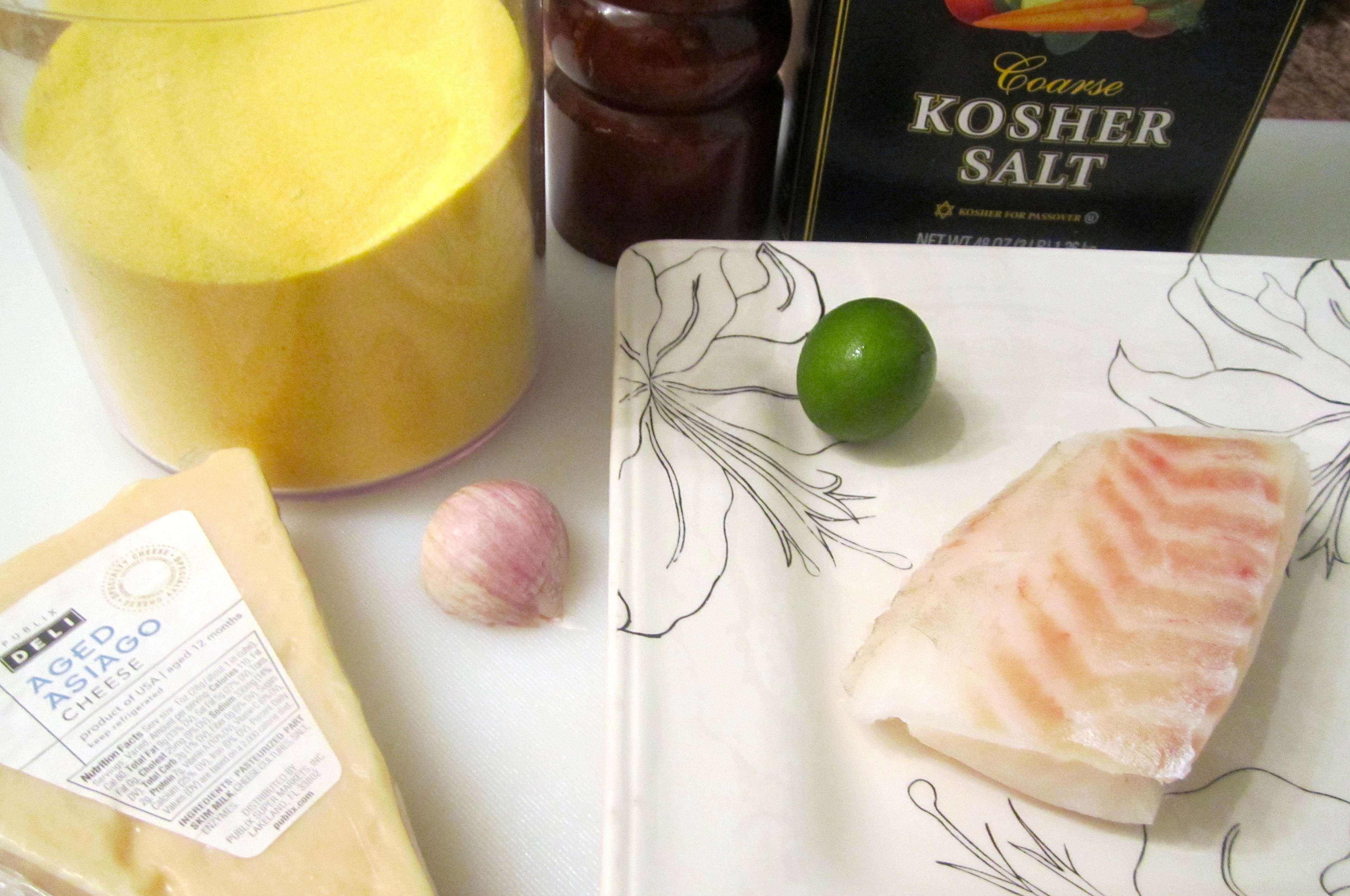
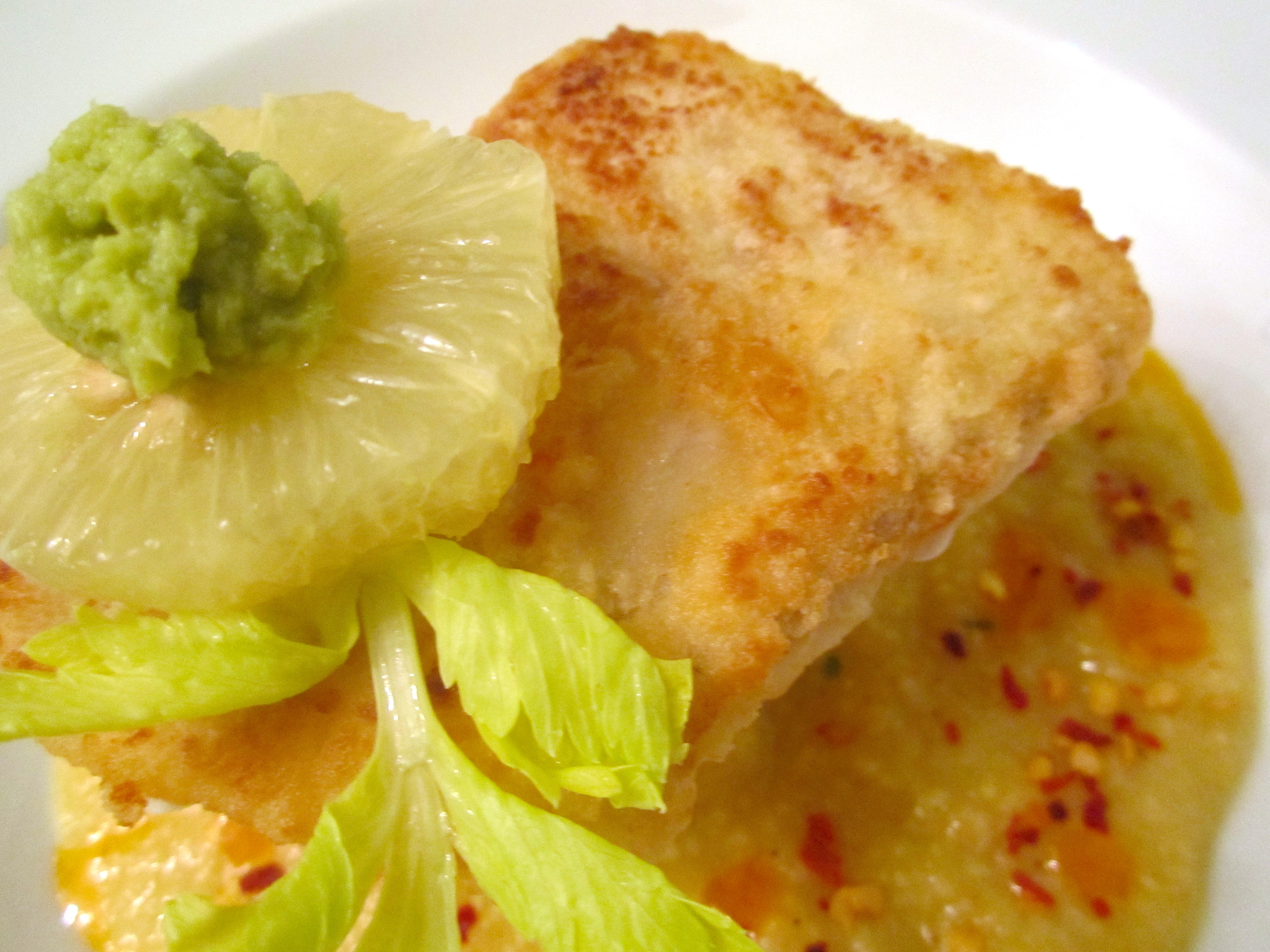
” Sauteed Cod Filet, Cheese & Chili Grits “

.
.
Yesterday’s lunch. 
First time in my life I cooked grits for myself. Love it ! 
Life is Good !
.
.


..

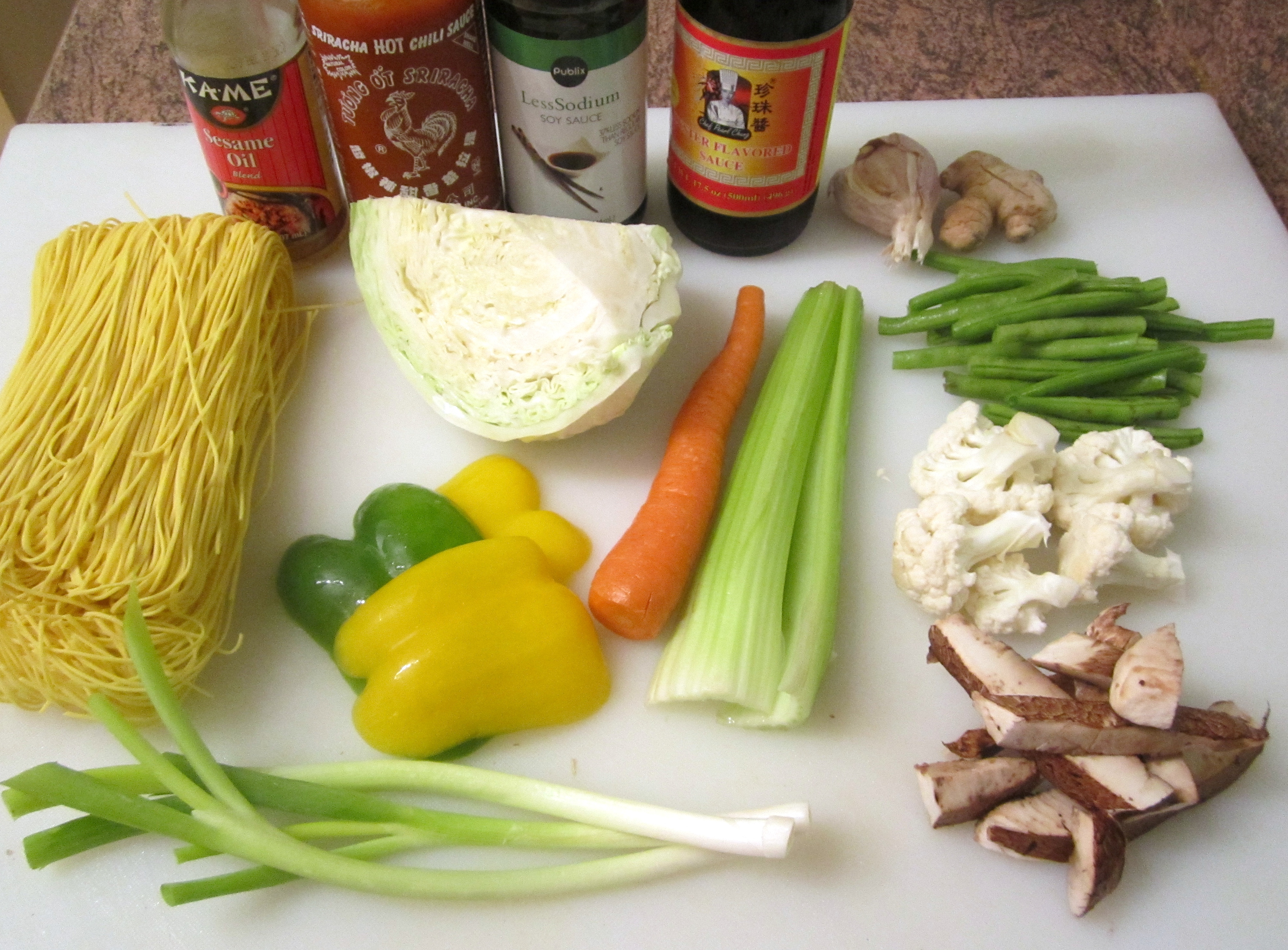
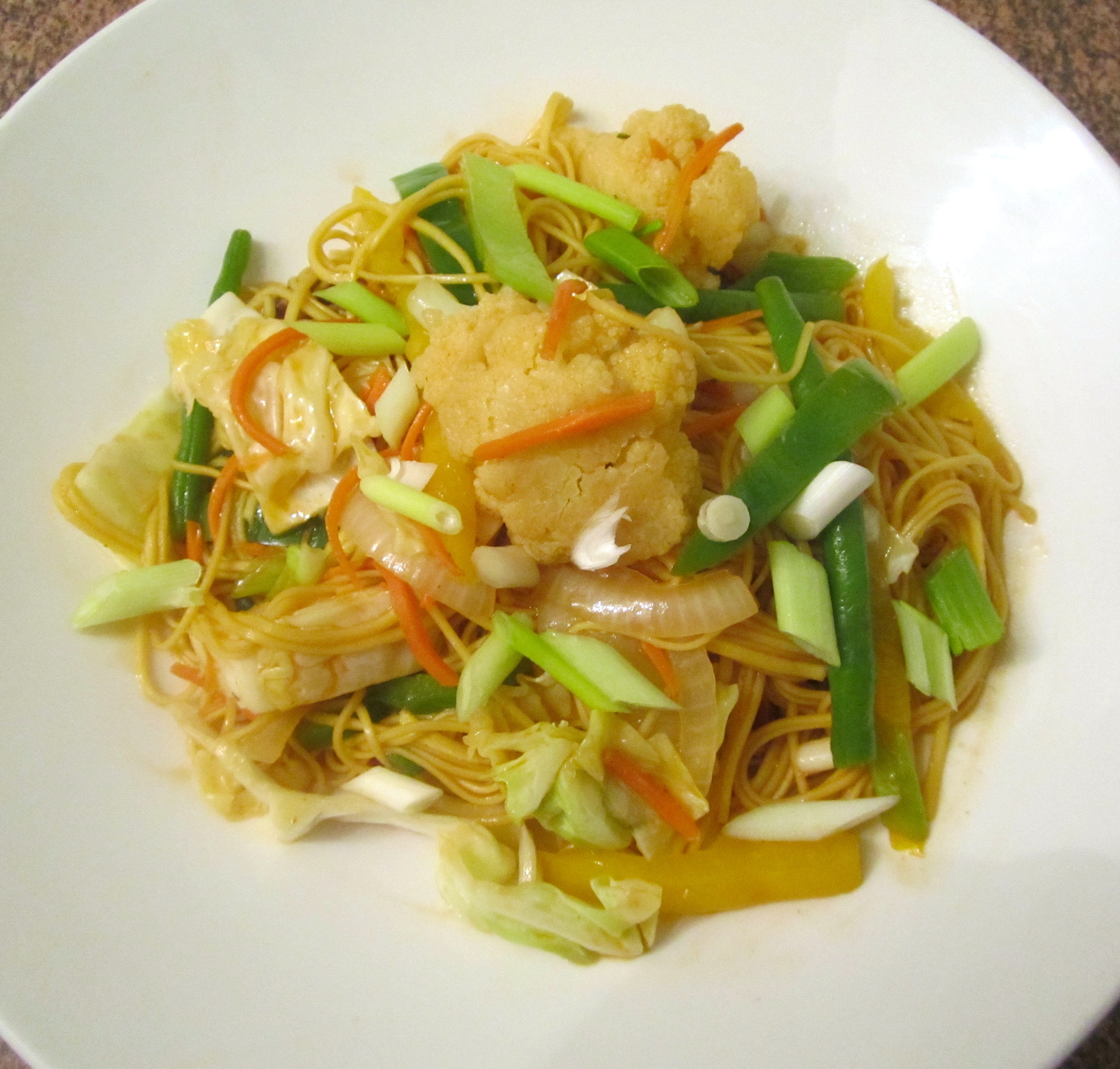
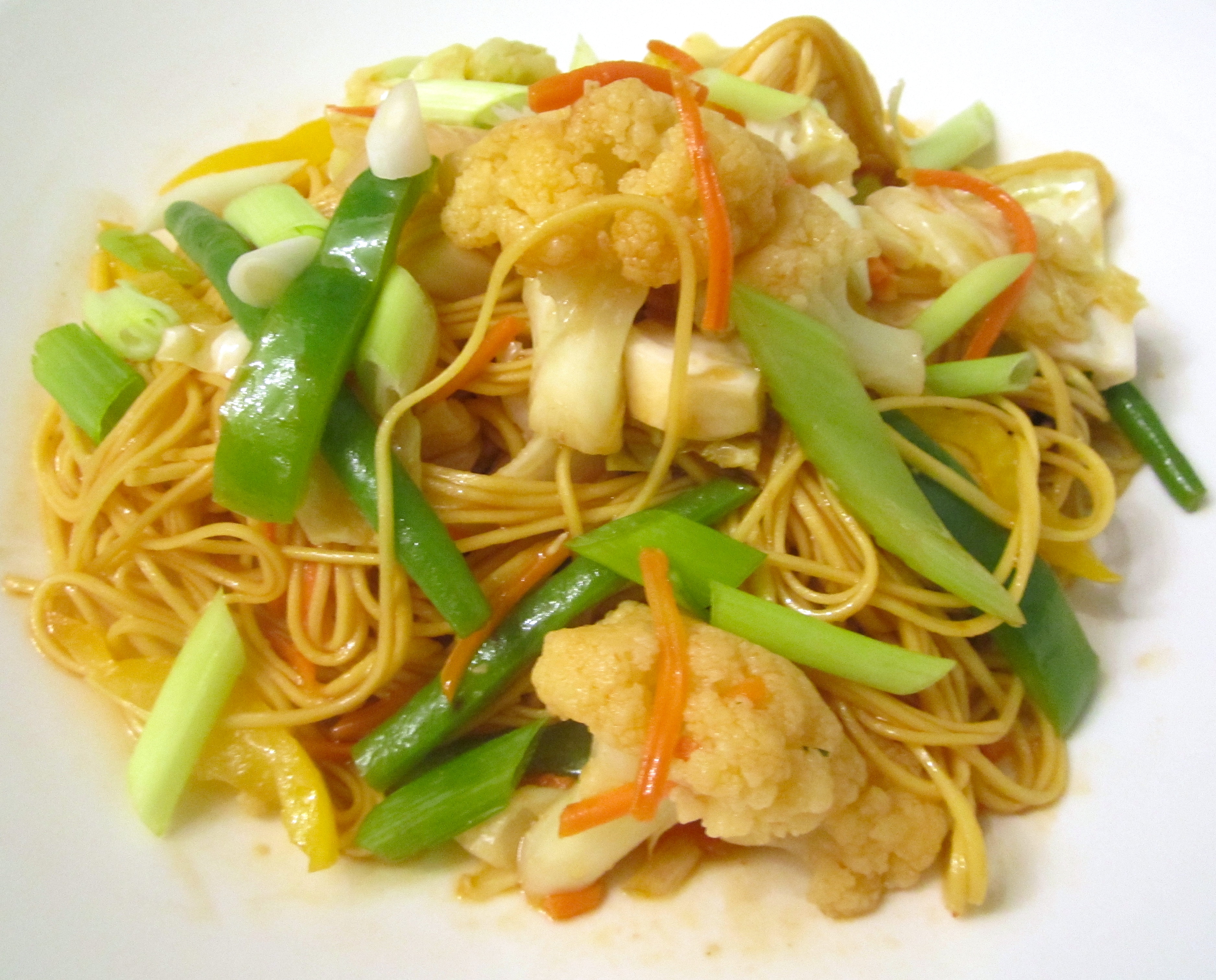
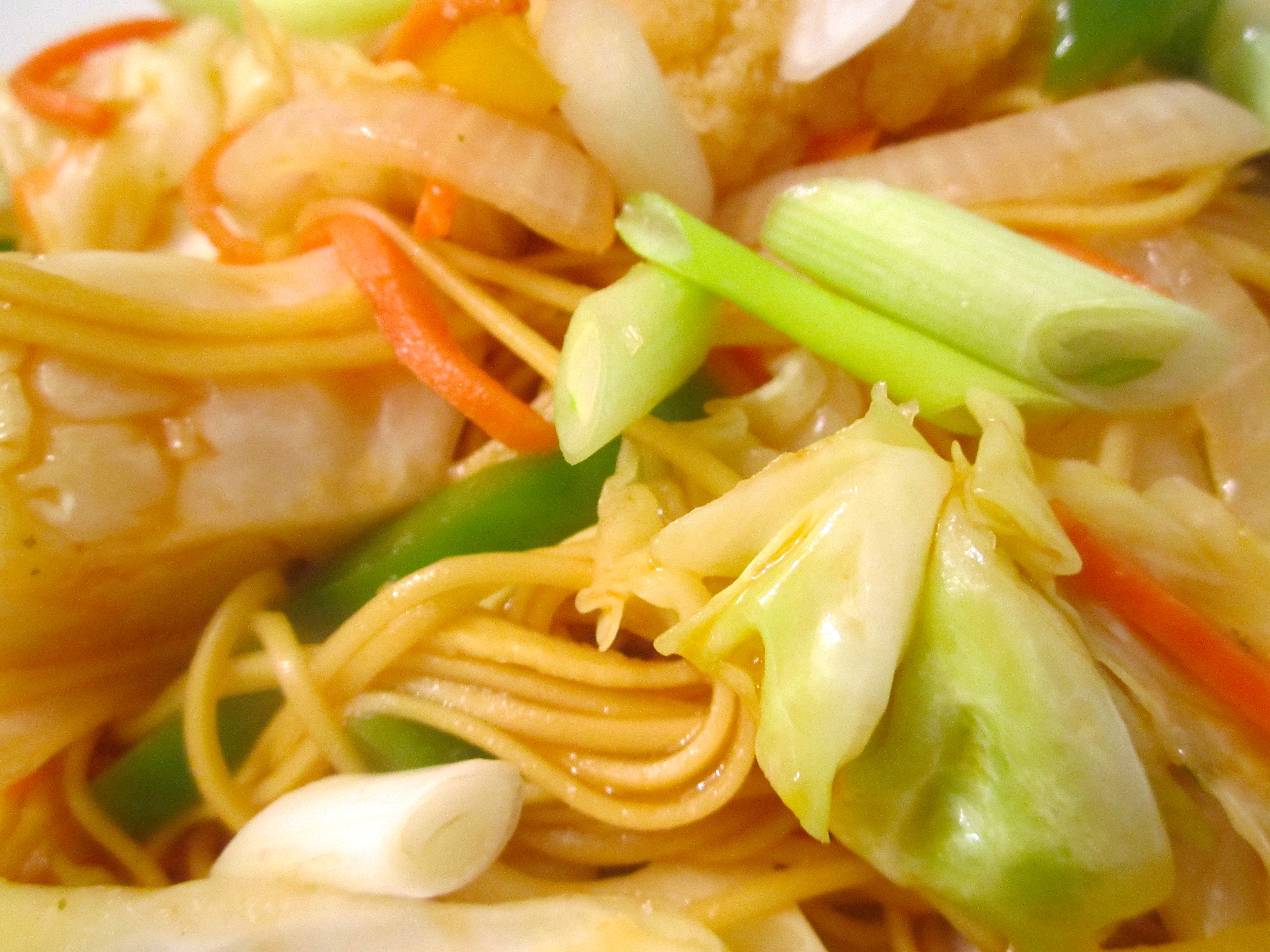
” Stir Fried Vegetables & Longevity Noodles “

.
.
Light, tasty, healthy, delicious.

Life is Good !
.
.


.

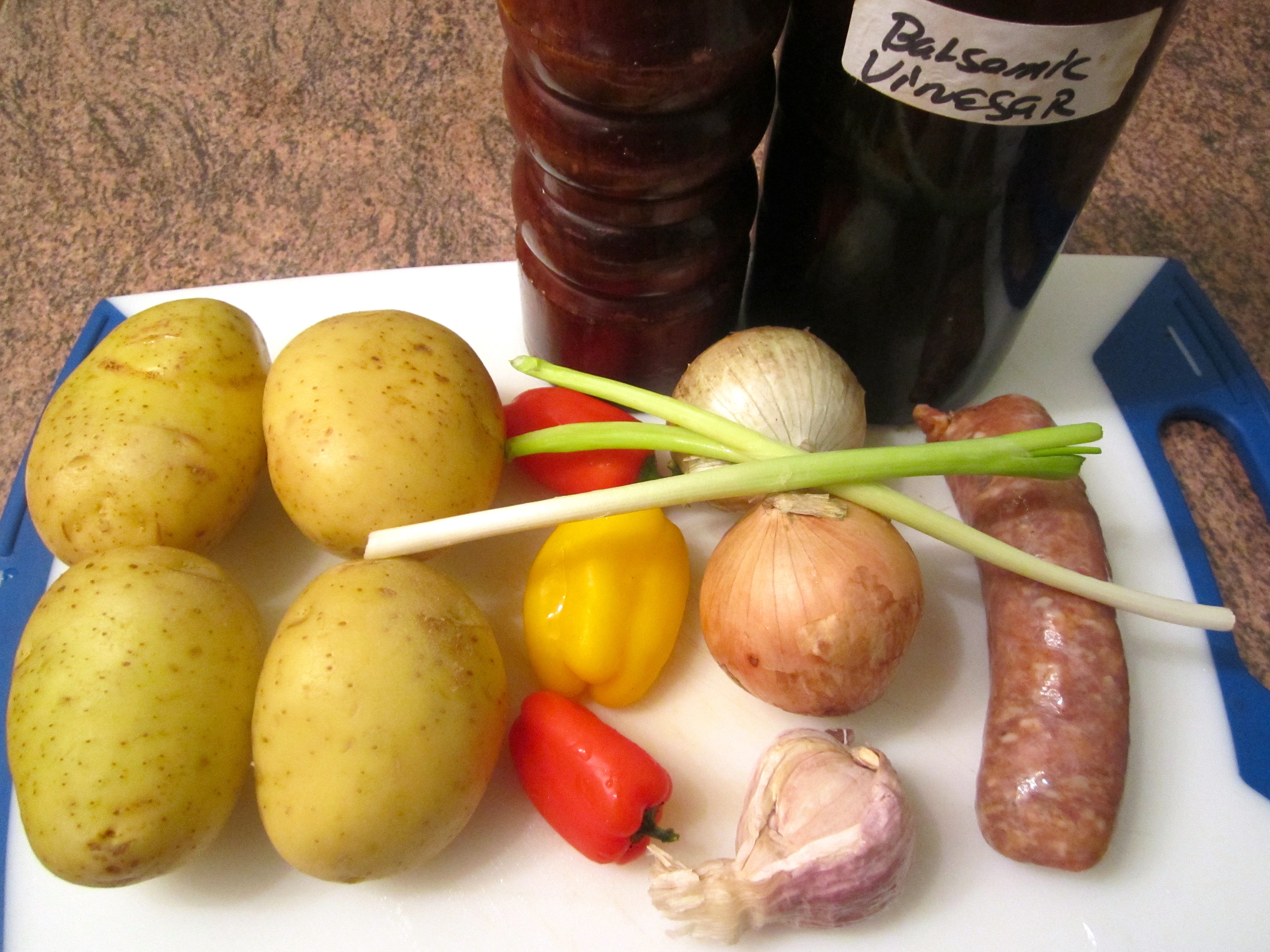
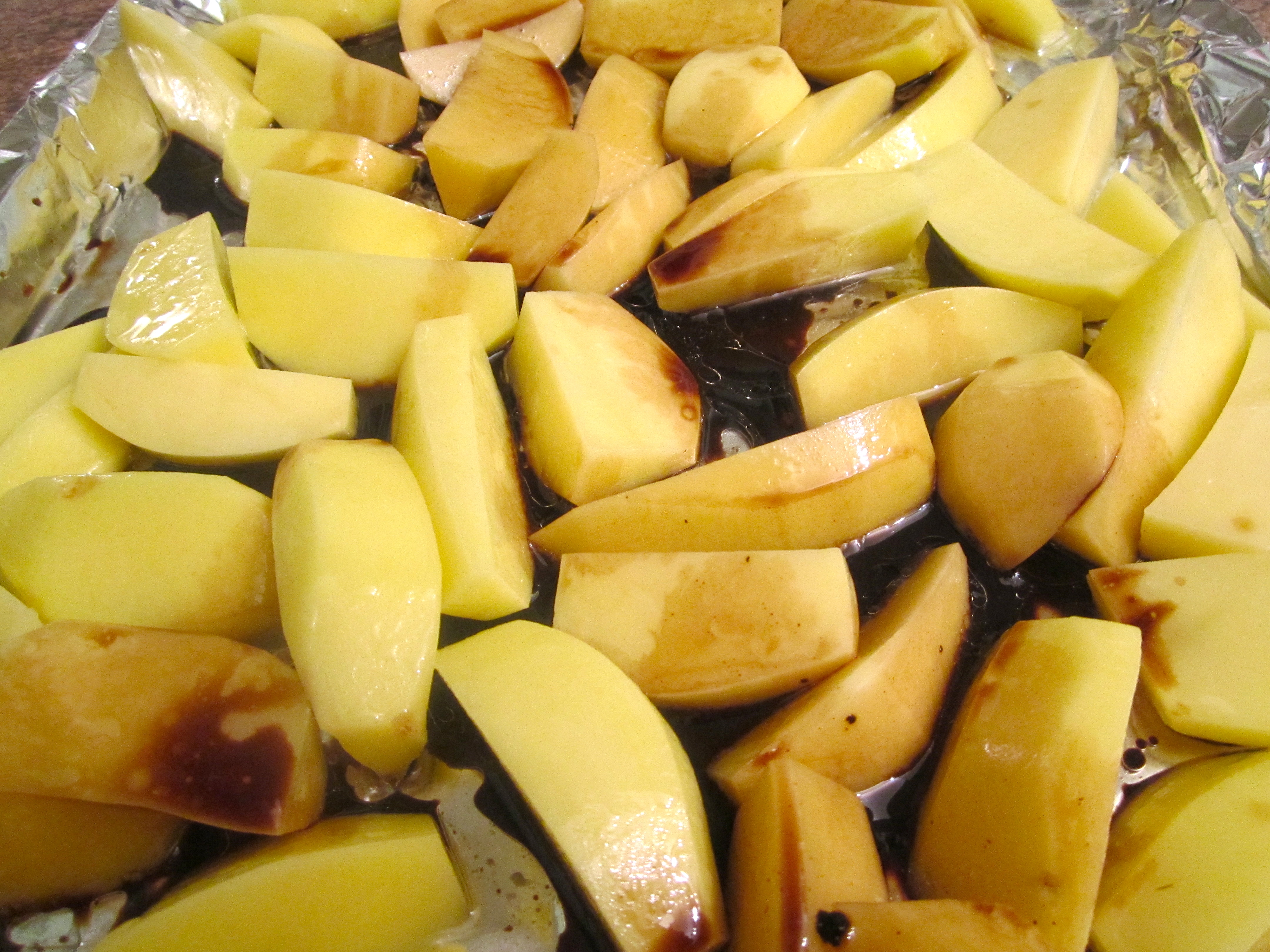
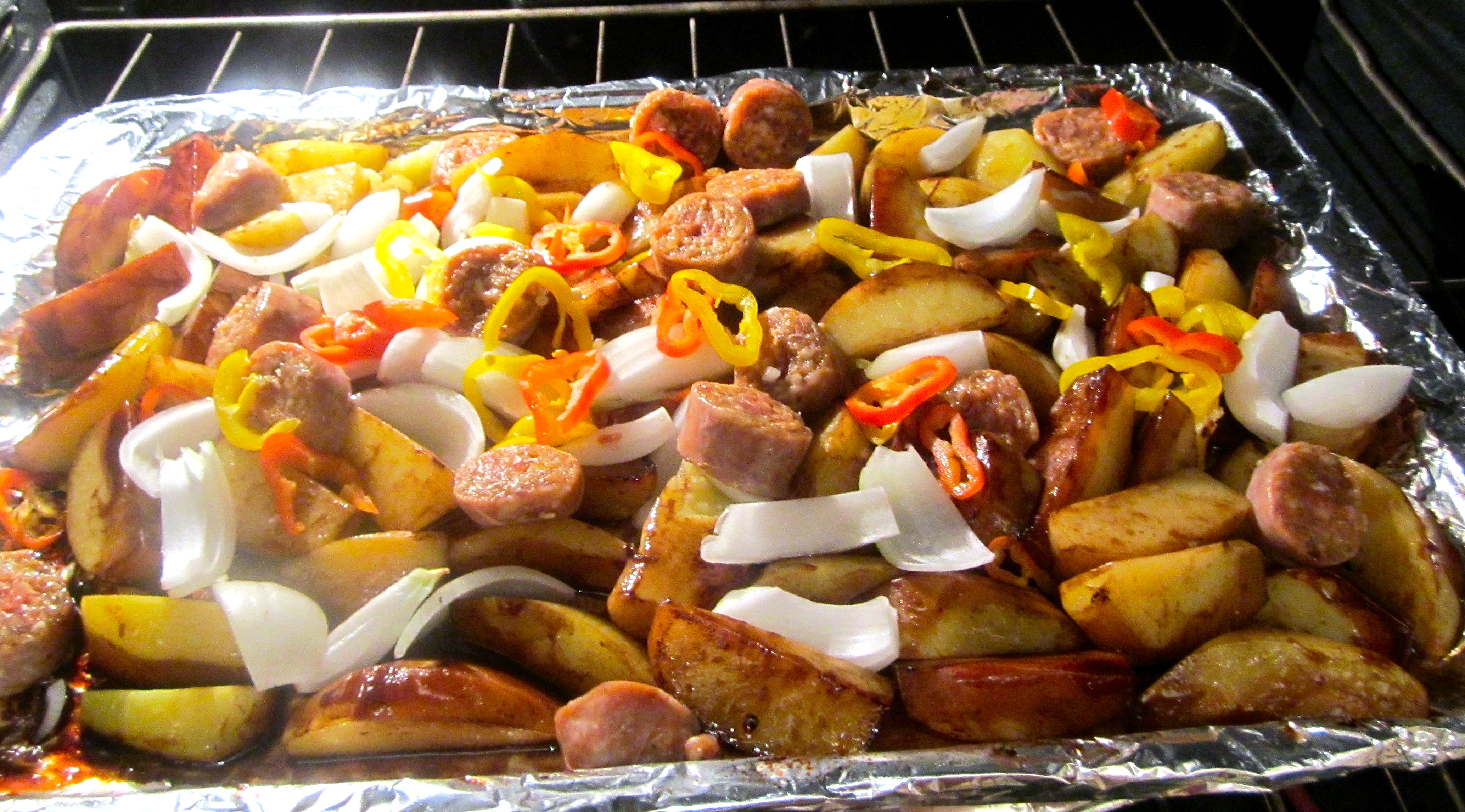
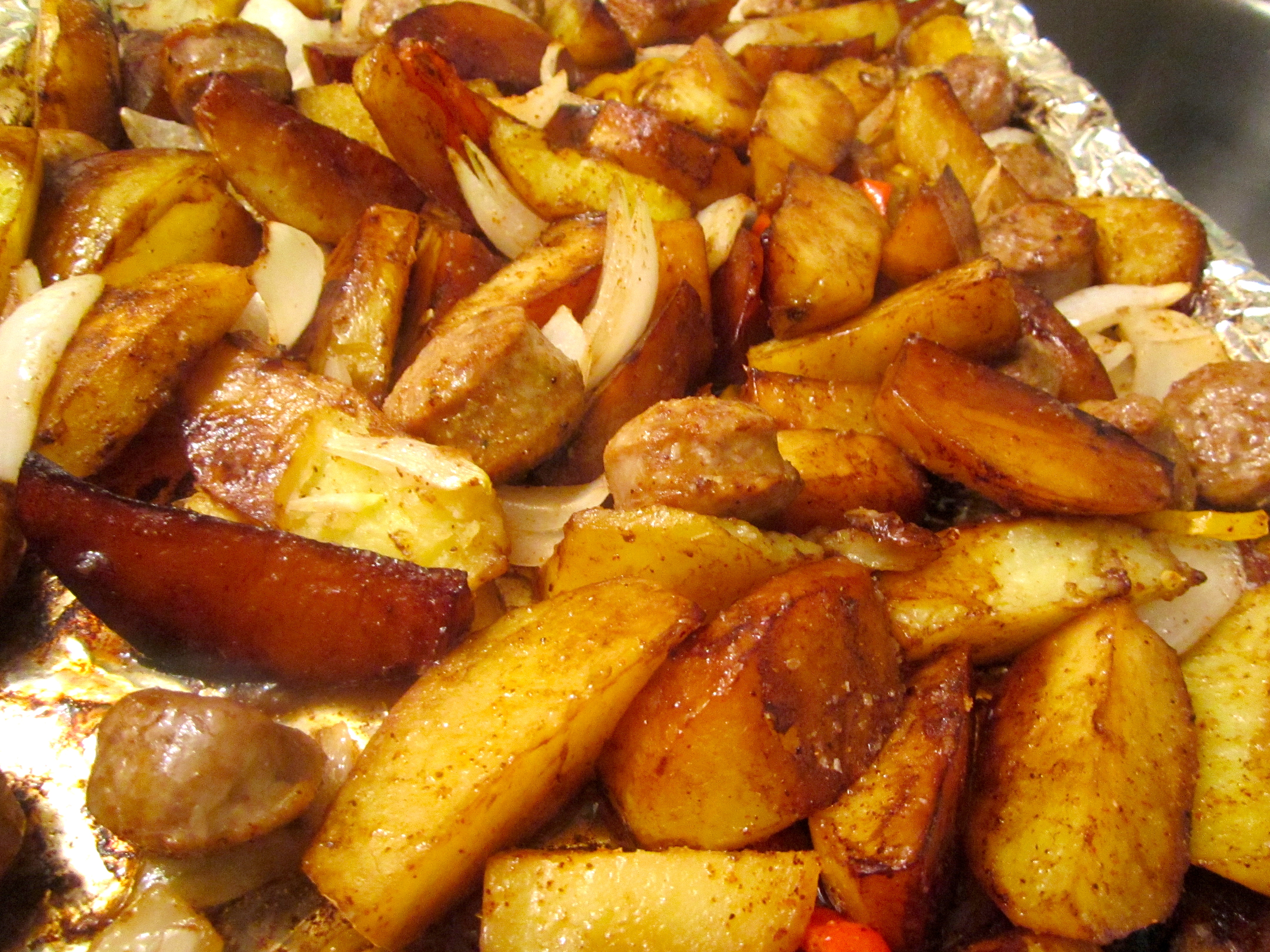
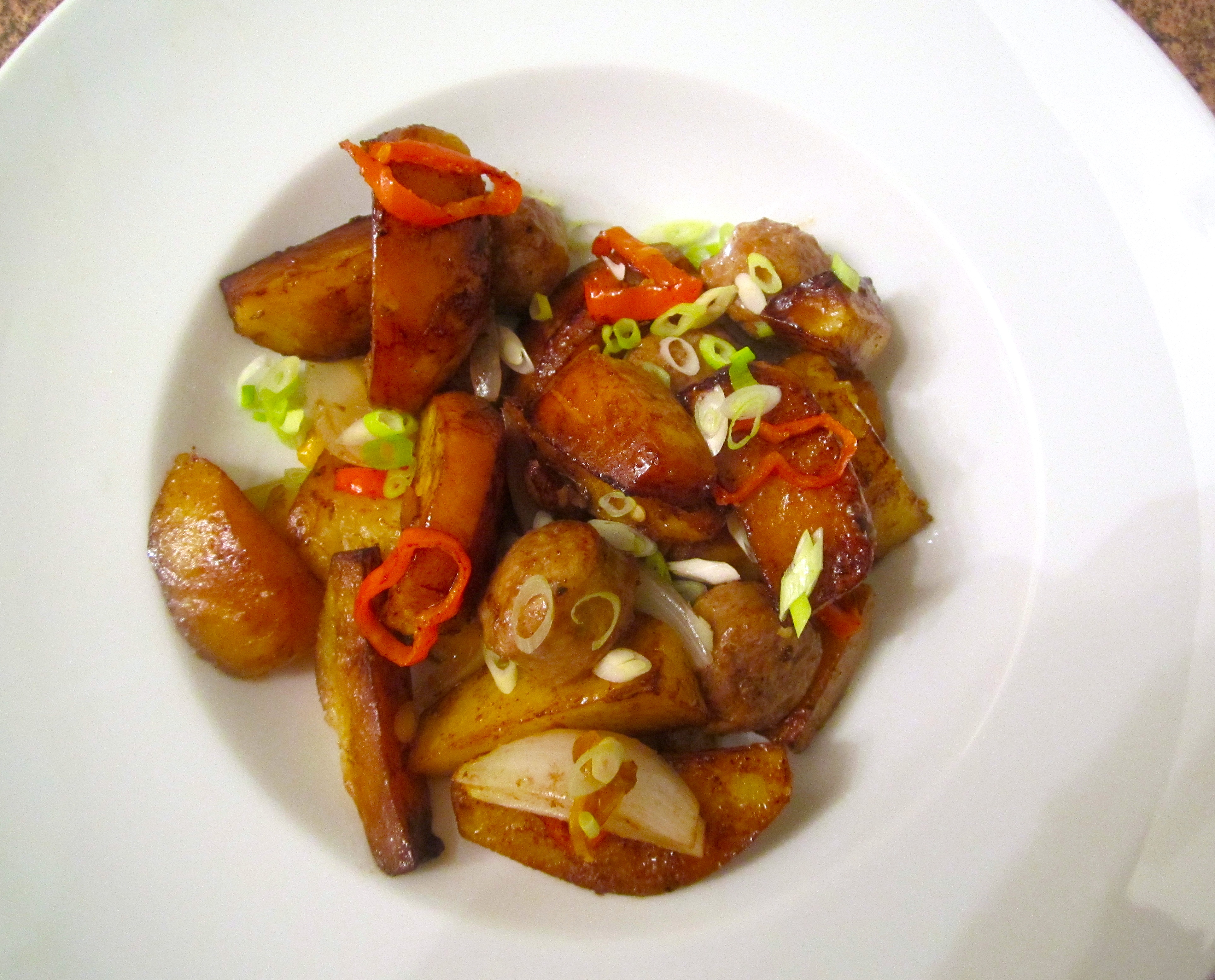
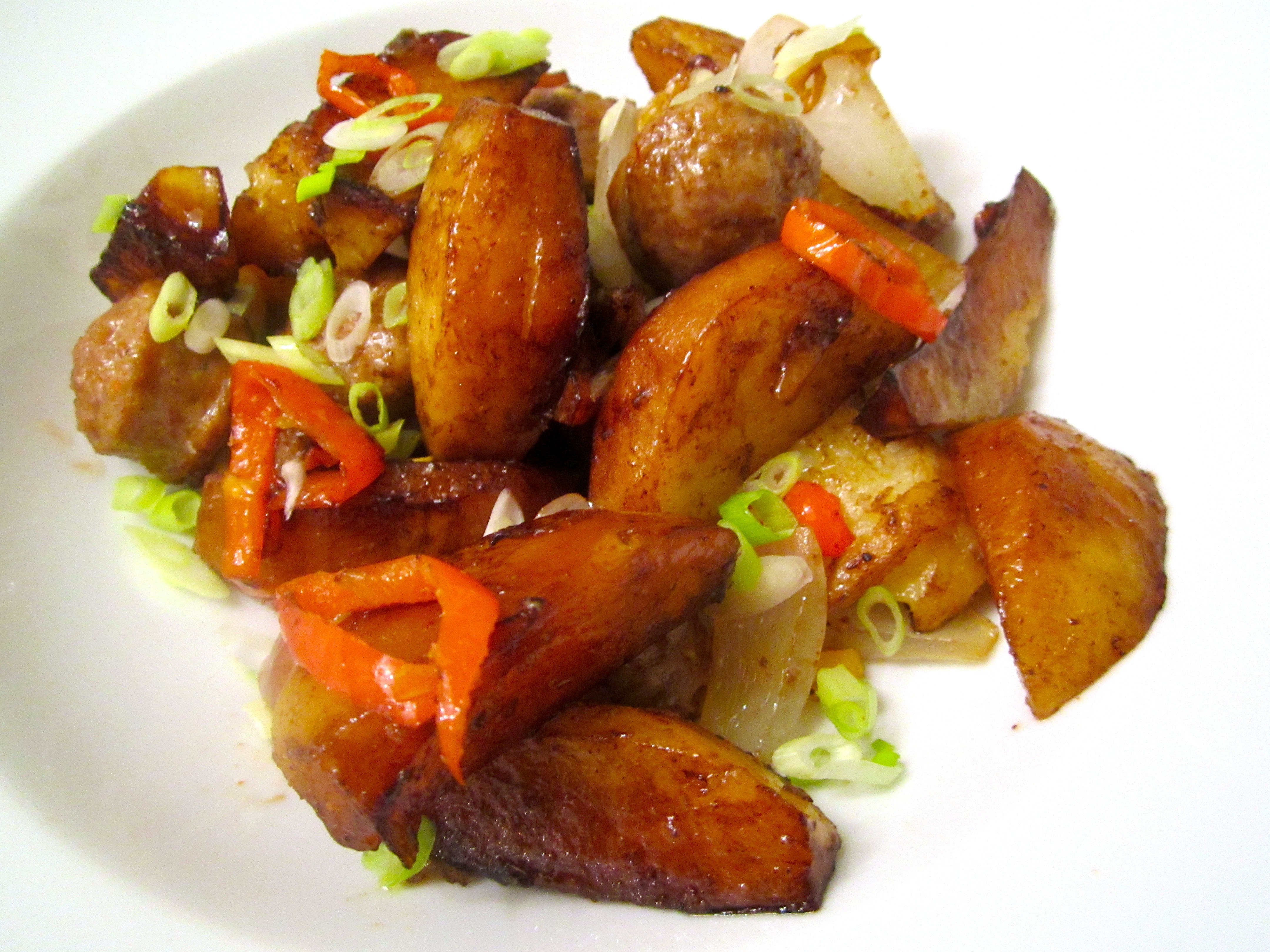
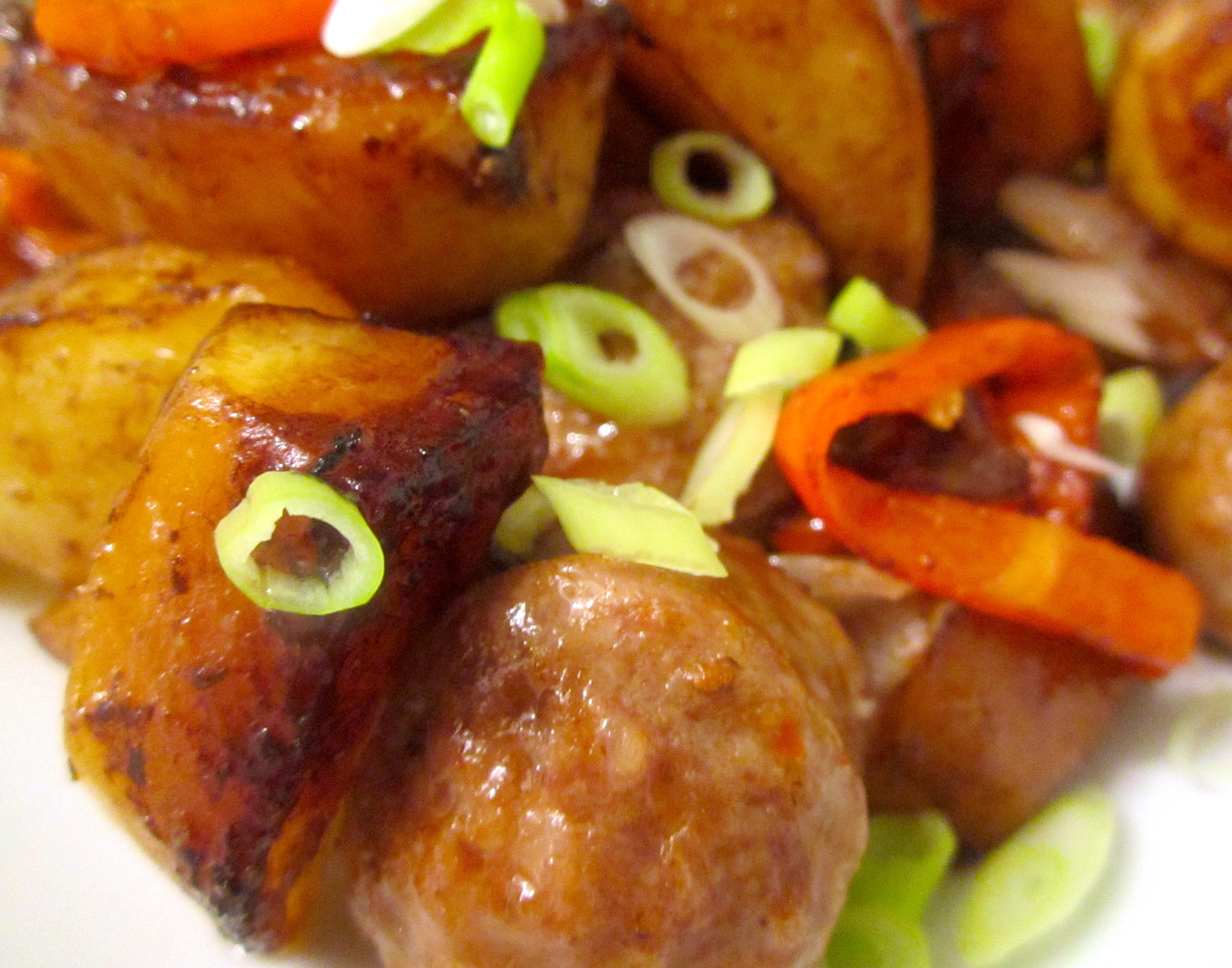
” Potatoe’s Balsamico “

.
.
Of all potato dishes in the world,
this is my absolute favorite !

Potatoes,
Balsamic Vinegar, 

Garlic,
Onion,
Spicy Sausage,
Olive oil,
Chilies,
Scallion,
Kosher Salt,
Fresh Ground Pepper.
Cover potatoes, vinegar, salt and pepper with foil, steam in oven at 420 until soft.
Remove foil, add all other ingredients and roast until golden brown.

Bon Appetit ! Life is Good !
.
.


.


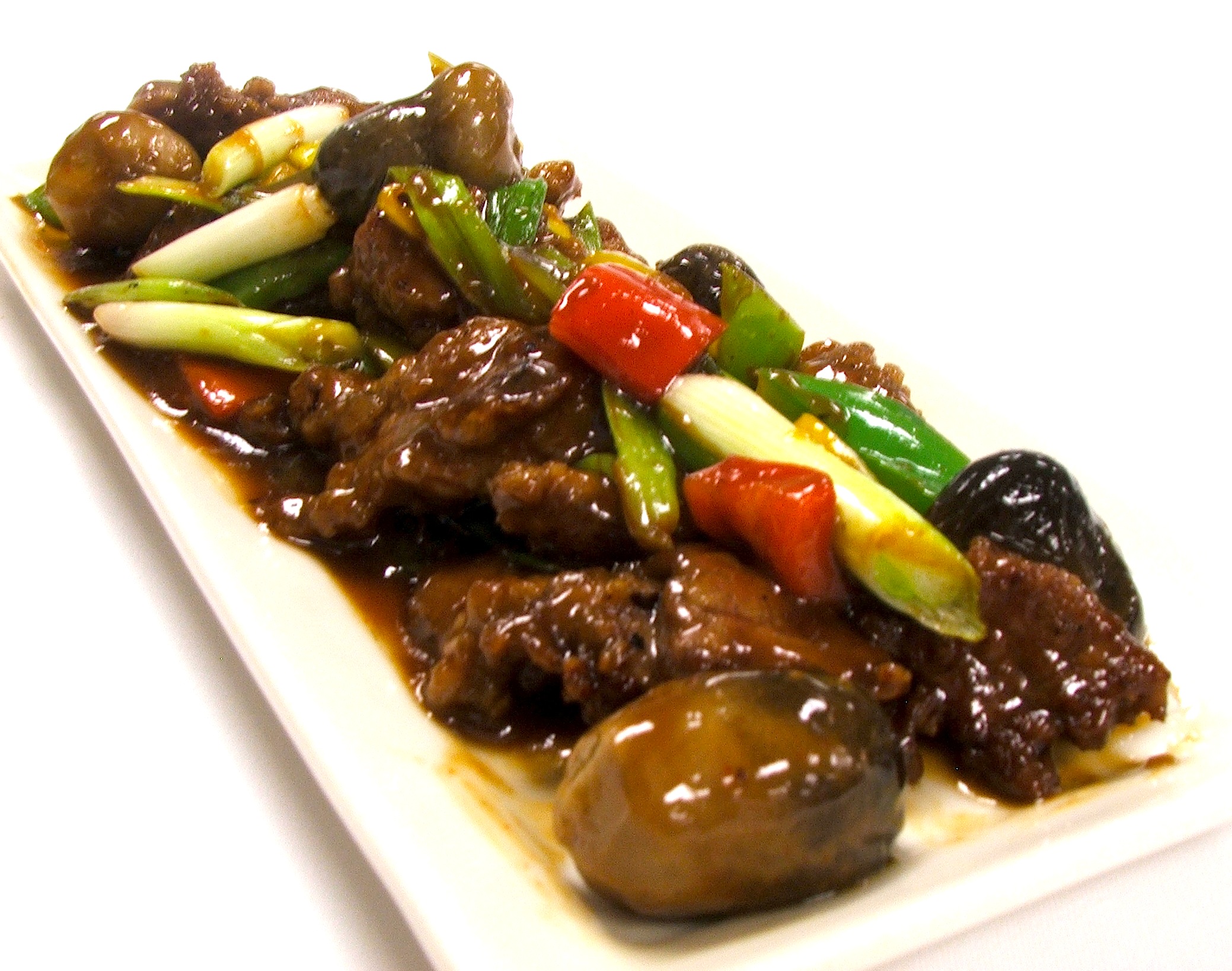
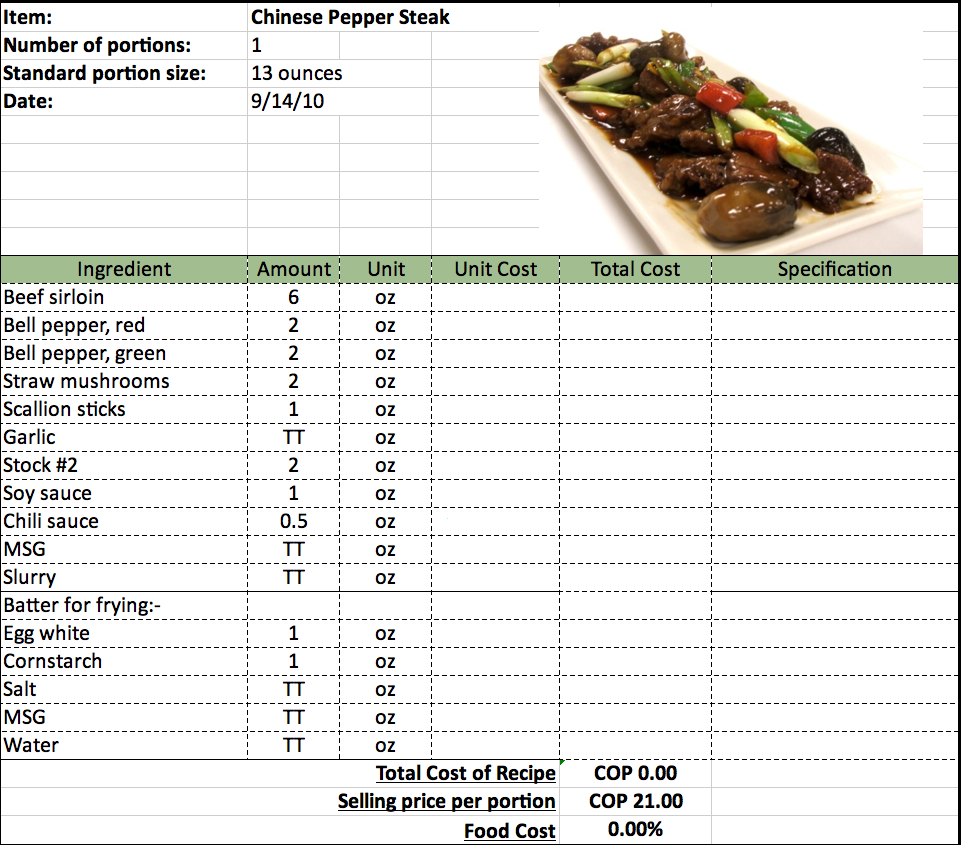
” Chinese Pepper Steak “

.
.
A shot from my past.

(Bogota, Columbia).:-).
.
.

.
.

Bon Appetit !   Life is Good ! 

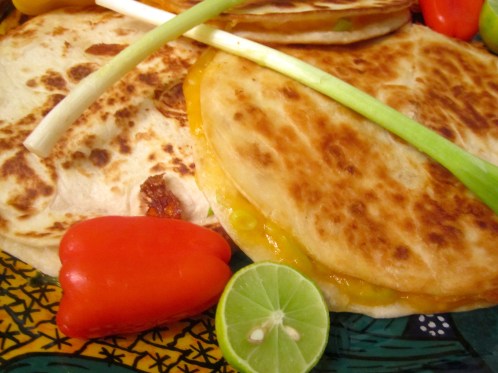
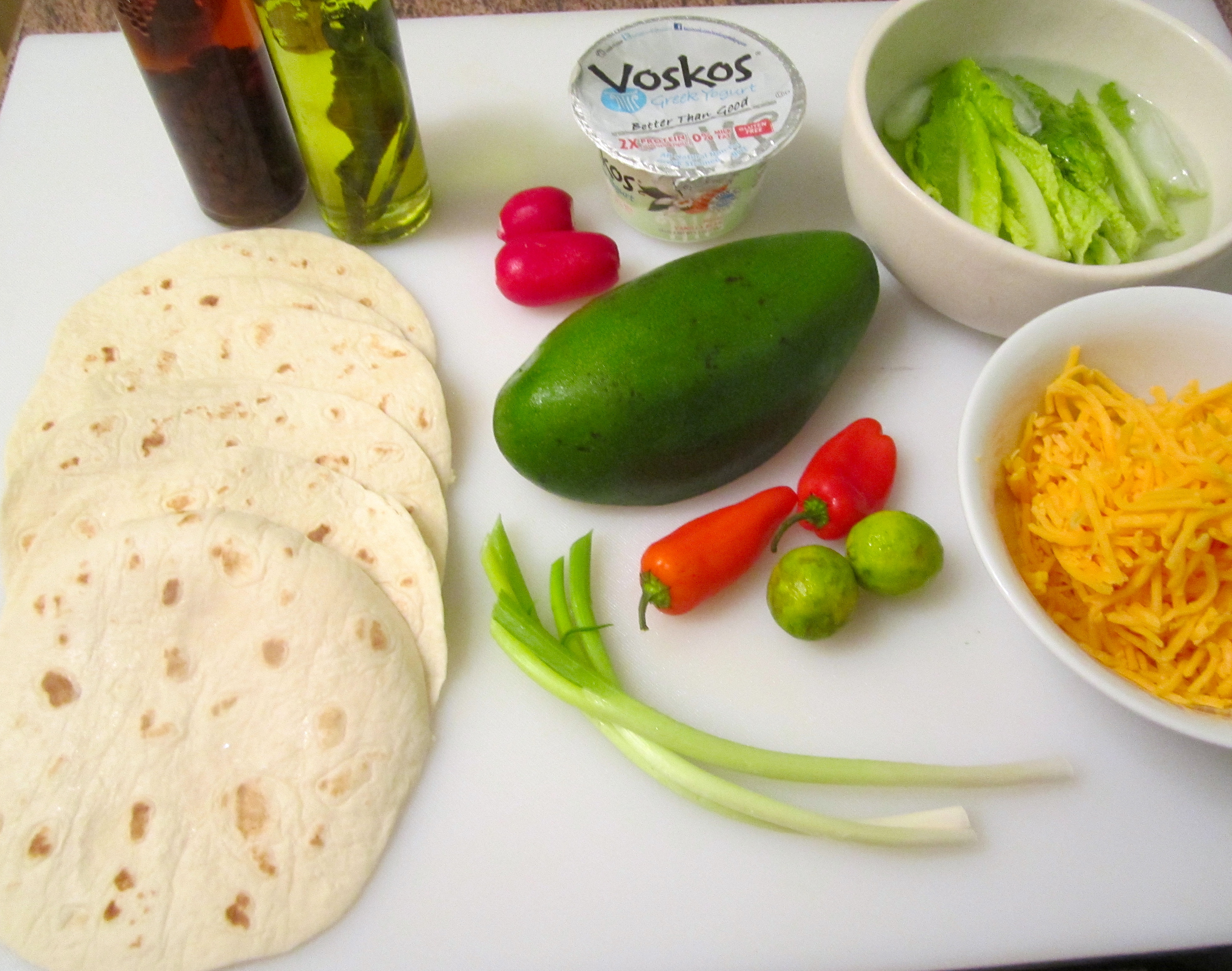
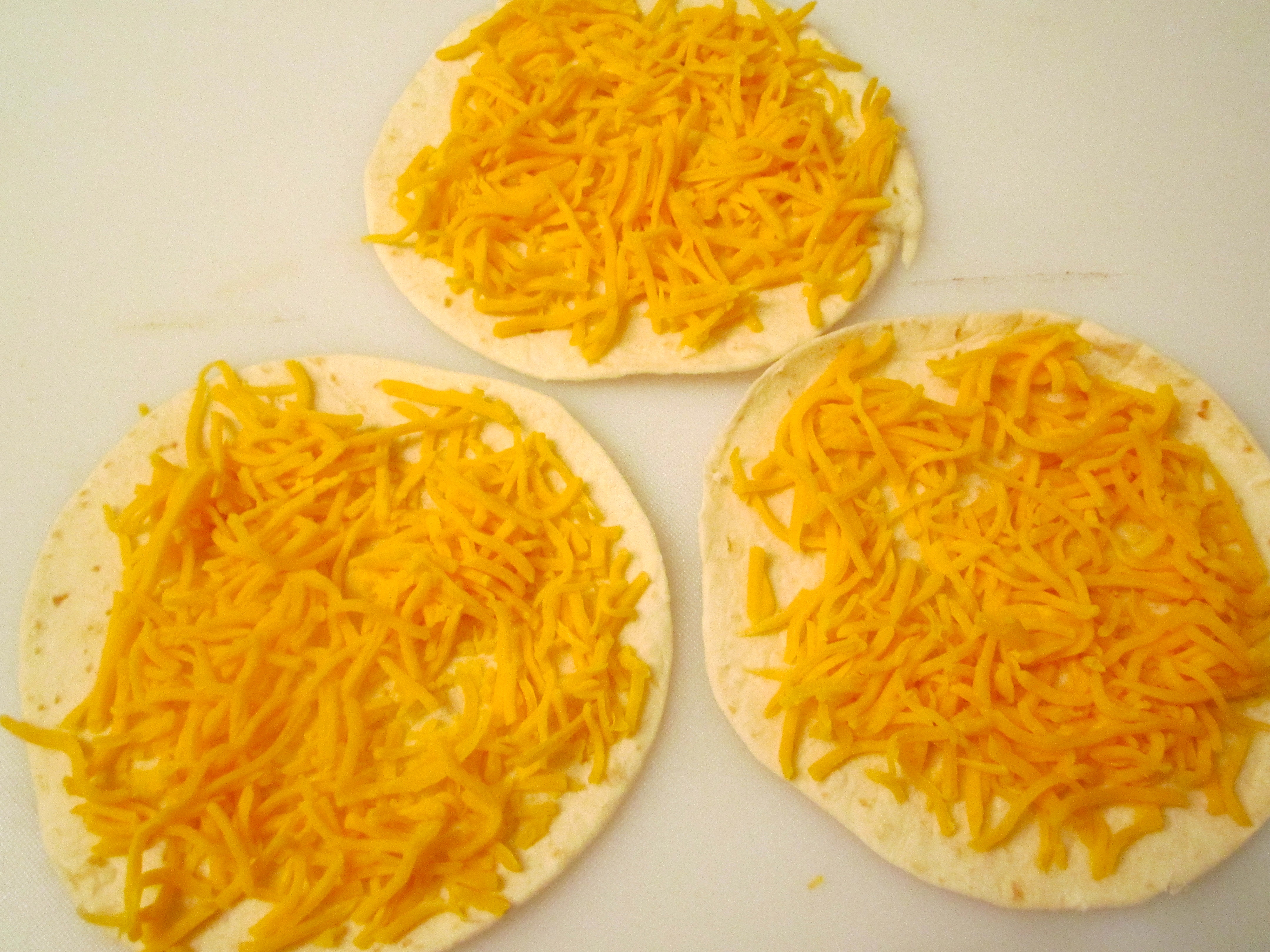
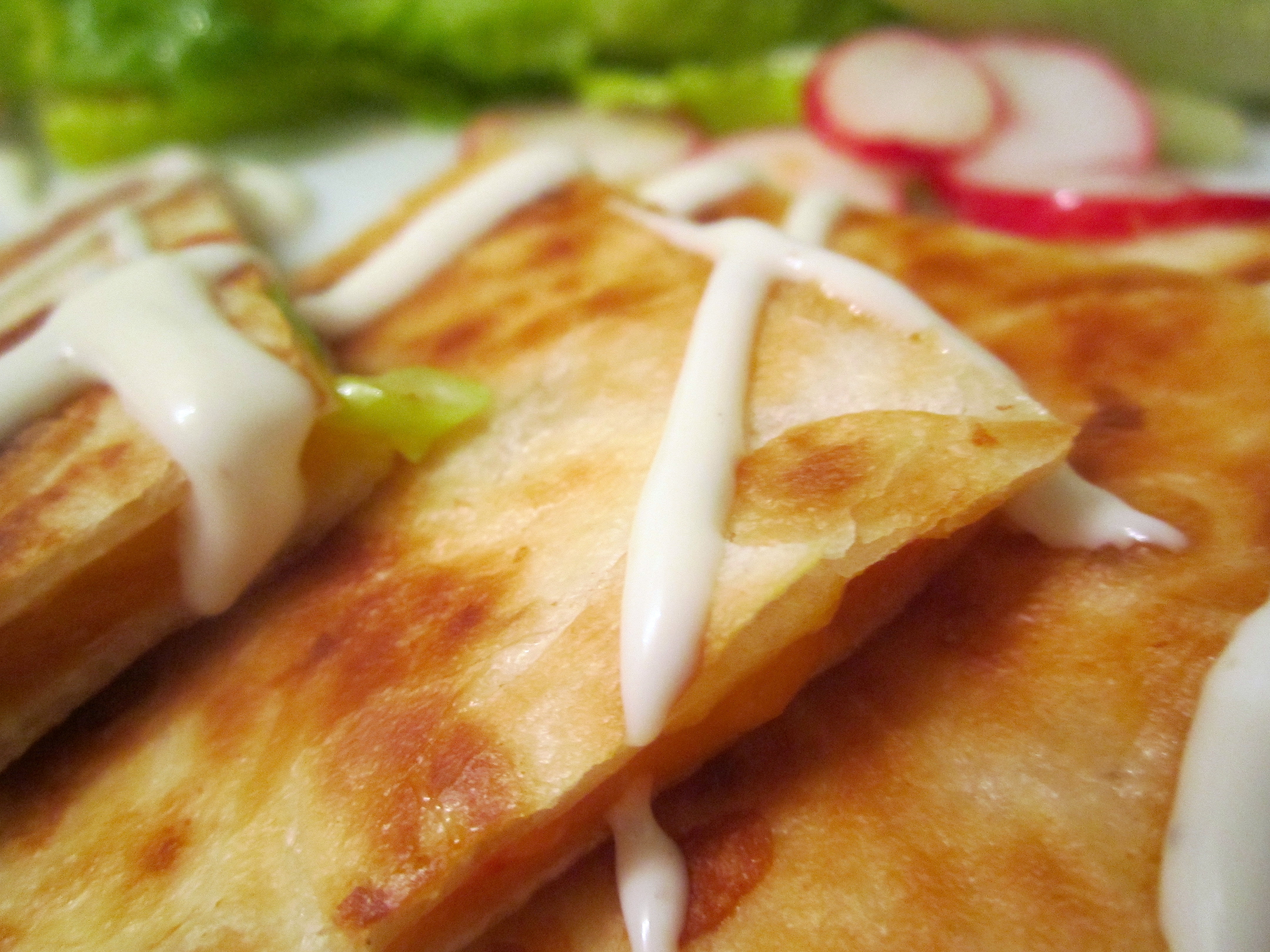
” Quesadillas “

.
.
So now, no more excuses like :

” I don’t have time to cook “,
or :
” I don’t know how to prepare Mexican food ”

If you or your partner can’t do this, sell your kitchen !

Bon Appetit !  Life is Good !
.
.>

>

>
>


.

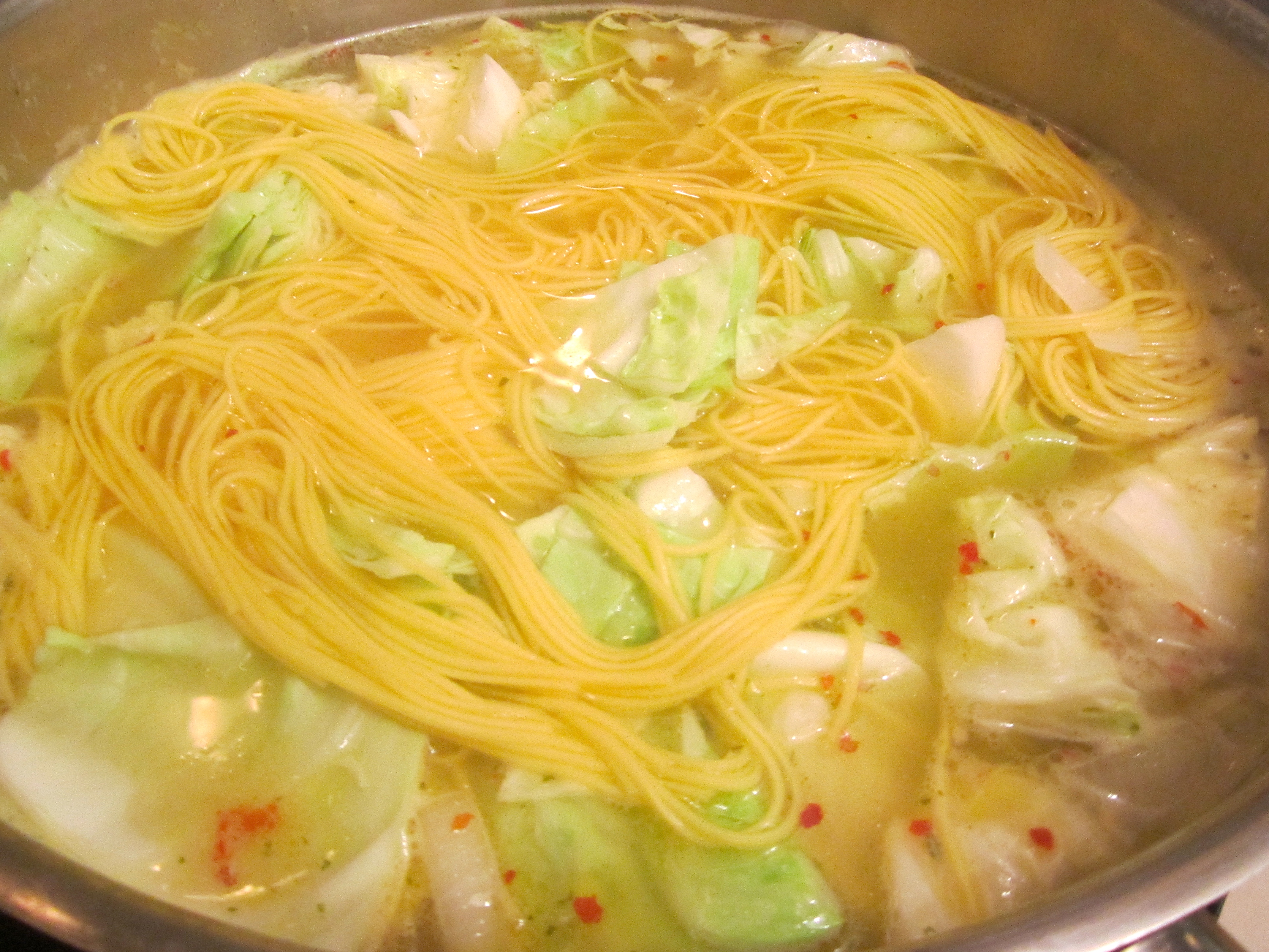
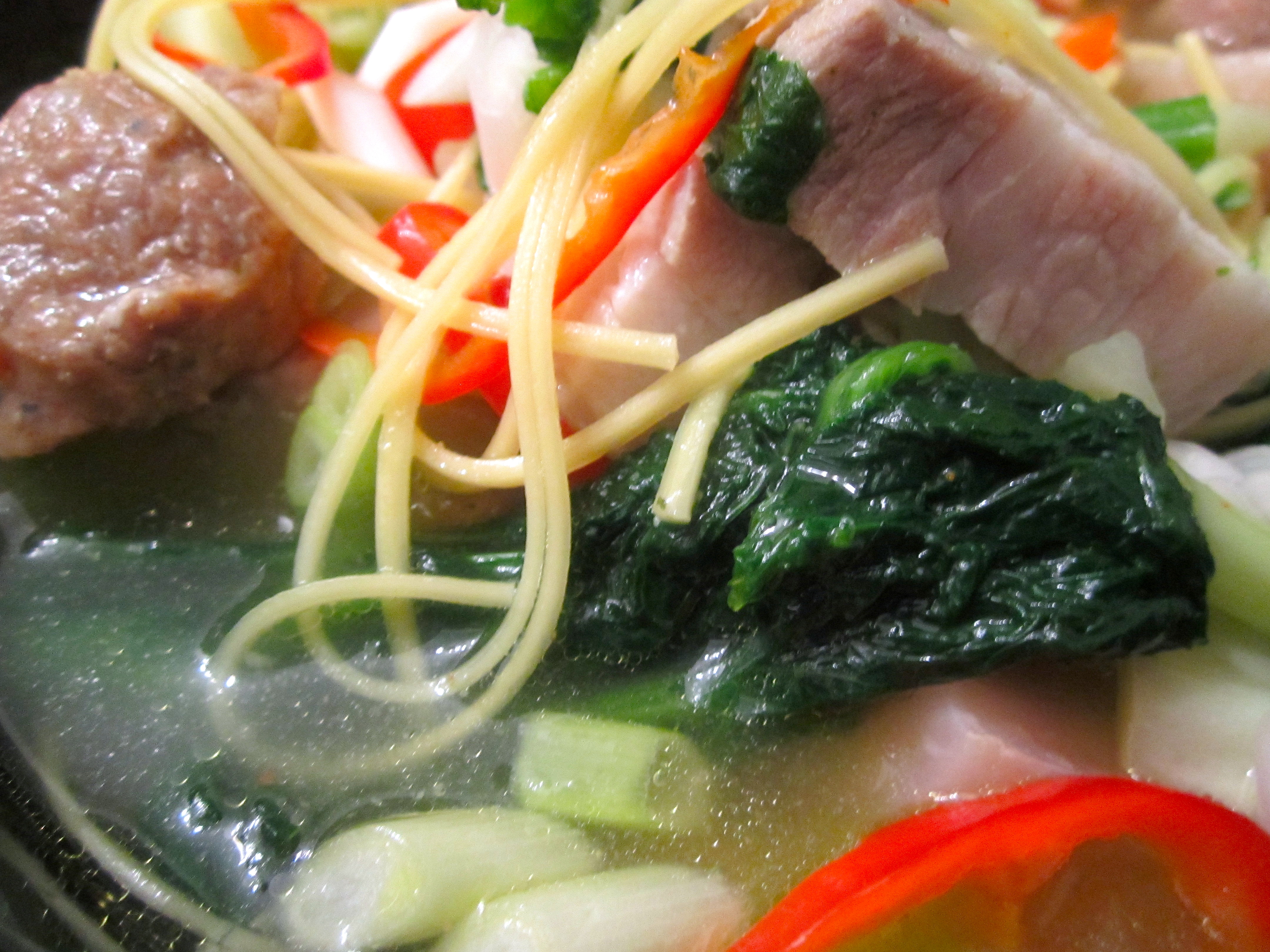
” Spicy Yee Mee Soup, Pork & Vegetables “

.
.
Yesterday I simmered some pork belly and used half of it to make ” Pork Belly Tacos ”
I saved the other half of the belly and the stock for today’s Dinner.
The result was just  as delicious as I expected. In most fine dining in Europe and
the United States we usually don’t use pork stock. In Asia on the other hand, it is a
common soup base  and widely appreciated for its richness and debt.
.
.


.

Life is Good !   Bon Appetit !
.