opinion

” Are Rare Steaks Really Better? A Butcher’s View “

.
.

I found this interesting story on “Huffpost”

Are Rare Steaks Really Better?: A Butcher’s View

Plus: A guide to different cuts’ ideal doneness

by Tom Mylan  June 19, 2012

In the game of food dork one-upsmanship, the rarer you order your steak, the more of a real gastronome you are—it means you like your meat good and a little dangerous, like it was meant to be. I always took this carnal orthodoxy as gospel; I mean, people who order their steak well-done deserve their own circle of hell. But…as much it pains my old, snobby self, I’ve started to prefer some of my steaks a little more towards the medium end of the spectrum than I’m completely comfortable with.

But why? Aren’t rare steaks juicier and more tender? Well, not necessarily. I started doing some experimenting—I’m no scientist, but even a knuckle-dragging son of a construction worker like me can learn a thing or two—and it turns out in some cases, cooking your meat a little more can make for better texture and flavor. Blame fat, collagen, and chemistry.

Ribeyes, for example, are downright gross when cooked black-and-bleu. I know there are probably a lot of old French guys rotating in their graves right now, but hold on—ultra-rare ribeyes are gross because all that luscious fat that rims the meat, the best part of the steak, doesn’t really render when barely cooked, making it weird and pasty.

In contrast, the prime ribs of my Reno, NV youth were slow roasted………. Read more HERE
.
.

” I was once asked what I could cook and I told them: everything! “

Russ Orford • @ Shelley, most “good Exec Chef” starts just there on the line. We have the burns the cuts to prove it. At 52, I can still give the young ones a run for their money, and not because I am fast but because I get it right and I know. However as A Exec chef the job has taken me elsewhere in the kitchen to oversee the prep the ordering, the following of health codes, OHSA, Inventories, and Training, costing of menus. The endless meeting that management feels I need to be at. The fixing the mixer and fridge door Because there is no money left in the R&M budget, and over a 100 other things that come up every day to keep the kitchen running, and yes I still get time to do the thing I got into this job for TO COOK on the line working one or two meal parts per day like breakfast, lunch and dinner. Really if I took my wage and divided it by the hours I work you would see a Slave wage, after all most cooks are on an hourly rate and when their shift is up it is up and they go home. Unlike a exec chef who stays until the job is done. I am first in and most time last out of my kitchen. I do not have a degree I did my Apprenticeship of 3 years working under hard talking hard drinking 1st and 2nd cooks , being trained my exec chefs who knew how to train cooks and chef and also had no degree , I have had many a “ young Chef “ who has come to my kitchen with a degree and they could not even cook an egg ! Why you may ask well as one young degreed chef told me “we were only shown how to do that one or two times before we moved on to more interesting food items!” I cannot tell you the amount of eggs I cooked before the chef would allow them to be serve to the guest, and until I could do that I was not allowed to “move on to the more interesting food items “and that in a nutshell is why we as chef are paid poorly, as most of these young chefs with degrees cannot do the basis things and so we all get batched in to one happy group. I was once asked what I could cook and I told them: everything! The person asked me how I could cook everything and that was impossible! I told him I had good training from the first day I walked into a kitchen I was taught the basis again and again until I got them right and was not allowed to move on until I got them right. Most line cooks know the food they are cooking the menu they are working on, repetition builds speed not knowledge Take a line cook off the menu he is working on and give him a new menu and he is like a duck out of water. I have seen many a “bull cook” have the wind taken out of his or her sails with a “new menu “

Read more HERE 

” It’s safer to make a salad on a toilet seat than it is to make one on a cutting board “

.
.

“In most cases, it’s safer to make a salad on a toilet seat than it is to make one on a cutting board,” says Dr. Charles Gerba (a.k.a. Dr. Germ), a microbiologist and professor at the University of Arizona in Tucson. “People disinfect their toilet seats all the time, but they don’t realize that they really need to pay attention in the kitchen too.” Since 1973, he’s been studying the hidden bacteria lurking in American homes, and his findings should influence your behavior when it comes to storing a toothbrush (in the medicine cabinet) and how to flush a toilet (lid down). Here, Dr. Germ identifies the top five dirtiest spots in the kitchen and gives advice on how to banish nasty germs.
By Alessandra Bulow, Food & Wine

.
.


1. Sponges and Dishcloths

“We did a survey collecting 1,000 sponges and dishcloths in kitchens, and about 10 percent had salmonella. They get wet and stay moist, so bacteria grow like crazy. The most E. coli and other fecal-based bacteria in the average home are on a sponge or cleaning cloth.”

DR. GERM’S ADVICE: “Replace dishcloths every week and throw the sponge into the dishwasher or microwave it on high for 30 seconds.”

2. Sink

“There’s more E. coli in a kitchen sink than in a toilet after you flush it. The sink is a great place for E. coli to live and grow since it’s wet and moist. Bacteria feed on the food that people put down the drain and what’s left on dishes in the sink. That’s probably why dogs drink out of the toilet — because there’s less E. coli in it,” says Dr. Germ.

DR. GERM’S ADVICE: “Clean the sink basin with a disinfectant product made for the kitchen. Vinegar and lemon juice can clean some bacteria, but they can’t clean really bad pathogens, so the Environmental Protection Agency doesn’t recommend using them as an alternative.”

3. Cutting Board

“In most cases, it’s safer to make a salad on a toilet seat than it is to make one on a cutting board. There’re 200 times more fecal bacteria from raw meat on the average cutting board in a home than a toilet seat. Most people just rinse their cutting board, but poultry and raw meat can leave behind salmonella and campylobacter.” The latter bacteria, which can come from eating raw meat, is one of the most common causes of food-borne illness, according to the FDA.

DR. GERM’S ADVICE: “Use one cutting board for meats and another one for vegetables, so you don’t get cross-contamination. Boards can be cleaned with a kitchen disinfectant or put it in a dishwasher.” As to whether you should buy a wood or plastic cutting board: “We used to always recommend using plastic cutting boards, but wood seems to have antimicrobial resins, so it’s a toss-up.”

4. Bottom Shelf of the Refrigerator

“When we looked at refrigerators, the bottom shelf tends to have the most bacteria, because moisture and condensation drip down from the upper shelves. People often put produce on a bottom shelf and defrost a meat product above it.”

DR. GERM’S ADVICE: “Wipe down the bottom shelf every two or three weeks with a disinfectant cleaner that’s made for the kitchen. To avoid cross-contamination, put raw meat on the bottom shelf and tuck raw produce into a drawer away from everything else.”

5. Kitchen Countertops

“Kitchen countertops tend to be the dirtiest near the sink area because people wipe them down with sponges and cleaning cloths that have E. coli and other bacteria. The sponges and cloths just spread the germs all over the countertops.”

DR. GERM’S ADVICE: “Use a disinfectant kitchen cleaner and finish off by drying the countertop with a disposable paper towel. Paper towels are great because they absorb a lot of the moisture and bacteria and you can just throw them away.”

.
.
.

.

” Your own spin ! “

Here is some info / advise I’d like to share :

Hi Mark,

To answer your question for the recipe :
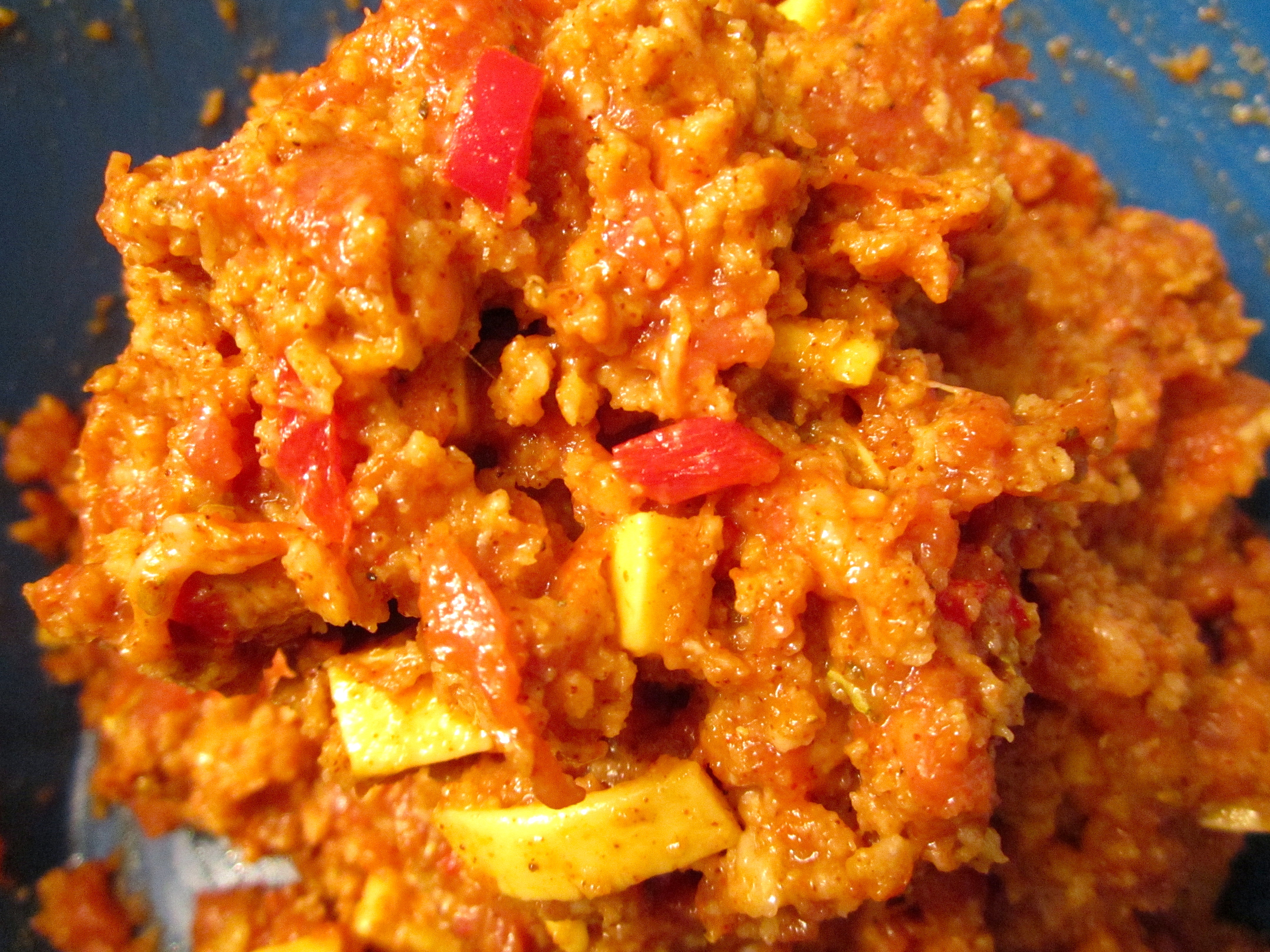
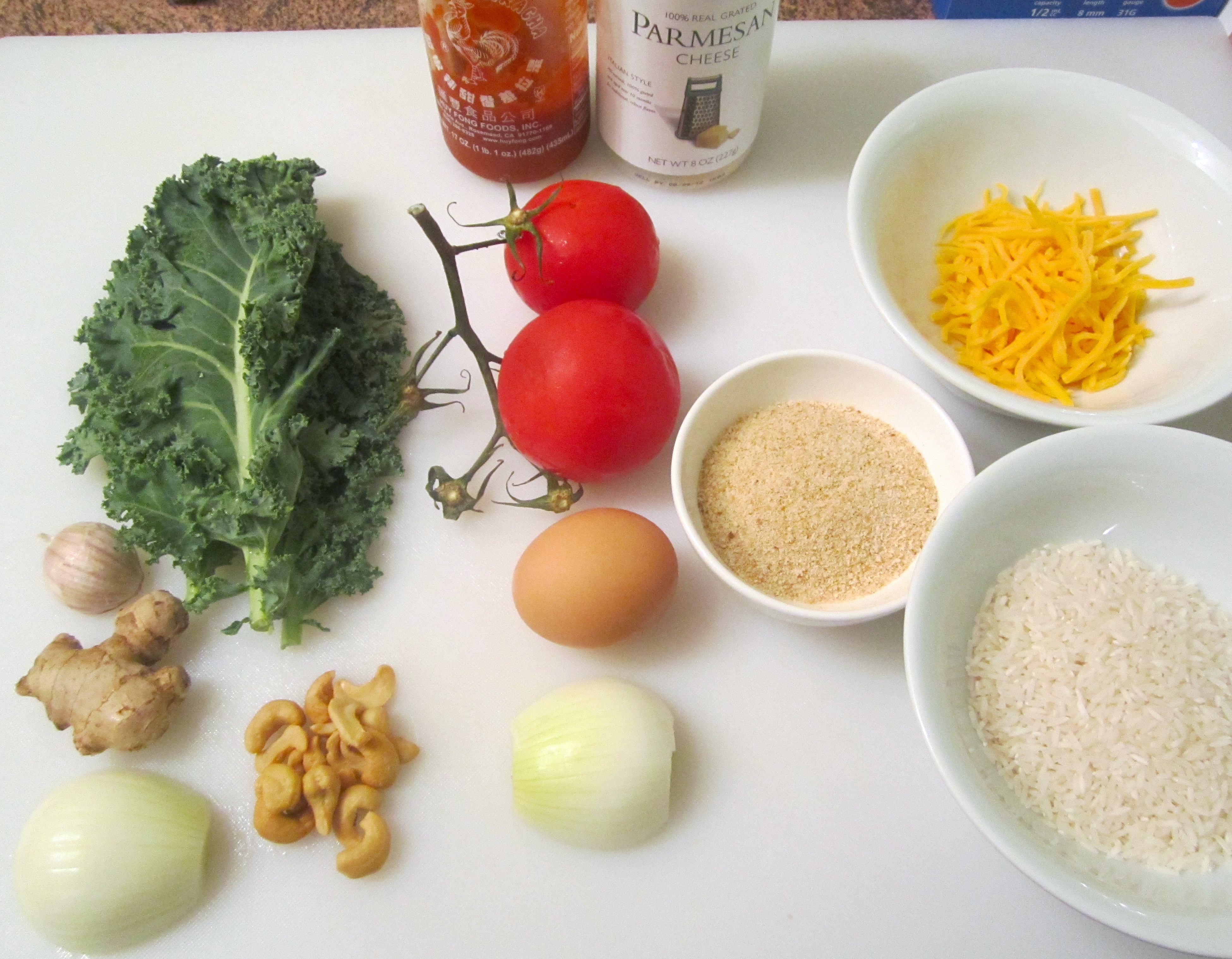
The ingredient’s (except most standard seasonings) are usually pictured in the first picture..
The idea is to have you add as much /  little of one ingredient as you like :
Don’t like much garlic? Add less! Love garlic?  Add more.
In savory cooking, recipes are usually just guidelines, which you should interprete
according to your taste and preferences (Don’t like butter? Use olive oil!
Don’t like butter nor olive oil? Use Canola oil or peanut oil or whatever fat you like !
Prefer your soup / sauce thicker or thinner ? Add more or less thickener !
Don’t want fat in your food? Leave it out!

Cooking is a labor of love.
Do what makes you happy, as long as you understand the guidelines.
  :-)

Bon Appetit !   Life is Good !

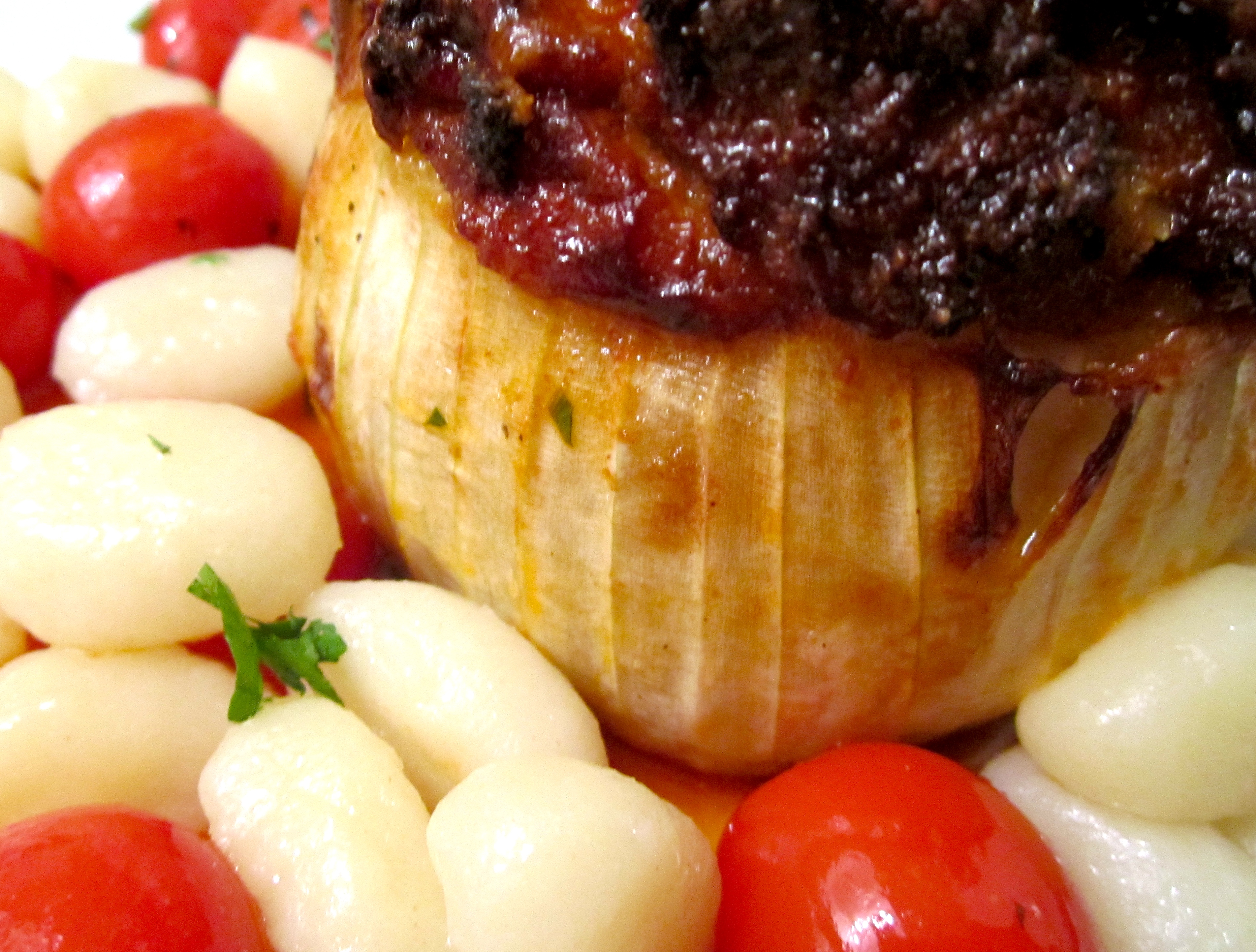
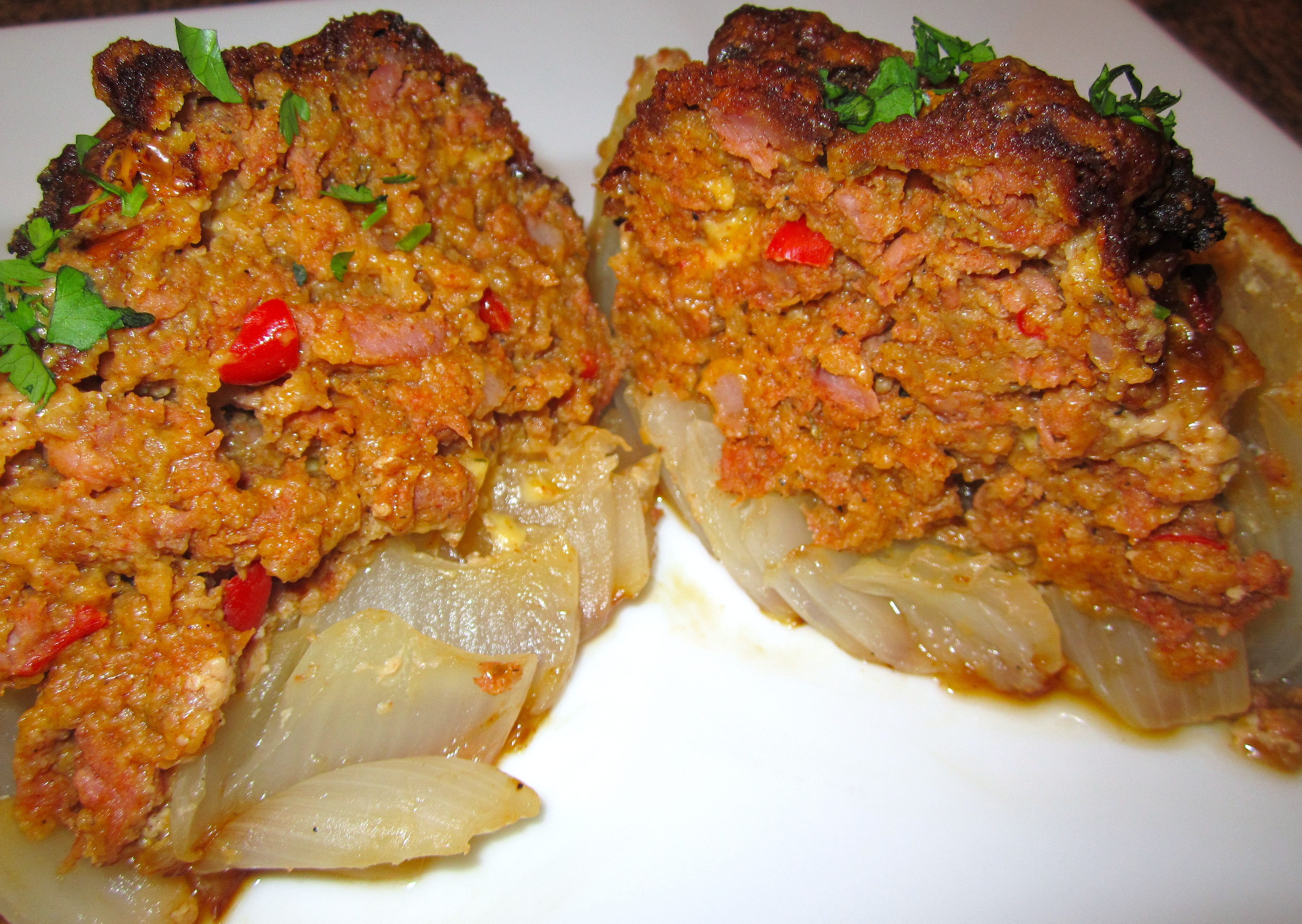
” Baked Walla Walla Onion Stuffed With Chorizo & Cheese “


>
>
No “Food Porn” here 😦
>

(other than the stuff you can get anytime at home if you really want it  )
– and that ‘s usually the best ” Stuff “,  anyway.
Delicious, satisfying, exiting food. What else is there ?
Yeah, I can think of a few things, but let’s stick to food 🙂
<
>

Bon Appetit ! Life is Good !
>
>
>

>
>
>

” Why are chefs so poorly compensated? “ 2


Why are chef’s so poorly compensated ?
Click HERE  to read original post !

Comment by John Rodriguez

“I remember in the 80’s and 90’s, Executive Chefs at top hotels were paid around
110,000 – 125,000 USD,now the same chef is making, well you guys know
(65,000- 85,000 USD)! so yes there are some truths in this! With all the young
talent fresh out of school our 20 some odd year professionals
salary caps have gone down “.

Seems to me the same thing is going on in other industries as well.  
In this age of  ” everything cookie cutter style “,
who need’s experienced managers anymore ?

For those who do not agree ask yourself
when is the last time
you got a substantial raise ?

” Sharpsville, Pennsylvania, Cafeteria Workers Win Right To Eat Free Expired Food “

Excerpt from an article in the Huff Post :

“Under the agreement, food items that are past their expiration date
or reheated in a way that they can no longer be served to students
may still be eaten for free by the cafeteria workers.”

This raises so many questions for me ! How about you ?
What’s wrong in a country where this can even be considered an issue ?

To read the full article, click HERE


” Useless – Or Worth The Trouble ? “

Useless – or worth the trouble?  
– trying to keep the “flame of excellence” going
for the next generation of cooks!

By Chef Hans Susser, CEC . CHE

Lately that’s a question that pops up, both in my head and during conversations with other experienced chefs, more and more frequently. Why do we do it and for what? Obviously the general impression of many old timer’s is that the younger generations “just don’t give a hood” anymore. While this might be increasingly true due to circumstances, I am happy to report that when we really look, we still see the diamonds in the rough being there, right under our eyes. Yes, they might be harder to spot because of the circumstances surrounding them (and sometimes us), but they are certainly out there. Maybe their numbers have been dwindling, but maybe this happened partially because we have stopped looking? If you need an expert about frustration, you found him right here. But then again, who are we to judge others when we fall into the same category. So, colleagues, both educators and especially professionals out there in the “real world” – keep on searching. We are getting paid to do so, but we should really be doing more because that is what set’s us apart from the mediocre rest that we so wholeheartedly criticize. The flame is still burning under our guard, so let’s keep it going, never to give up. Let the fuel be our knowledge, skills and care for our beloved profession. No flame can burn on hot air alone as so many wannabe “chefs” out there believe. One of the many sources of joy and satisfaction in our culinary profession is to discover that there are enough kids out there to carry on the flame in the future.
But for now, dear fellow chefs, don’t let the flame of excellence of culinary standards extinguish.

We, the REAL CHEFS, who possess the experience, knowledge and care, are still in charge to keep the flame burning – while we still can and care !

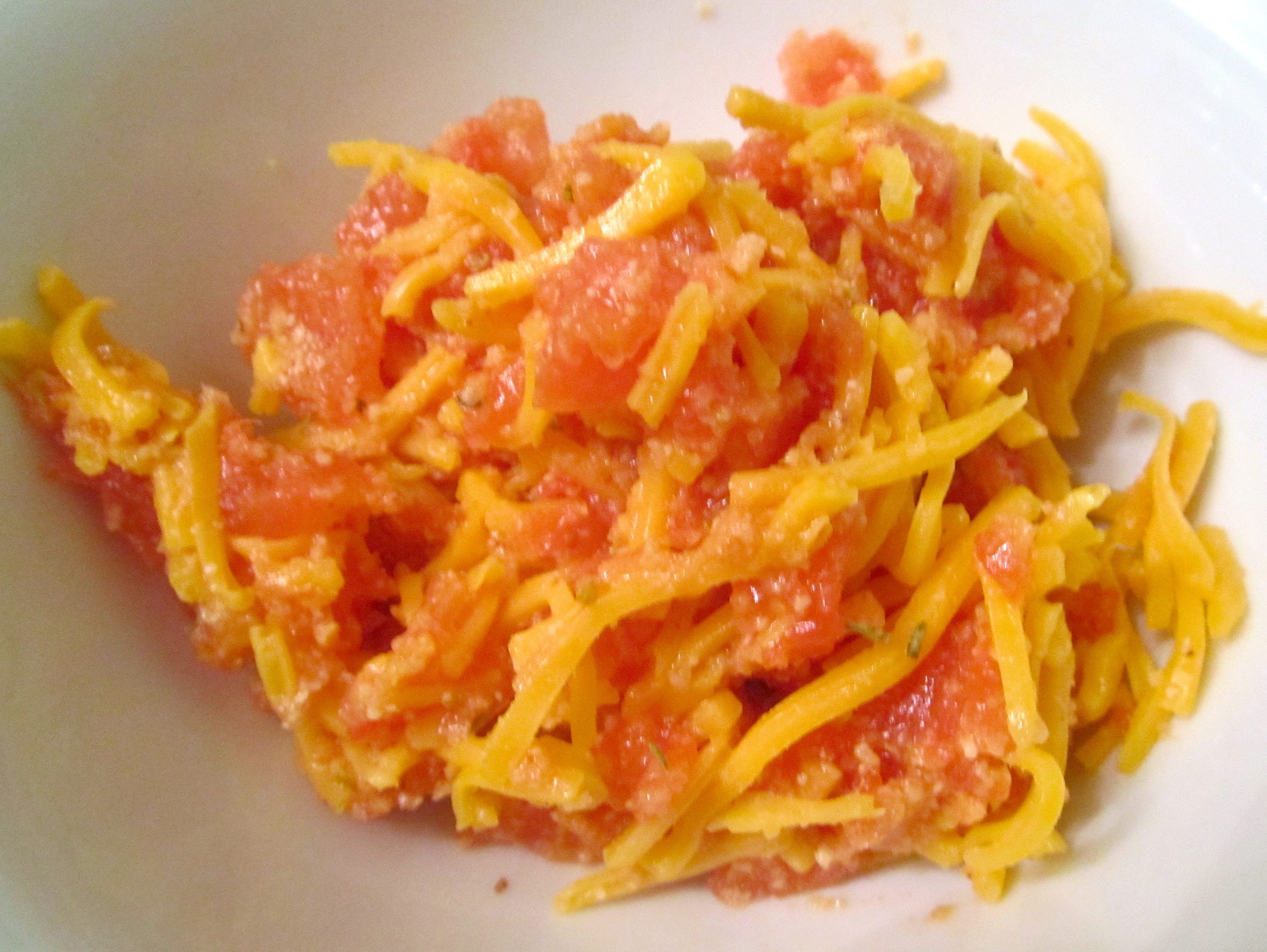
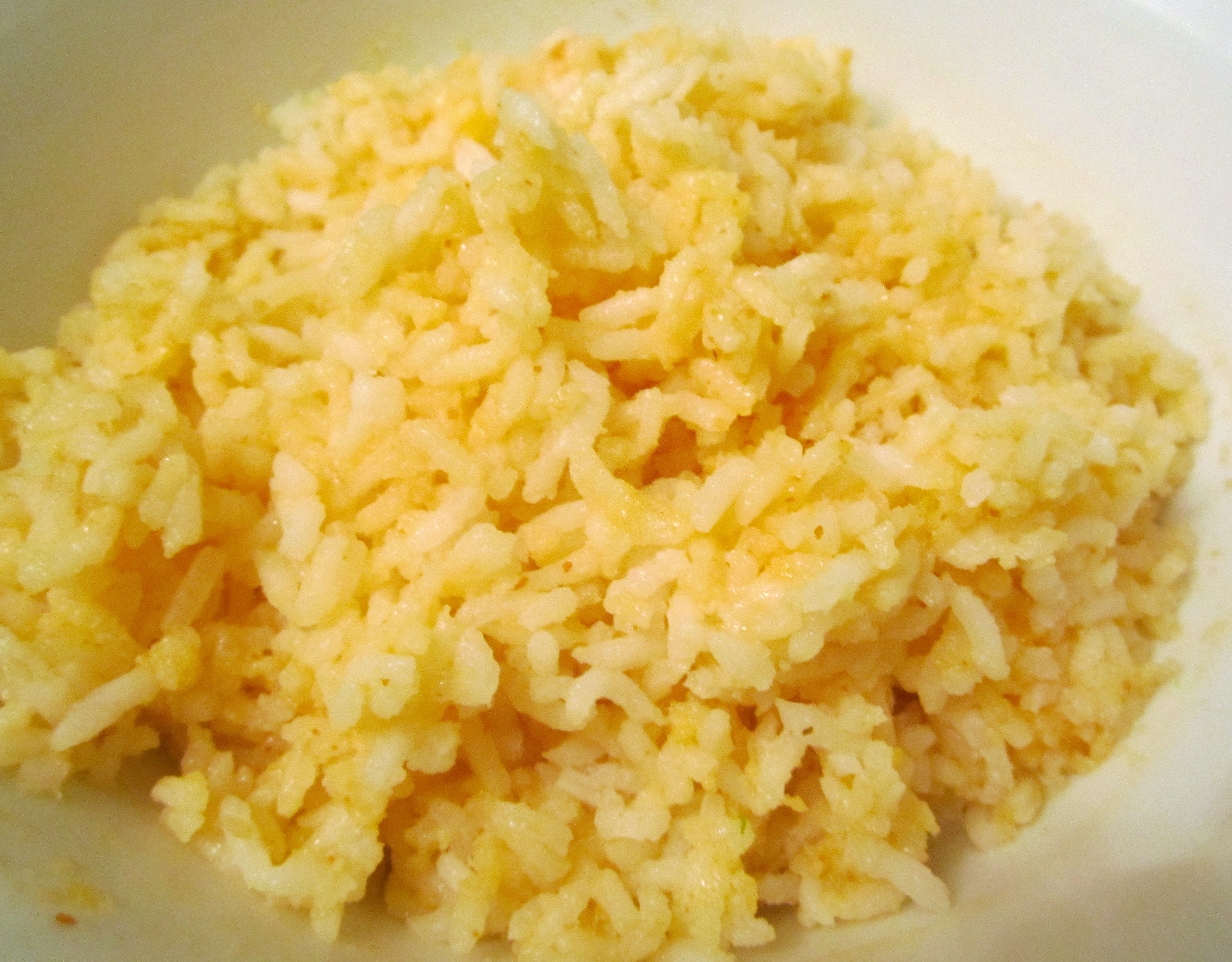
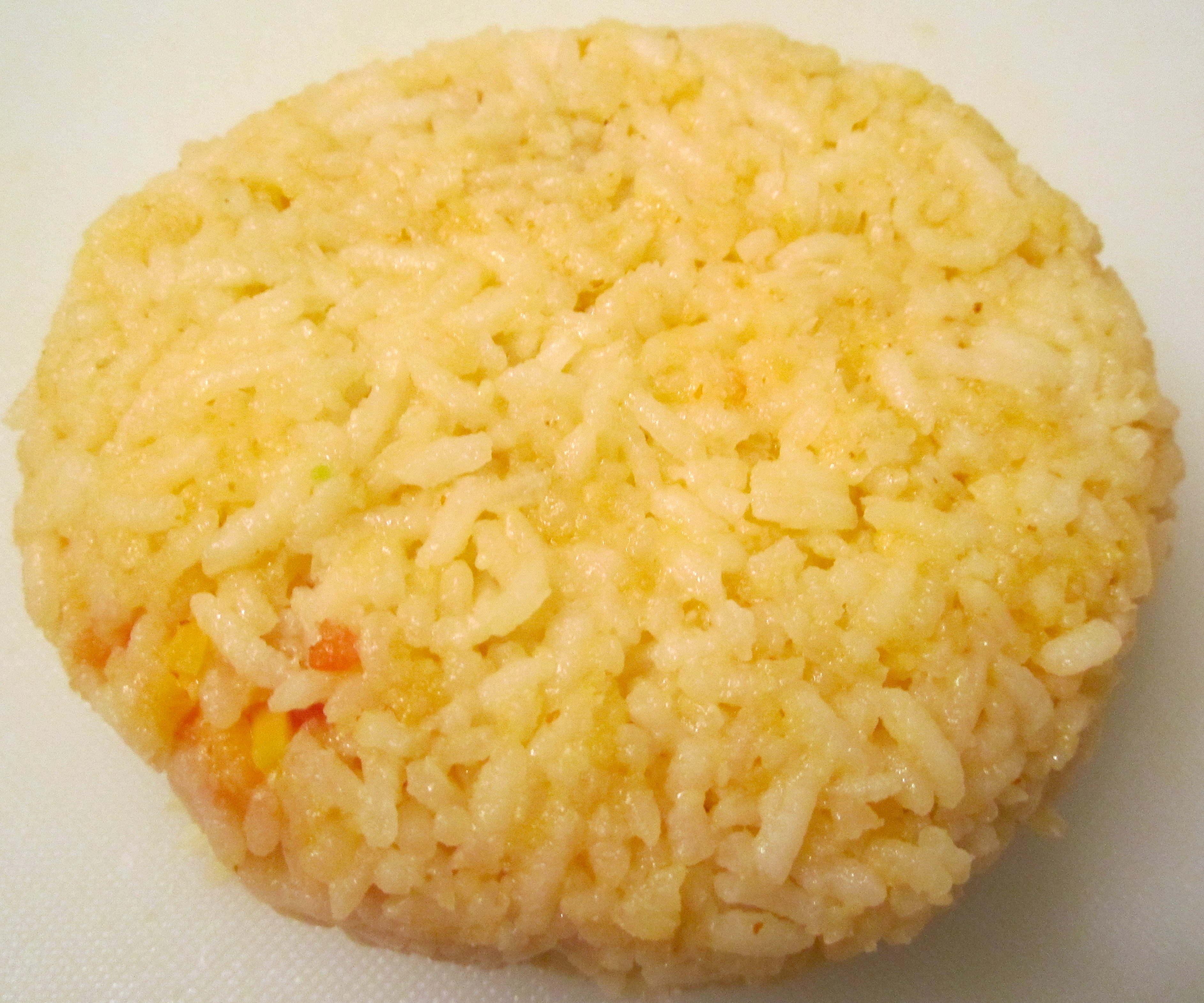
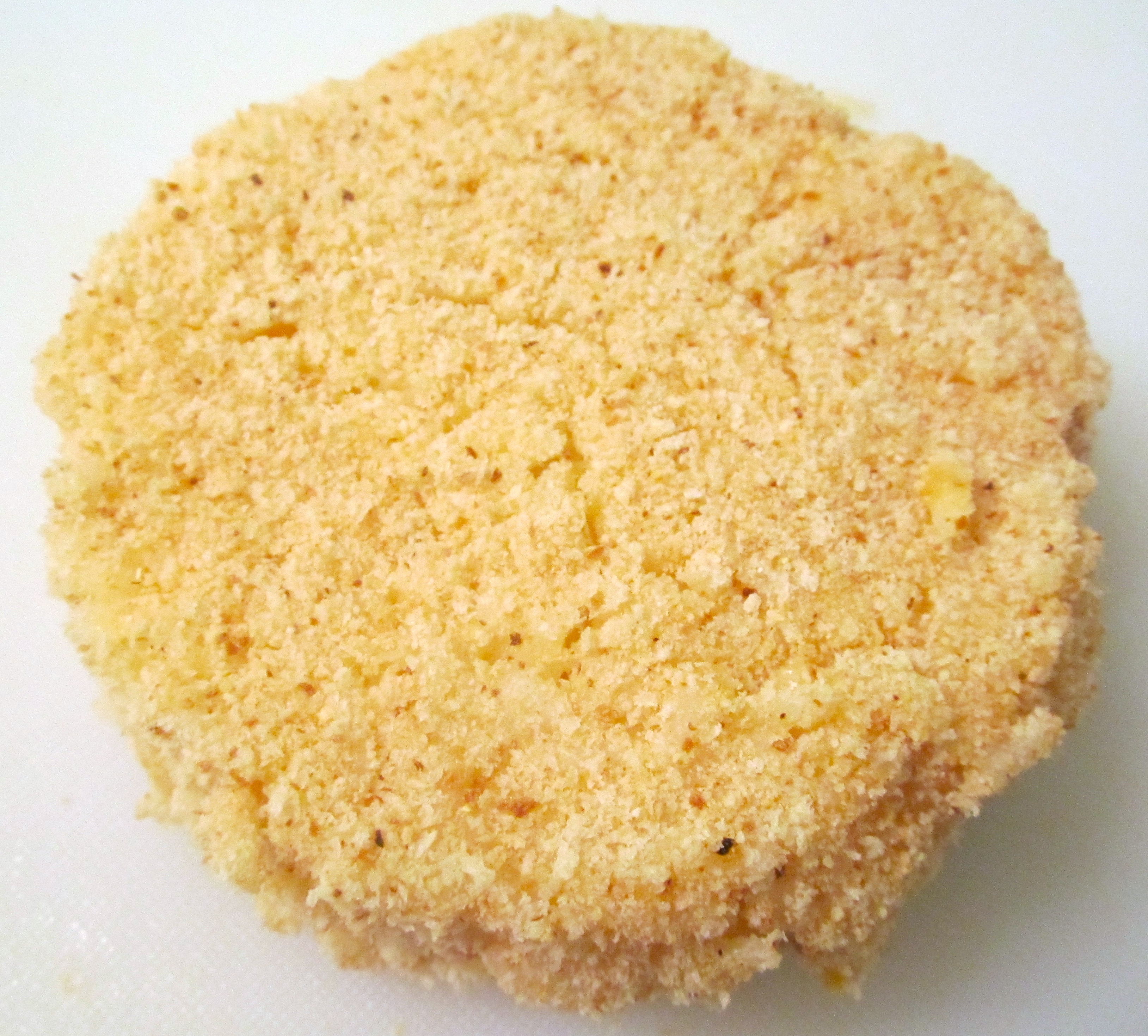
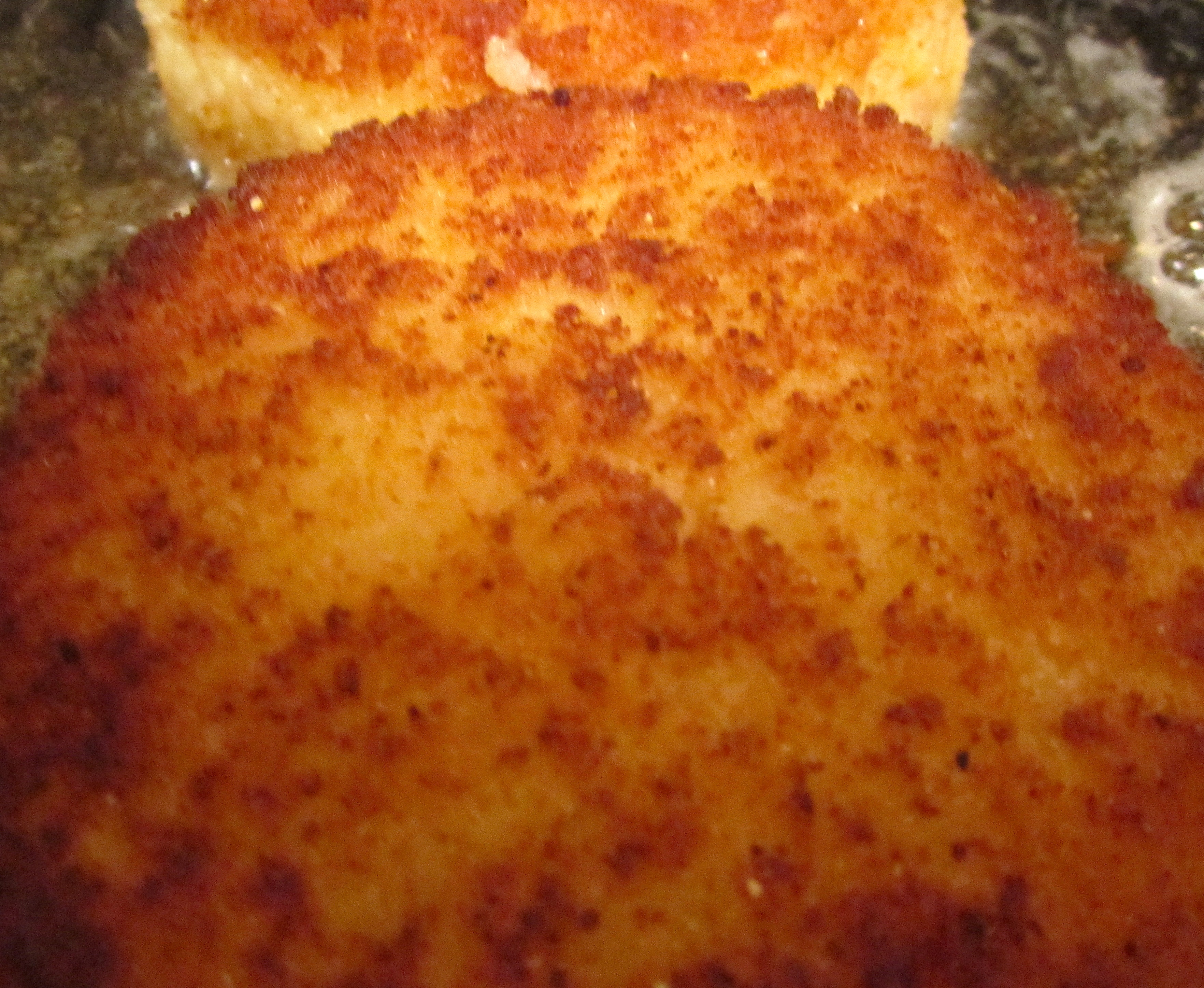
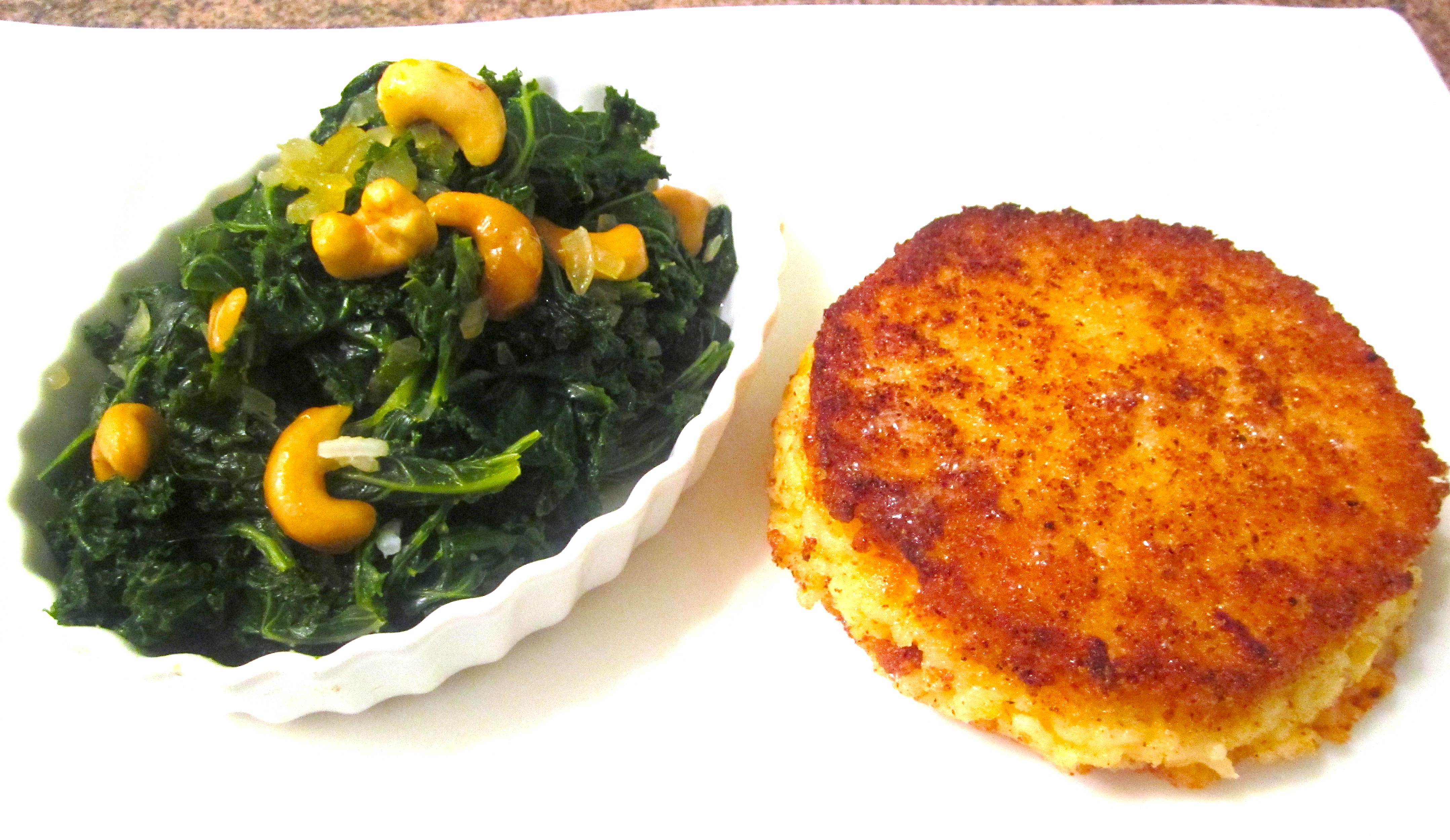
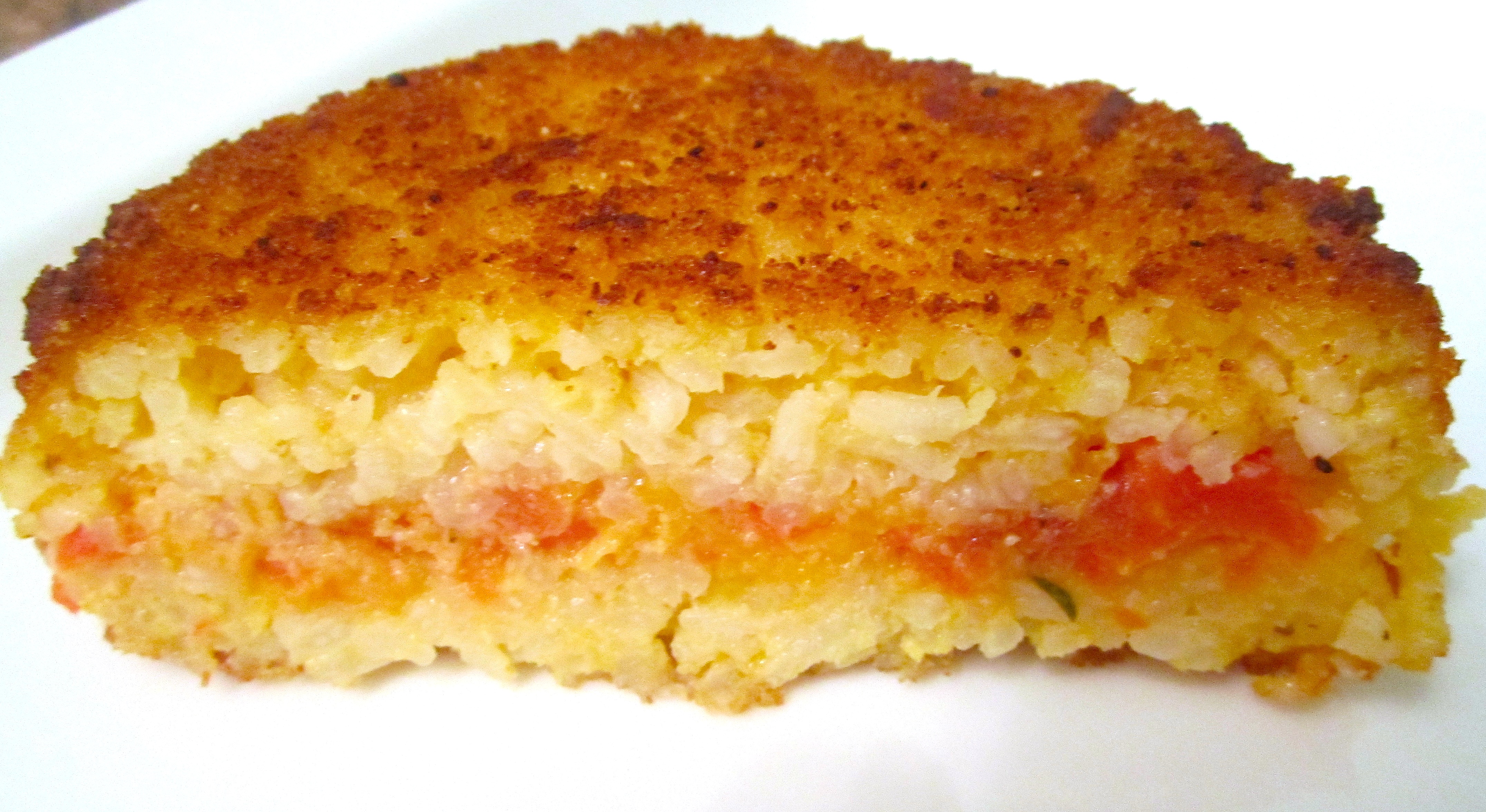
” Rice, Tomato & Cheddar Burger “

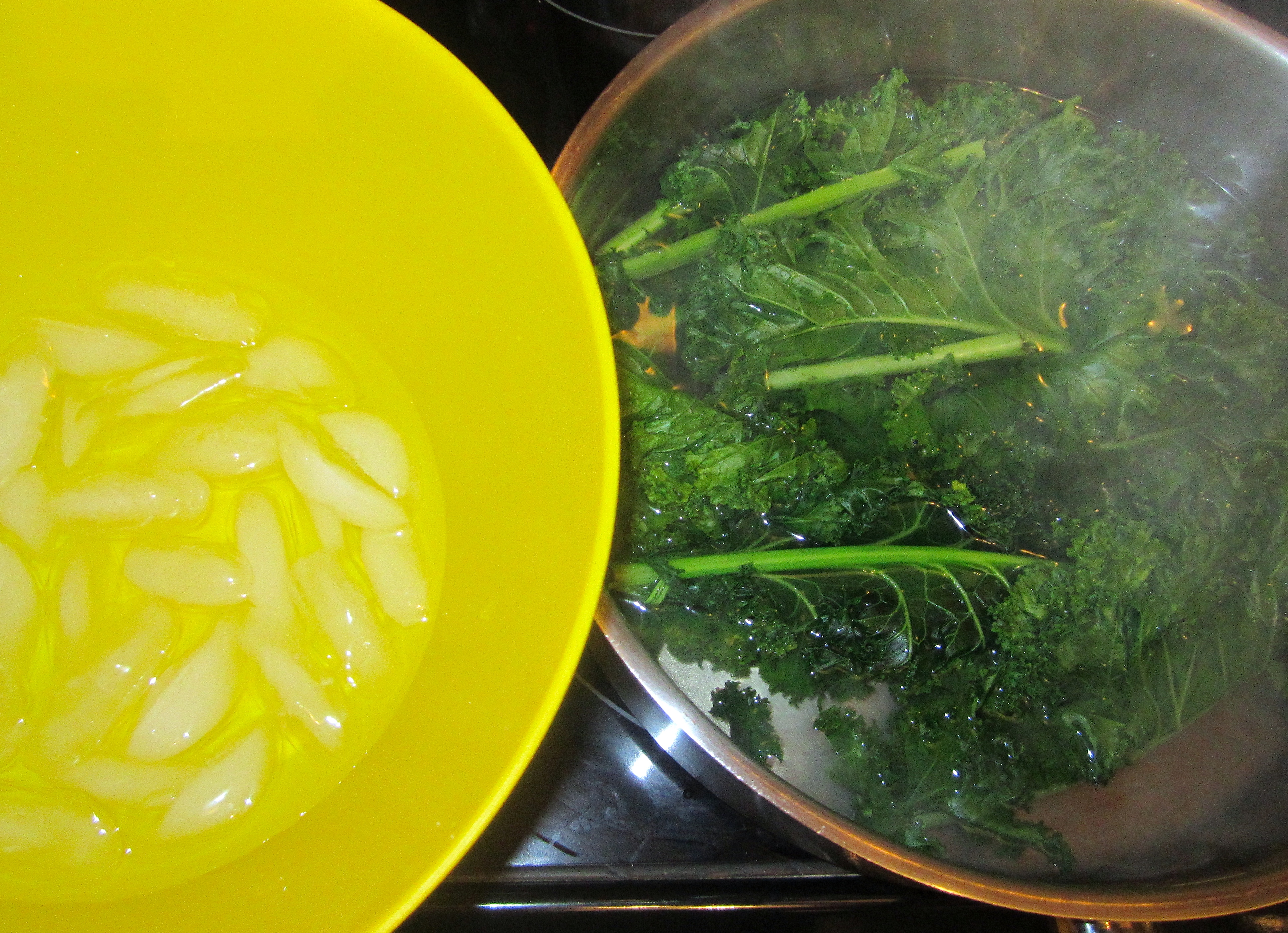
Tonights “healthy ? ” dinner, accompanied by sauteed kale with cashew nuts.
I hope this healthy stuff makes me live longer for a while ?      🙂
Bon Appetit ! Life is Good !

” Why are chefs so poorly compensated? “

Wow folks, this discussion is really heating up !

Arno Wilson says :

Hi Patrick, maybe I come across a bit severe. But this is my feeling. Cooking food throughout history has been a low level activity and whilst everybody since we can tell has always enjoyed a “good feed” it remains a fact that the kitchen has been relegated “out the back” downstairs” or otherwise “out of sight”. As much as people these modern times try to glorify cooking it remains an act of applying heat to dead things – usually animals or other creatures. It is the art of transforming dead animal flesh and in some cases organs into something else that appeals to the modern sense of beauty.
I am a chef myself and have worked in many different arenas of food production. I have been Executive chef, Head chef, and all other positions in Australian kitchens. I have acted as a restaurant consultant and am versed in management techniques and financial aspects. In the course of my work I see many chefs I now run a chefs agency finding work for other chefs. Many chefs are pretty clueless and some are downright dumb. A smattering are excellent and could be successful in any occupation. A small number are outstanding individuals with admirable skills and ability and intelligence. I am sorry but the average run of the mill chef that crosses my radar is more commonly described in less flattering terms.
If you have any specific questions I would be happy to answer them.

Follow / participate in  the discussion  Here: